Is Your Yard Grading Secretly Destroying Your Foundation? Essential Tips for Protecting Your Home
Understanding the Importance of Proper Yard Grading
Your yard’s grading—the slope of the ground around your home—plays a vital role in directing water away from your foundation. When grading is incorrect, water can pool against your foundation walls, seeping into cracks and causing long-term damage. Recognizing and correcting grading issues early can save you thousands in repairs and prevent basement flooding.
How to Diagnose Negative Grading
Negative grading occurs when the ground slopes toward your house instead of away from it. Here are some simple checks to determine if your yard is negatively graded:
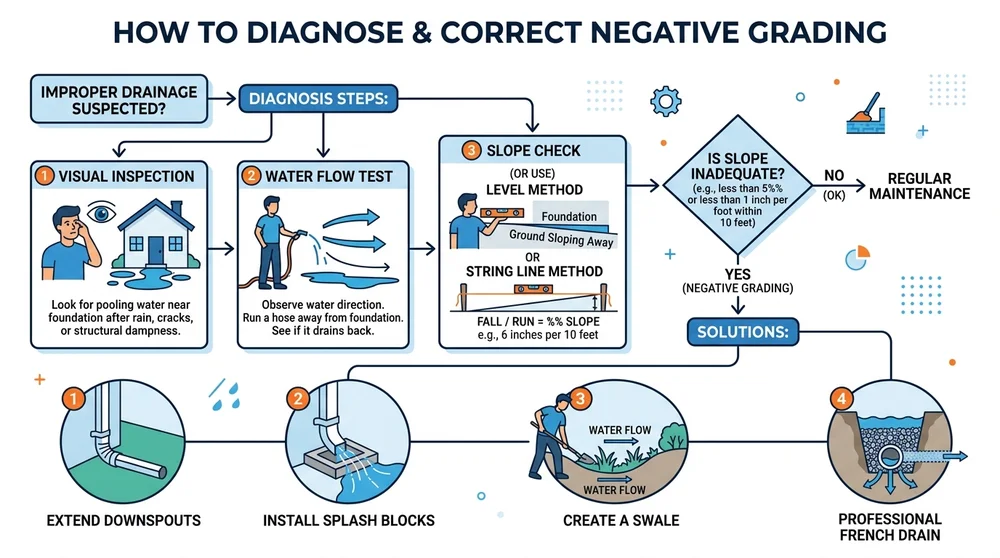
- Visual Inspection: Stand at the edge of your yard and observe the slope. The ground should gently slope away from your home at least 6 inches over the first 10 feet.
- Water Flow Test: During or after a rainstorm, watch how water moves around your property. If water pools near your foundation or flows toward the house, grading may be problematic.
- Use a Level or a String Line: Place a long level or string line along the perimeter of your foundation to check the slope. The ground should be higher at least 6 inches at the foundation’s edge and sloping away.
The Role of Downspouts and Surface Water Management
Properly directing roof runoff is one of the simplest ways to prevent foundation issues. Here’s how to optimize your surface water management:
- Extend Downspouts: Use downspout extensions to carry water at least 3 to 4 feet away from your foundation. This prevents water from pooling near your basement walls.
- Install Splash Blocks or Drainage Pipes: These help disperse water more evenly and prevent erosion around your foundation.
- Create a Swale: A shallow ditch or berm can redirect surface water away from your home, especially in areas prone to pooling.
When to Consider Professional French Drains
While simple modifications can resolve many grading issues, some situations require more advanced solutions like French drains. Consider installing a French drain if:
- You experience persistent water pooling or basement flooding despite surface water management.
- Your yard has poor natural drainage or compacted soil that prevents water from flowing away.
- You notice cracks in your foundation or signs of water damage.
What Is a French Drain?
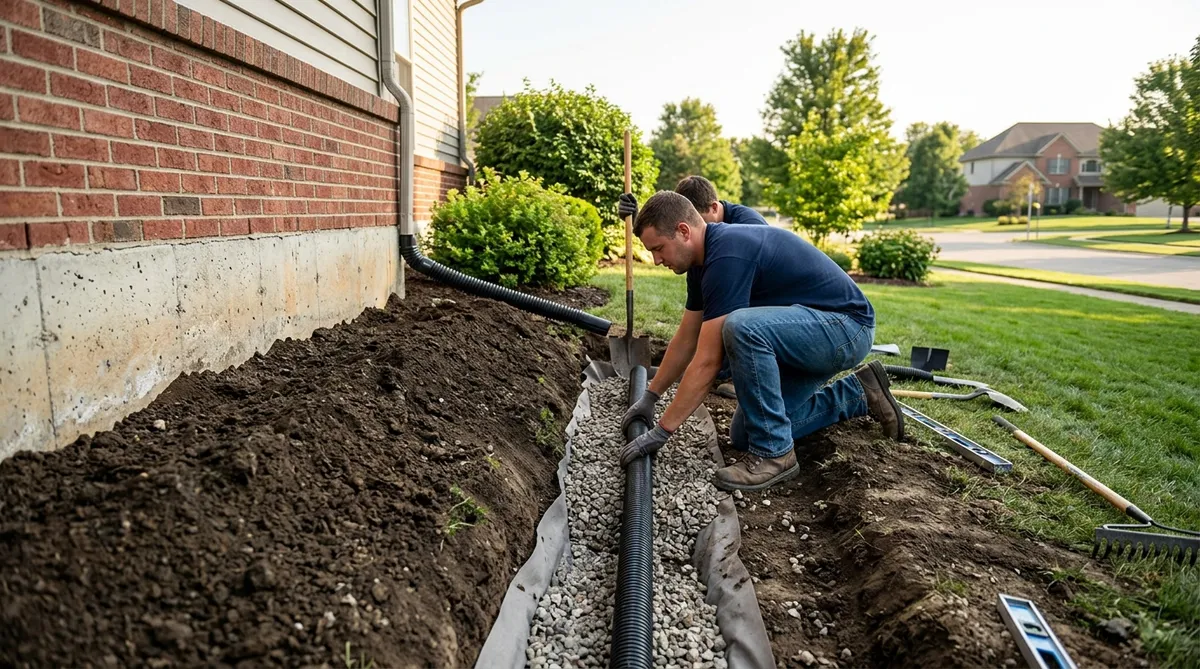
A French drain is a trench filled with gravel and a perforated pipe that redirects surface and groundwater away from your foundation. It’s an effective way to manage heavy or persistent water flow.
Professional Installation Tips
- Proper Slope: The drain should slope at least 1% (1 foot of drop per 100 feet of length) to ensure effective drainage.
- Strategic Placement: Install the drain where water tends to collect or flow toward your foundation.
- Regular Maintenance: Keep the gravel and pipe clear of debris to maintain proper function.
Final Thoughts
Water is the biggest threat to your home’s foundation, but with proactive grading and drainage strategies, you can significantly reduce this risk. Regularly inspect your yard’s slope, extend downspouts, and consider professional drainage solutions when necessary. Taking these steps now can protect your home’s structural integrity for years to come.
Remember, when in doubt, consulting a licensed contractor can help you develop a tailored plan to safeguard your foundation and keep your basement dry. Proper water management isn’t just about keeping your yard looking good—it’s about preserving the long-term health of your home.