Air Duct Cleaning: Essential Health Benefit or an Elaborate Home Scam?
Air Duct Cleaning: What Homeowners Need to Know
In the world of home maintenance, few services spark as much debate as air duct cleaning. Every day, homeowners are bombarded with coupon fliers and aggressive social media ads claiming that duct cleaning can dramatically improve indoor air quality, reduce allergies, and even boost energy efficiency. But is this service truly a health necessity, or is it just another home improvement scam?
Understanding the facts behind air duct cleaning can help you make informed decisions, avoid unnecessary expenses, and ensure your home remains a healthy, safe environment.
When Is Air Duct Cleaning Actually Necessary?
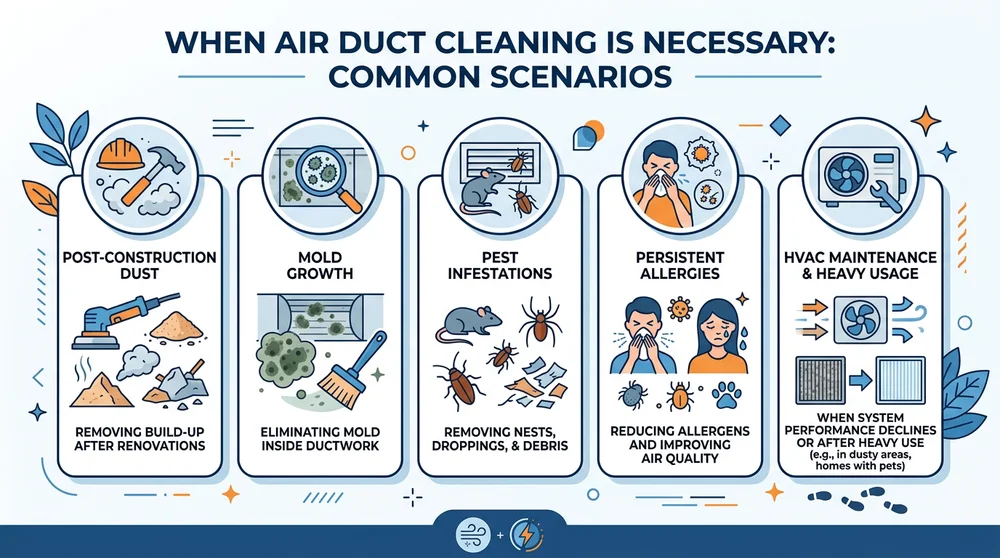
While duct cleaning isn’t something you need to do every year, there are specific situations where it becomes essential. Recognizing these scenarios can save you money and prevent health issues.
1. Post-Construction or Renovation
Renovations often generate a significant amount of dust, debris, and airborne particles that can settle into your ductwork. If you’ve recently completed a major remodel, especially involving drywall, insulation, or sanding, a thorough duct cleaning can help remove residual dust that could circulate through your home.
2. Signs of Mold Growth
Mold in your ductwork is a serious health concern, especially for allergy sufferers and those with respiratory issues. If you notice a musty smell, visible mold, or if your home has experienced water damage, professional duct cleaning combined with mold remediation is advisable.
3. Pest Infestations
Rodents, insects, or other pests that have taken up residence in your ducts can introduce bacteria, allergens, and unpleasant odors. In such cases, cleaning and sealing the ducts are crucial steps.
4. Persistent Dust and Allergies
If your home feels dusty despite regular cleaning, or if family members experience unexplained allergy symptoms, duct cleaning might help improve indoor air quality.
5. HVAC System Maintenance
Routine maintenance of your HVAC system, including replacing filters and inspecting components, can be complemented with duct cleaning to ensure optimal performance.
How to Spot Fraudulent Duct Cleaning Operators
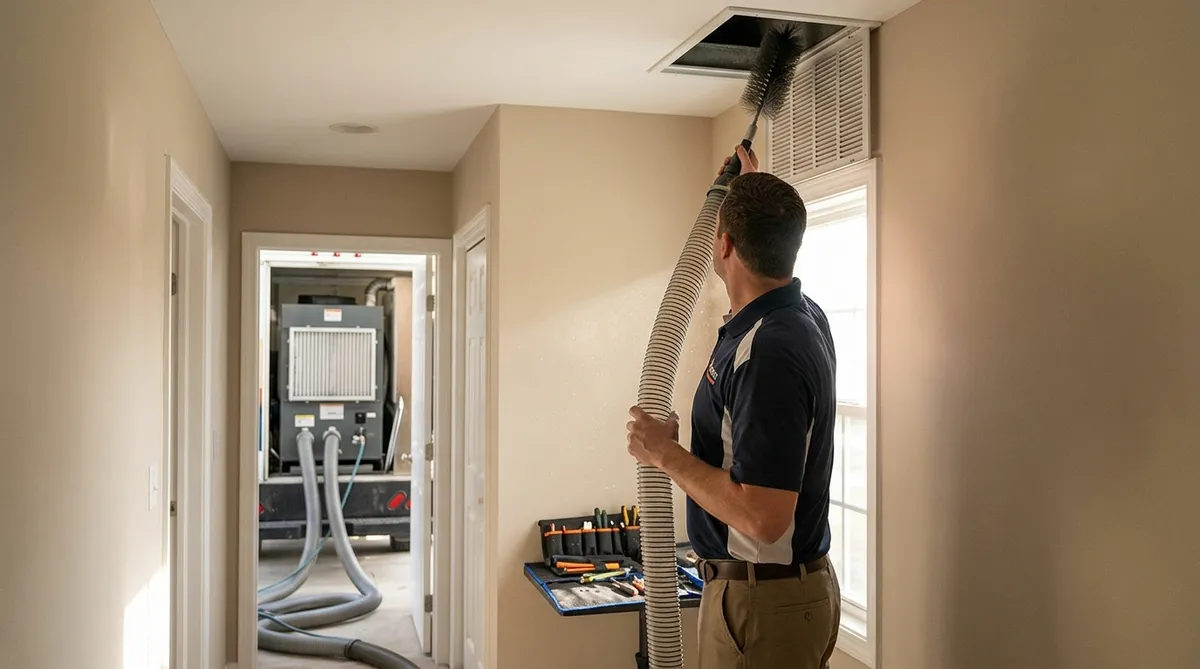
Not all duct cleaning services are created equal. Unfortunately, the industry has its share of unscrupulous operators who offer quick, superficial cleanings that do little to improve air quality—and often charge exorbitant prices.
1. Beware of the “Blow-and-Go” Tactics
Some companies advertise extremely low prices but perform minimal cleaning, simply blowing air through the ducts without removing debris or mold. Ask for detailed explanations of their cleaning process and avoid those who refuse to provide specifics.
2. Check Credentials and References
Reputable duct cleaners should be licensed, insured, and have positive reviews. Don’t hesitate to ask for references or proof of certification from organizations like NADCA (National Air Duct Cleaners Association).
3. Be Wary of High-Pressure Sales Tactics
If a company pressures you into signing up for additional services or claims that duct cleaning is urgently necessary without evidence, consider shopping around. Legitimate professionals will provide honest assessments.
4. Avoid Unnecessary Add-Ons
Some operators try to upsell services like sanitizing or chemical treatments that aren’t always necessary. While these can be beneficial in specific cases, they should be recommended based on your home’s actual needs.
Practical Tips for Homeowners
- Schedule regular filter changes: Using high-quality filters and replacing them every 1-3 months can significantly improve indoor air quality.
- Maintain your HVAC system: Regular inspections and tune-ups can prevent issues that might require duct cleaning.
- Keep your home dry: Address leaks and water problems promptly to prevent mold growth.
- Be cautious with deals that seem too good to be true: Always research and verify the credentials of any duct cleaning service.
Final Thoughts
Air duct cleaning can be a valuable service in specific circumstances—such as after renovations, mold issues, or pest infestations—but it’s not a routine maintenance task for most homeowners. By understanding when it’s necessary and how to spot reputable professionals, you can protect your home’s indoor air quality without falling prey to scams.
Remember, the key to a healthy home isn’t just about cleaning ducts; it’s about maintaining a comprehensive approach to indoor air quality, including proper ventilation, regular filter changes, and addressing moisture issues. Stay informed, ask questions, and trust your instincts when choosing home services—your health and wallet will thank you.