Is Your Bathroom Exhaust Fan Doing Its Job? Humidity, Mold, and the Ventilation Most Homes Get Wrong
Is Your Bathroom Exhaust Fan Doing Its Job? Humidity, Mold, and the Ventilation Most Homes Get Wrong
Bathrooms are one of the most humid areas in any home, and without proper ventilation, that moisture can lead to serious problems like mold growth, peeling paint, and even structural damage. Many homeowners assume that simply installing an exhaust fan is enough, but the truth is, a fan that isn’t functioning correctly or isn’t properly maintained can do more harm than good.
In this guide, we’ll explore how to determine if your bathroom exhaust fan is working as it should, common mistakes that undermine its effectiveness, and simple steps to optimize your bathroom ventilation.
Why Proper Bathroom Ventilation Matters
Humidity levels above 60% create the perfect environment for mold and mildew to thrive. Not only do these fungi cause health issues like allergies and respiratory problems, but they can also damage your home’s surfaces and finishes.
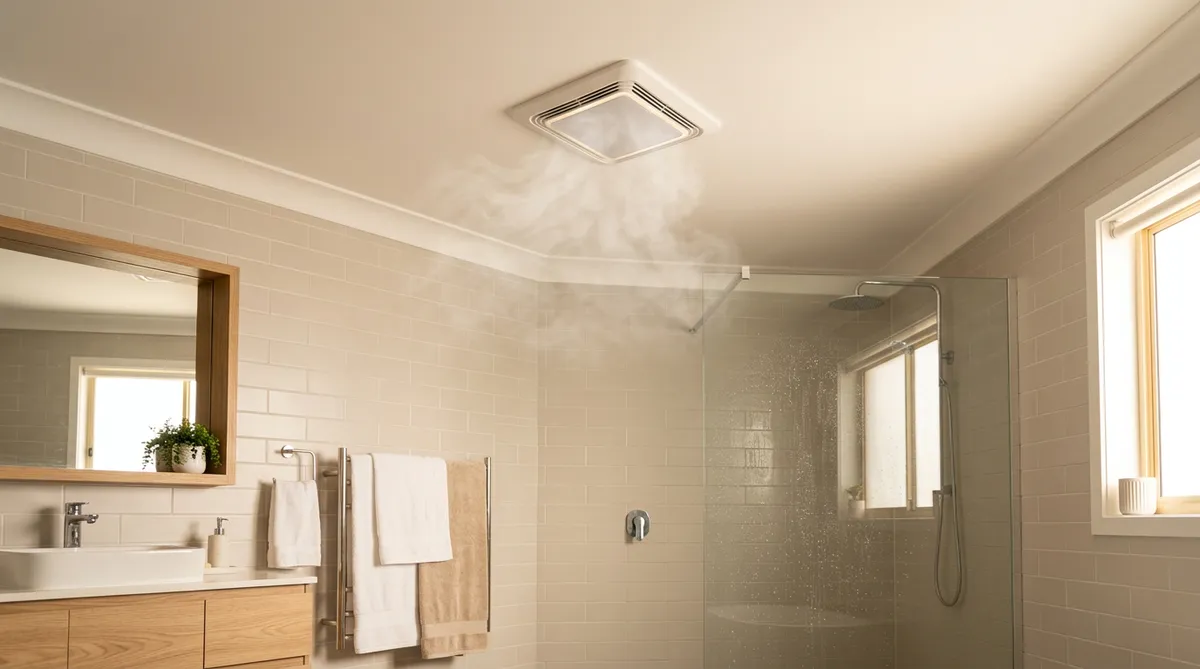
A good exhaust fan helps remove excess moisture, odors, and airborne pollutants, maintaining a healthier and more comfortable bathroom environment. However, many homeowners overlook key aspects of ventilation, leading to persistent issues.
Signs Your Bathroom Exhaust Fan Isn’t Doing Its Job
1. Persistent Humidity and Condensation
If you notice foggy mirrors, damp towels, or water spots on walls and ceilings, your fan may not be removing enough moisture.
2. Visible Mold and Mildew
Mold growth in corners, grout lines, or on ceilings is a clear sign that humidity levels are too high and ventilation isn’t sufficient.
3. Unusual Noise or No Noise at All
A fan that’s loud, rattling, or completely silent despite the bathroom being humid could indicate a malfunction.
4. Fan Turns On but Doesn’t Vent Properly
Sometimes the fan runs, but you still feel moisture buildup. This could be due to improper installation or duct issues.
How to Test Your Bathroom Exhaust Fan
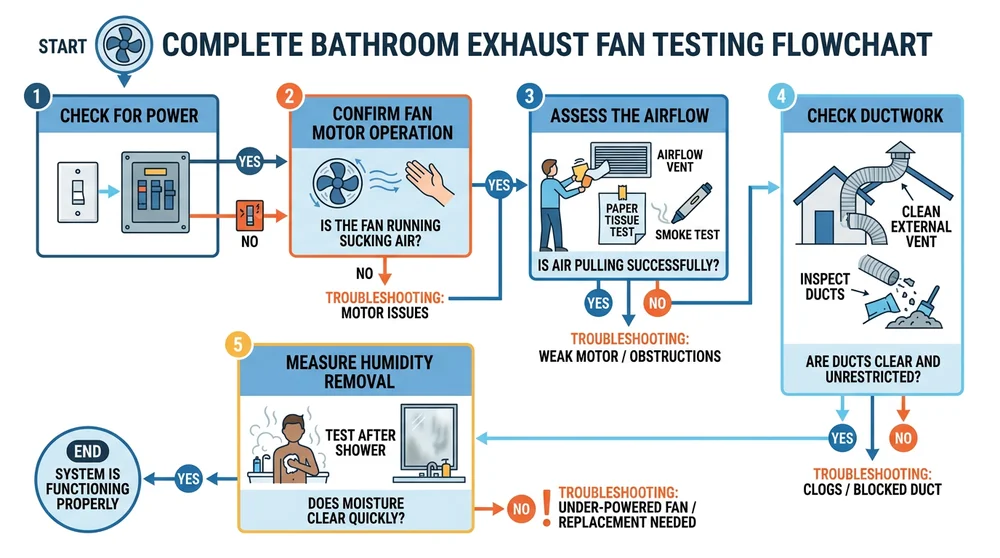
Step 1: Check the Fan’s Power
Turn on the fan and see if it’s operating smoothly without excessive noise. If it’s not turning on, check the switch, circuit breaker, or consider replacing the fan.
Step 2: Observe Airflow
Hold a tissue or a piece of toilet paper near the fan grille. If it’s being pulled toward the fan, airflow is present. If not, the fan may be weak or blocked.
Step 3: Inspect the Ductwork
Ensure the duct leading outside is clear of obstructions like lint, debris, or nests. Proper ducting allows moisture to escape efficiently.
Step 4: Measure Humidity Levels
Use a hygrometer to monitor bathroom humidity before and after running the fan. Ideally, humidity should drop below 50% within 30 minutes of ventilation.
Common Mistakes That Reduce Fan Effectiveness
1. Improper Installation
Fans installed without venting directly outside or with long, convoluted duct runs can significantly reduce airflow.
2. Using the Wrong Size Fan
A fan that’s too small for your bathroom won’t handle the moisture load. Ensure your fan’s capacity matches your bathroom size.
3. Blocking Ventilation Openings
Closing or covering vents, or installing fans without proper outside venting, traps moisture indoors.
4. Neglecting Maintenance
Dust, dirt, and grease buildup can clog the fan blades and grille, reducing efficiency. Regular cleaning is essential.
Tips for Maximizing Your Bathroom Ventilation
- Choose the Right Fan Size: Use a fan rated for at least 1 CFM (cubic foot per minute) per square foot of bathroom space.
- Ensure Proper Venting: Vent the fan directly outside, not into the attic or crawlspace.
- Use the Fan During and After Showering: Run the fan during your shower and leave it on for 20-30 minutes afterward.
- Maintain and Clean Regularly: Turn off the power, remove the grille, and clean dust and debris from the fan blades and grille.
- Consider Upgrading: If your current fan is old or ineffective, replacing it with a high-quality, appropriately sized model can make a big difference.
Final Thoughts
A well-functioning bathroom exhaust fan is a crucial line of defense against excess humidity, mold, and structural damage. By understanding how to test your fan, recognizing signs of failure, and following simple maintenance tips, you can ensure your bathroom remains a healthy, comfortable space.
Remember, if you’re unsure about your current ventilation setup or need professional installation or repairs, don’t hesitate to consult a licensed contractor. Proper ventilation is an investment in your home’s health and longevity.
Home tips from the pros who fix it — keep your bathroom dry, mold-free, and well-ventilated for years to come!