Do You Need a Water Softener, a Filter, or Both? Matching the System to What's Actually in Your Water
Understanding Your Water Quality: The First Step
Before investing in any water treatment system, it's crucial to understand what's actually in your water. Many homeowners assume their water is fine or face common issues like hard water stains or strange tastes without knowing the root cause. Conducting a water test can reveal key contaminants and help you decide whether a water softener, a filter, or both are necessary.
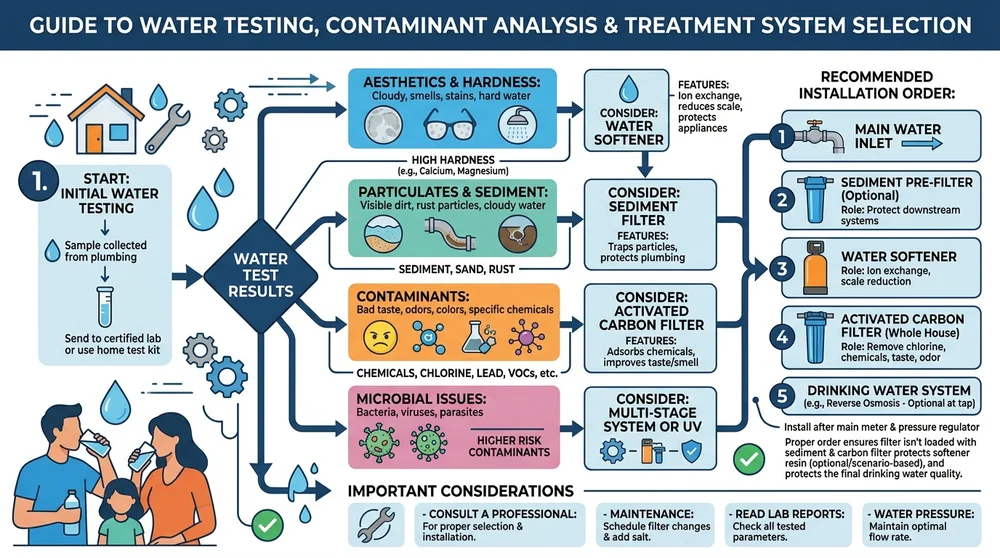
You can order a comprehensive water testing kit online or hire a professional to analyze your water. Tests typically check for:
- Hardness minerals (calcium and magnesium)
- Chlorine and chloramine
- Sediment and particulates
- Iron, manganese, or other metals
- Nitrates, nitrites, or bacteria
Once you understand what's in your water, you can tailor your treatment system accordingly.
What Does a Water Softener Do?
A water softener primarily targets hard water caused by high levels of calcium and magnesium minerals. Hard water can cause scale buildup in pipes and appliances, reduce soap effectiveness, and leave spots on dishes and fixtures.
Key benefits of a water softener:
- Prevents scale buildup in plumbing and appliances
- Extends the lifespan of water-using appliances
- Improves soap and detergent efficiency
- Leaves your skin and hair feeling softer
When to consider a water softener:
- You notice white, chalky deposits on fixtures and dishes
- You experience soap scum or reduced lathering
- You have hard water testing results indicating high mineral levels
What Does a Water Filter Do?
Water filters are designed to remove specific contaminants from your water, such as chlorine, sediment, bacteria, heavy metals, or organic compounds. Filters come in various forms—carbon filters, reverse osmosis units, UV purifiers—and target different pollutants.
Key benefits of a water filter:
- Improves taste and odor of drinking water
- Removes chlorine and chloramine
- Reduces sediment and particulates
- Eliminates certain heavy metals and organic compounds
When to consider a water filter:
- Your water has a bad taste or smell
- You need to remove specific contaminants like lead or pesticides
- Your water test shows presence of bacteria or organic pollutants
Do You Need Both? Combining Systems for Comprehensive Water Treatment
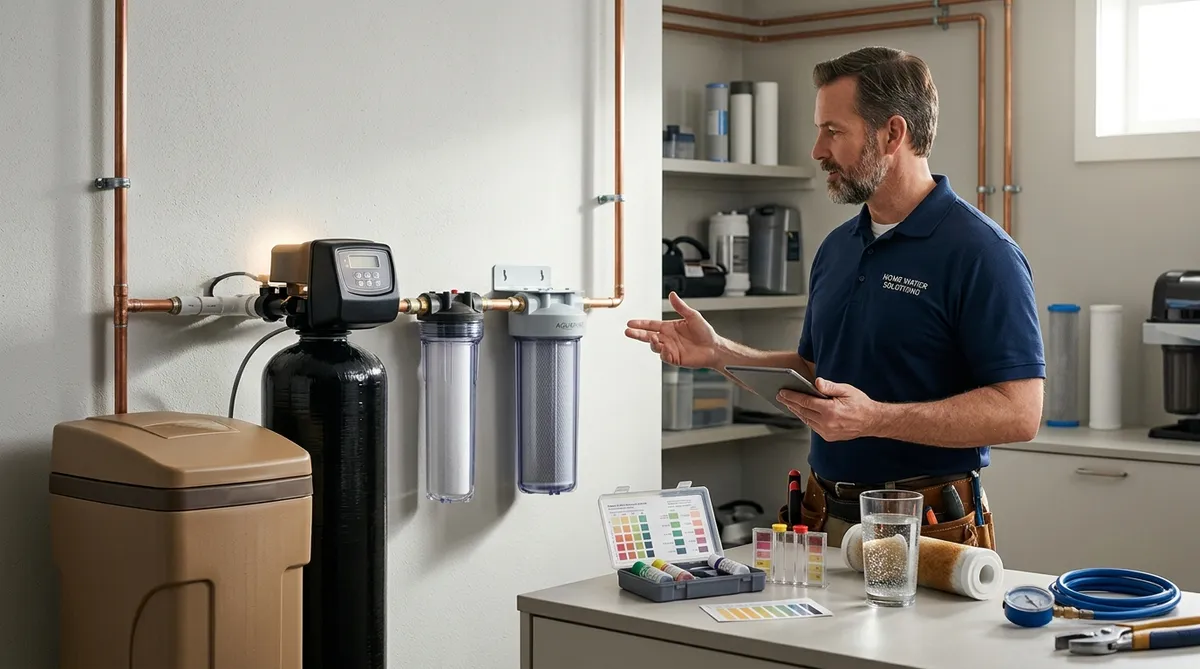
In many cases, homeowners benefit from installing both a water softener and a water filter. For example, if your water is hard and also contains chlorine or sediment, a combined approach ensures all issues are addressed.
Advantages of using both systems:
- Softens water and removes mineral buildup
- Improves overall water quality and safety
- Protects plumbing and appliances from scale and corrosion
- Ensures clean, great-tasting water for drinking and cooking
How to combine systems effectively:
- Install the water softener first, followed by the filter. This setup prevents minerals from clogging the filter and ensures the filter can effectively remove other contaminants.
- Consult a professional to design a system tailored to your water quality and household needs.
Practical Tips for Homeowners
- Always start with a comprehensive water test. Knowing exactly what's in your water is the key to choosing the right system.
- Consider your household water usage and specific needs—do you want better tasting drinking water, or are you more concerned about appliance longevity?
- Regular maintenance of your systems is essential. Replace filters as recommended and service your softener to keep it functioning efficiently.
- If you're unsure about your water quality or system options, consult a licensed water treatment professional. They can provide personalized advice and ensure proper installation.
Final Thoughts
Choosing between a water softener, a filter, or both depends on your water's specific composition. By understanding your water quality through testing, you can make an informed decision that improves your home's water safety, taste, and appliance longevity. Remember, the right system tailored to your needs can make a significant difference in your daily life—and save you money in the long run.
Homeowners who want reliable, professional advice should consider connecting with licensed water treatment specialists. They can help you select and install the perfect system for your home, ensuring peace of mind and better water quality for years to come.