Why the Cheapest Bid Isn't Always the Best Deal: Pro Insights on Avoiding Costly Mistakes
When you're planning a home renovation—whether it's a kitchen remodel, a new roof, or a simple bathroom update—getting multiple bids is a smart move. As contractors who've seen it all, we at ContractorLink.pro often hear homeowners bragging about snagging the cheapest quote. It feels like a win, right? But here's the hard truth from the pros: the cheapest bid isn't always the best deal. In fact, it can lead to a cascade of problems that cost way more in the long run.
We've worked on countless projects where a lowball offer turned into a homeowner's nightmare. Low bids frequently signal shortcuts, overlooked details, or even risks like working with uninsured crews. In this post, we'll dive into why that rock-bottom price might not be the bargain it appears to be and share practical tips to help you choose wisely. Let's break it down so you can make informed decisions for your next project.
The Allure of the Low Bid
It's human nature to love a good deal. When bids come in and one is significantly lower than the others, it's tempting to jump on it. Maybe you're on a tight budget, or you're just excited to get started. But as experienced contractors, we've learned that bids aren't apples-to-apples comparisons. A low quote often means the contractor is either inexperienced, under-resourced, or planning to nickel-and-dime you later.
Consider this: a reputable contractor factors in the full cost of materials, labor, permits, and overhead to ensure quality work. They might use premium materials or allocate time for unexpected issues. A cheap bid? It could be based on subpar alternatives or an overly optimistic timeline that ignores real-world variables like weather delays or supply chain hiccups.
Practical tip: Always ask for a detailed breakdown of the bid. If it's vague or lacks specifics, that's a red flag. Compare line items across quotes to see where the savings are coming from—spoiler: it's rarely from efficiency.
Hidden Costs of Cutting Corners
One of the biggest dangers of a cheap bid is the temptation to cut corners. We've seen it time and again: a contractor quotes low to win the job, then skimps on materials or workmanship to stay profitable. What starts as a $5,000 bathroom reno bid turns into a leaky, uneven mess that requires a full redo at double the cost.
For instance, in roofing projects, a low bidder might use thinner shingles or skip proper underlayment to save on materials. It looks fine at first, but come the next storm, you're dealing with water damage and mold. Or think about electrical work—cheaping out on wiring could lead to code violations, failed inspections, and fire hazards down the line.
Homeowners often don't realize these shortcuts until it's too late. A study by the National Association of Home Builders notes that poor workmanship is a top cause of costly repairs, and low bids are a common culprit. To avoid this, insist on seeing samples of materials and references from past clients. Ask pointed questions like, "What brand of fixtures are you using, and why?" A pro will explain their choices; a corner-cutter will dodge.
Another angle: labor quality. Cheap bids might rely on unskilled workers or subcontractors who aren't vetted. We've fixed plenty of jobs where hasty installations led to warped cabinets or uneven floors. Pro advice: Visit a current job site if possible. Seeing the team in action tells you more than any quote ever could.
When Scope Creep Turns into a Nightmare
Low bids often come with incomplete scopes of work. The contractor might quote only the bare minimum, leaving out essentials like cleanup, waste disposal, or even basic prep work. You think you're getting a full kitchen remodel for $10,000, but suddenly there are 'change orders' for things like moving a vent or reinforcing joists—add-ons that should have been anticipated.
This is scope creep in action, and it's a tactic some use to inflate the final bill. In our experience, a thorough bid includes a detailed scope document outlining every step, from demolition to final touches. If the low quote is light on details, you're setting yourself up for surprises. We've had clients come to us after a cheap remodel left their space half-finished, with walls unpainted and appliances uninstalled because those 'extras' weren't in the original bid.
To protect yourself, request a fixed-price contract with a clear scope. Use a checklist: Does it cover permits? Site protection? Post-job walkthrough? If not, negotiate additions upfront. And remember, a bid that's 20-30% below average usually means something's missing—don't ignore that gut feeling.
The Risks of Uninsured Contractors
Here's a critical one that many overlook: insurance. A cheap bid might come from a contractor without proper coverage, putting you at huge risk. Workers' comp and liability insurance protect you if someone gets hurt on your property or if damage occurs. Without it, you're personally liable for accidents, lawsuits, or repairs.
Imagine a roofer falls from your ladder—medical bills, lost wages, and legal fees could bankrupt you. Or if a plumber floods your neighbor's yard, who pays? We've seen cases where uninsured crews vanished after an incident, leaving homeowners holding the bag. Low bids often signal fly-by-night operators who cut costs by skipping insurance premiums.
Pro tip: Verify insurance certificates directly with the provider, not just the contractor's word. Look for at least $1 million in general liability and full workers' comp coverage. In states like California or New York, it's even more crucial due to strict regulations. A legitimate bid will include proof of insurance without hesitation.
Beyond immediate risks, uninsured work might void your homeowner's insurance or lead to financing issues if you're getting a loan for the project. Always prioritize safety—it's not worth the savings.
How to Evaluate Bids Like a Pro
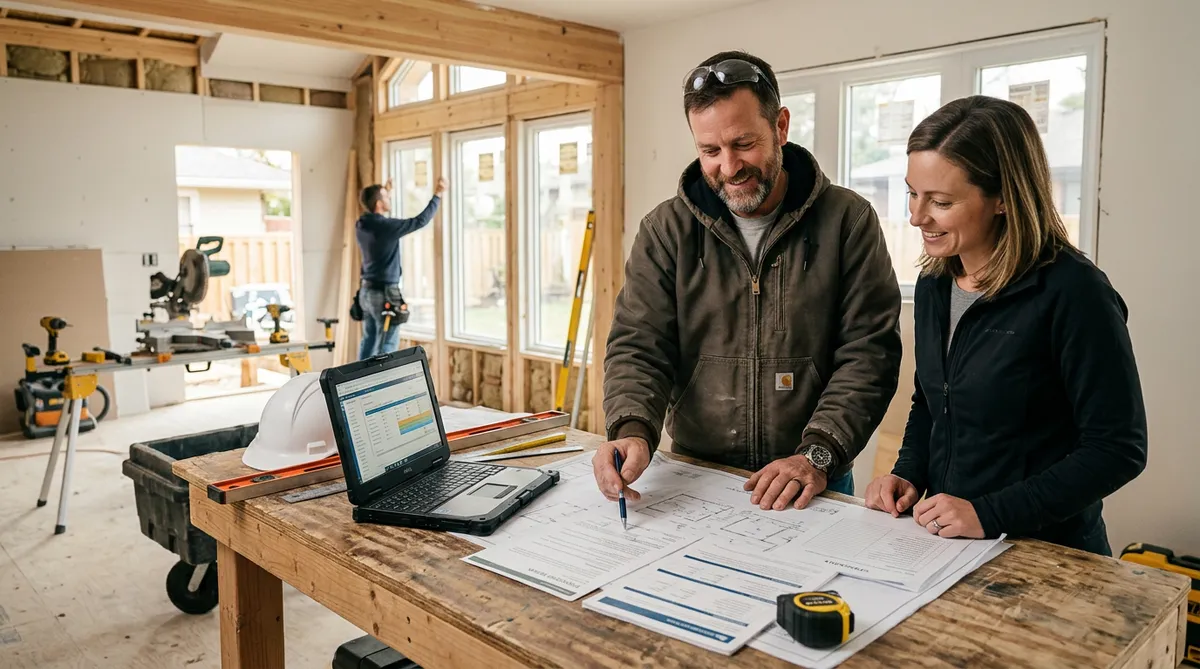
So, how do you sift through bids to find the real value? Start by getting at least three quotes from licensed, insured contractors. Use platforms like ContractorLink.pro to connect with vetted pros who follow industry standards.
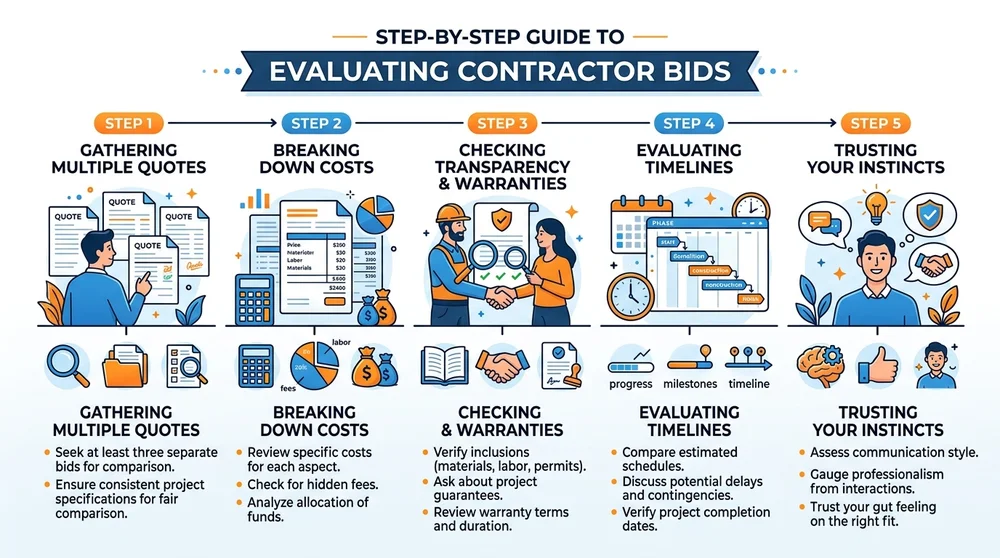
Next, focus on the total value: Is the contractor transparent? Do they offer warranties? Check reviews on sites like BBB or Angi, and ask for recent references. A slightly higher bid from a contractor with a solid track record often means fewer headaches.
Break down the numbers: Calculate cost per square foot for similar projects. For a deck build, if averages are $30-50/sq ft and one bid is $20, probe why. Adjust for your specifics—location, complexity, and finishes matter.
Consider the timeline too. Cheap bids might promise quick turnarounds that aren't realistic, leading to rushed work. A pro balances speed with quality.
Finally, trust your instincts. If a bid feels off, walk away. We've advised countless homeowners to pay a bit more upfront for peace of mind, and they always thank us later.
Real-Life Stories from the Field
Let us share a couple of tales from our network of contractors. Take Sarah in Texas, who hired the lowest bidder for a $15,000 garage conversion. The quote skipped foundation work, and midway through, structural issues surfaced—adding $8,000 and months of delays. She ended up calling us for the fix, wishing she'd chosen the $22,000 bid that included everything.
Or Mike in Florida, post-hurricane roof repair. The cheap crew had no insurance; a worker injury led to a $50,000 lawsuit that Mike settled out of pocket. The higher bidder? Fully covered, and the roof held up through the next season.
These aren't rare— they're cautionary classics. Low bids lure with promises but deliver regrets.
Wrapping It Up: Choose Value, Not Just Price
In home improvement, the cheapest bid rarely delivers the best results. It often masks cut corners, incomplete scopes, or insurance gaps that turn small savings into big expenses. As pros, we urge you to look beyond the bottom line: seek transparency, quality, and reliability.
By evaluating bids thoroughly and prioritizing licensed, insured contractors, you'll invest in a project that enhances your home without the drama. Next time you're bidding out work, remember our advice—it's the pro way to build something lasting.
(Word count: 1218)