What to Expect When You Get a Home Service Quote: Insider Tips from the Pros
Ever stared at a quote for your home repair and wondered, 'Is this fair? What's all this detail for?' As contractors who've been in the trenches for years, we've seen it all—from quick scribbles on a napkin to meticulously crafted proposals that save homeowners headaches down the line. At The Pipeline, we're all about empowering you with pro tips to navigate home improvements like a boss. Today, we're diving into what to expect when you get a home service quote. We'll cover site visits, the nitty-gritty of line-item details, and why rushing a good quote is a recipe for regret. Buckle up; this knowledge will make your next project smoother than a fresh coat of paint.
Why a Home Service Quote Matters More Than You Think
A quote isn't just a number—it's a roadmap for your project. It outlines costs, scope, timelines, and potential surprises, helping you budget wisely and avoid those sneaky add-ons that balloon expenses. According to industry stats, poorly detailed quotes lead to about 20% of disputes between homeowners and contractors. That's why pros like us insist on thorough estimates. Whether you're tackling a leaky roof, a kitchen remodel, or HVAC tune-up, a solid quote sets the stage for success.
Think of it this way: Would you buy a car without knowing the specs under the hood? Exactly. A good quote demystifies the process, letting you compare apples to apples from different contractors. And here's a pro tip: Always get at least three quotes. But don't just chase the lowest price—value quality and transparency over bargains that might bite back.
The Site Visit: Your Project's First Deep Dive
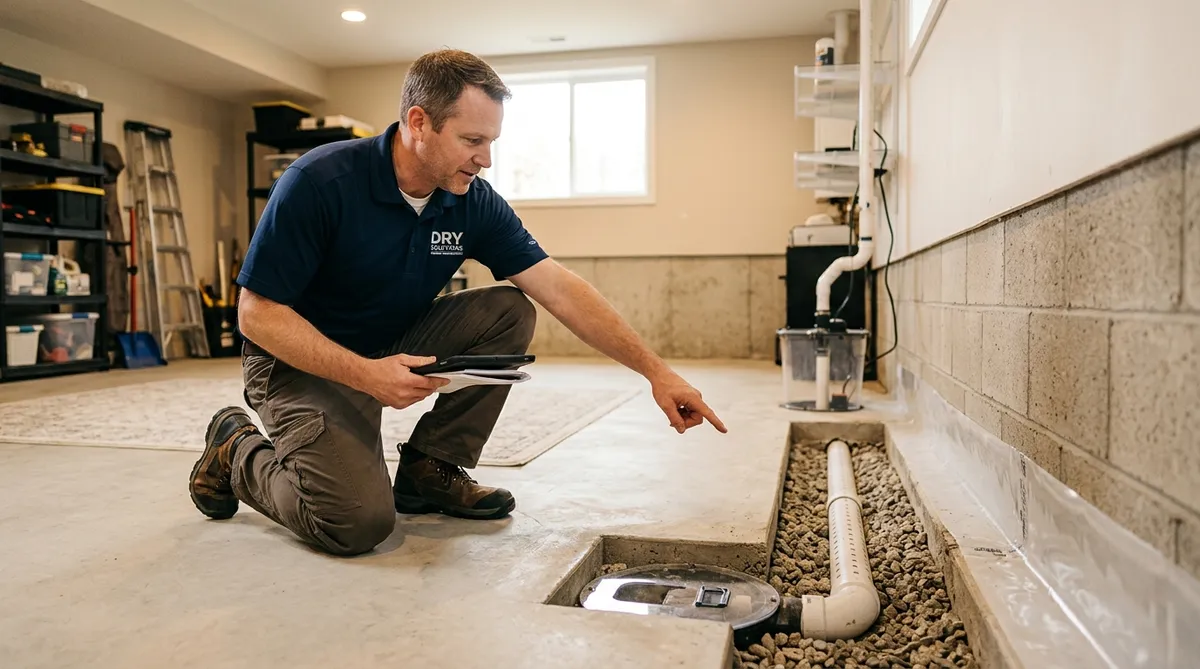
Before any quote hits your inbox, expect a site visit. This isn't a casual glance; it's where the magic (and the measurements) happen. A reputable contractor will schedule an in-person assessment to scope out your space. Why? Because photos or descriptions can't capture everything—like hidden water damage behind a wall or tricky access points in a tight attic.
During the visit, we'll walk through the area together. We'll ask questions: When did the issue start? Any recent changes to the home? This chat helps us understand your needs and spot issues you might not have noticed. For example, on a plumbing job, we might check pipe ages, water pressure, and nearby fixtures to ensure the quote covers the full picture.
Expect the visit to last 30 minutes to a couple of hours, depending on the project's scale. Bring a notepad—jot down our observations. It's also your chance to voice concerns, like wanting eco-friendly materials or a specific timeline. Pro tip: Clear the area beforehand. Move furniture or clear clutter so we can work efficiently. If you're not home, detailed photos and a video walkthrough via your phone can suffice, but nothing beats being there.
One common misconception? Some homeowners think site visits are billable. In most cases, they're free—it's our investment in building trust. If a contractor charges for this, it might signal they're not confident in landing the job. Always clarify upfront.
Decoding Line-Item Details: No Surprises Here
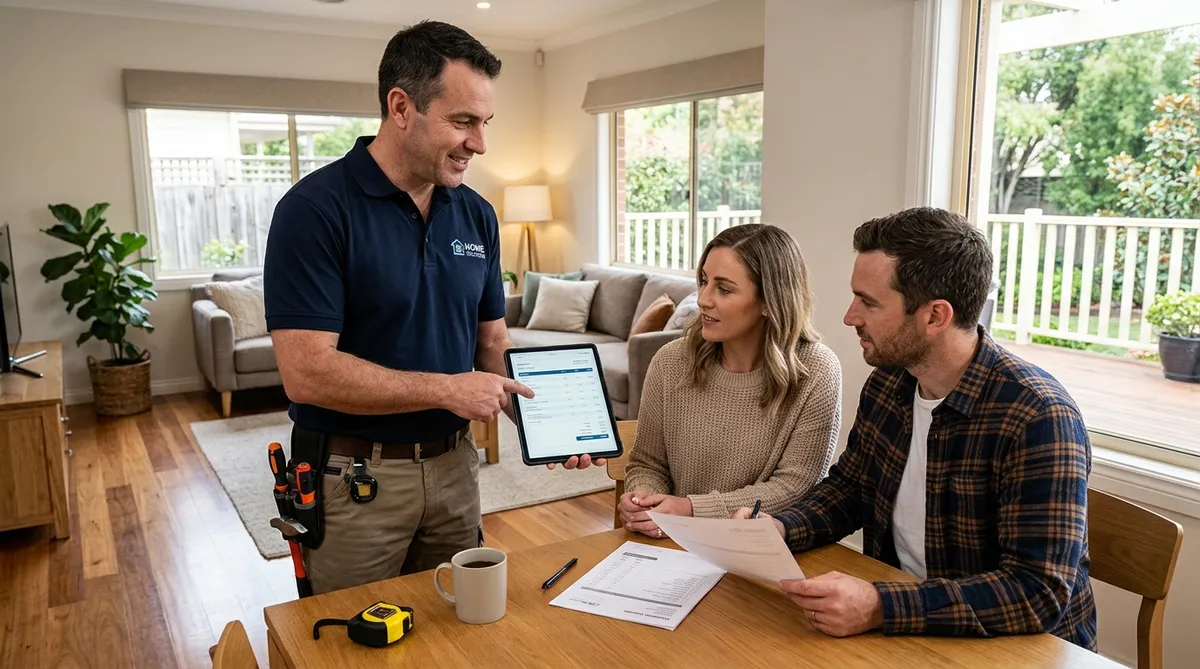
Once we've gathered the intel, the quote arrives. And it's not a single lump sum—it's broken down into line items. This transparency is gold. Each line should detail materials, labor, and any subcontractors involved. For a bathroom remodel, you might see:
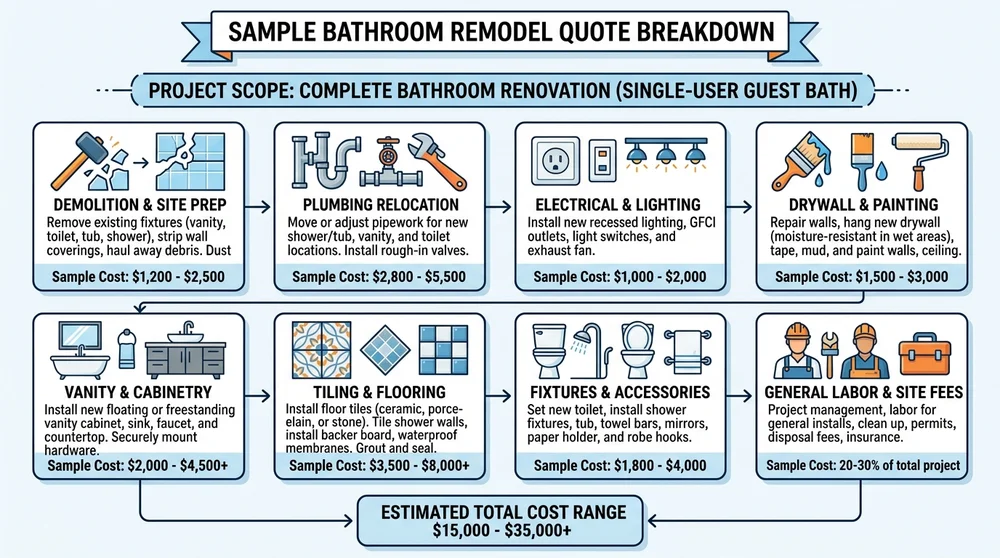
- Demolition: $500 (includes removal of old tiles and fixtures)
- Plumbing Relocation: $1,200 (pipes, fittings, and permits)
- New Vanity Installation: $800 (unit cost + labor)
- Tiling and Grout: $2,000 (materials and 20 hours of skilled work)
Why the breakdown? It lets you see where your money goes and negotiate if needed. Hidden fees? A red flag. Look for inclusions like cleanup, warranties, and disposal fees. A good quote also specifies what's not included, like unforeseen structural issues.
Materials should list brands or quality levels—e.g., 'mid-grade vinyl flooring at $3.50/sq ft'—so you know you're not getting bargain-bin stuff. Labor hours are crucial too; vague terms like 'installation' without time estimates can lead to overruns. As pros, we aim for precision: If a job needs 10 hours at $75/hour, it's right there in black and white.
Don't shy away from questions. If a line baffles you, call us. We're not hiding anything; we're educating you. This detail also helps with financing or insurance claims. Remember, a quote is a contract precursor—review it like your home depends on it (because it does).
Why Good Quotes Take Time: Patience Pays Off
In our instant-gratification world, waiting for a quote can feel eternal. But here's the truth: Rushed estimates are risky. A quality one takes 1-3 days after the site visit, sometimes longer for complex jobs like electrical rewiring.
Why the delay? We're not twiddling thumbs. First, we crunch numbers—sourcing current material prices (which fluctuate, thanks to supply chains), calculating labor based on union rates or our team's expertise, and factoring in overhead like insurance and tools. Then, we double-check for accuracy. Miss a permit fee? That could add hundreds later.
For bigger projects, we might consult specialists or run simulations for timelines. Take a deck build: We measure lumber needs, check local codes for footings, and estimate weather impacts. It's not guesswork; it's craftsmanship.
Impatient? We've had homeowners push for same-day quotes, only to regret skimpy details that led to change orders. Pro tip: If a contractor promises an instant quote without a visit, walk away. It screams 'one-size-fits-all' approach, ignoring your home's unique quirks.
That said, communication is key. We'll update you on progress. And once delivered, quotes are valid for 30-60 days—prices can shift with market volatility, so sign sooner if you're ready.
Common Pitfalls and How to Avoid Them
Not all quotes are created equal. Watch for these traps:
- Vague Language: Terms like 'miscellaneous' or 'contingencies' without caps. Demand specifics.
- No Warranties: Every quote should include guarantees—1-5 years on work, lifetime on some materials.
- Pressure Tactics: 'Sign now for a discount!' This rushes you into bad decisions.
- Uneven Comparisons: Quotes from different contractors might format differently. Normalize by focusing on total cost, inclusions, and reviews.
To vet effectively, cross-reference with online tools like HomeAdvisor or our platform, ContractorLink.pro. Check licenses, insurance, and past work. A bonded contractor protects you if things go south.
Final Thoughts: Empower Yourself with Knowledge
Getting a home service quote is your first step toward a stress-free project. From the hands-on site visit to the itemized breakdown, it's all designed to protect you and ensure top-notch results. Yes, it takes time, but that investment upfront saves fortunes later. As contractors, our goal is your satisfaction—detailed quotes are how we deliver it.
Next time you're eyeing a home upgrade, approach quotes with confidence. You've got the tools now. Happy improving!