When to Replace Your Roof: Repair or Full Replacement? A Pro's Guide
Introduction
Your roof is the unsung hero of your home, shielding you from the elements year after year. But like any hardworking component, it doesn't last forever. As a contractor with over 20 years in the home improvement game, I've seen it all—from quick patch jobs that extend a roof's life to full replacements that prevent disasters. The big question homeowners face is: when should you repair your roof, and when is it time to bite the bullet and replace it entirely?
Making the wrong call can lead to costly mistakes. A simple repair on an aging roof might seem like a bargain, but it could just delay the inevitable, leading to bigger problems down the line. On the flip side, replacing a roof that's still got some life left means unnecessary expense. In this post, we'll break it down with practical advice you can use right away. We'll cover the signs to watch for, key factors to weigh, and how to get a professional assessment. Let's dive in and keep your home protected.
Signs Your Roof Needs Attention
Before deciding on repair or replacement, you need to spot the red flags. Ignoring early warnings can turn a minor issue into a major headache. Here's what to look for during your routine roof checks—ideally twice a year, in spring and fall.
Visible Damage and Wear
- Missing or Damaged Shingles: Curling, cracking, or missing shingles are common culprits. Asphalt shingles, the most popular type, typically last 20-30 years, but harsh weather can shorten that. If you see more than a handful loose or torn, it's time to investigate.
- Granule Loss: Those gritty particles in your gutters? They're from eroding shingles. A light coating is normal after storms, but heavy buildup signals accelerated wear.
- Sagging Areas: If your roof looks like it's dipping in the middle, it could mean weakened rafters or trusses. This isn't a DIY fix—structural issues demand immediate pro attention.
Leaks and Water Damage
- Interior Clues: Water stains on ceilings or walls? Yellowish-brown spots often point to roof leaks. Check your attic for damp insulation or mold—both are signs water's infiltrating.
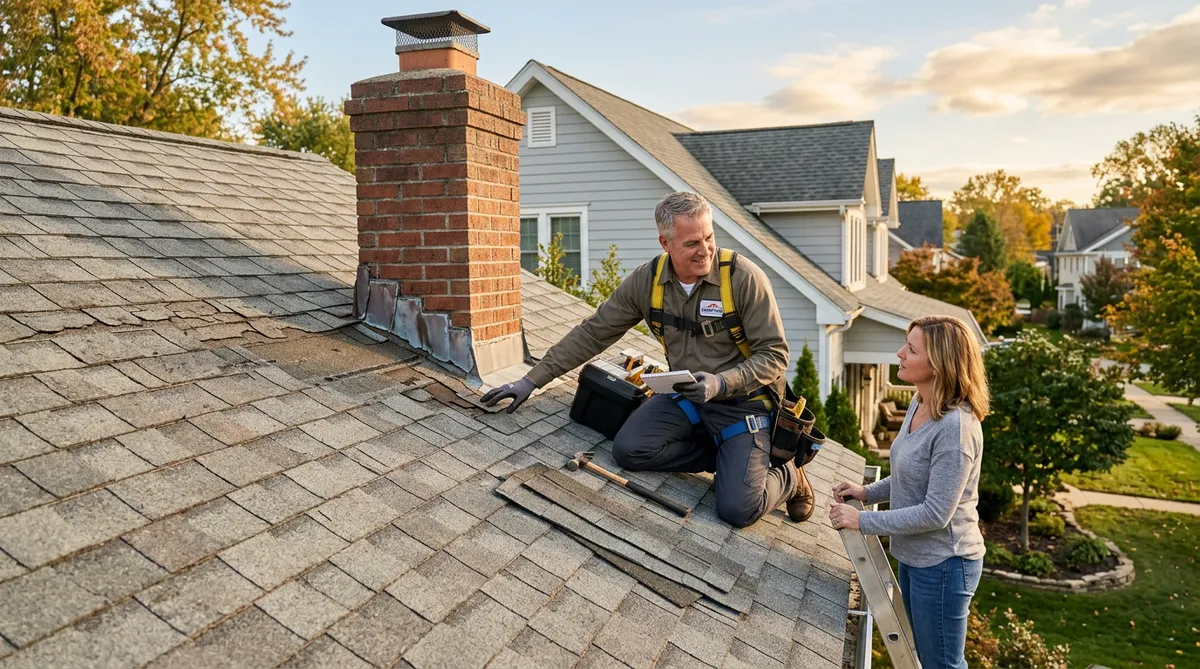
- Chimney or Vent Issues: Cracked flashing around chimneys or vents lets water sneak in. If sealant is failing, repairs might suffice, but widespread damage leans toward replacement.
Other Telltale Indicators
- Age Factor: How old is your roof? If it's pushing 25 years (or 15 for metal roofs in tough climates), even without major damage, it's nearing the end of its lifespan.
- Energy Bills Spiking: A deteriorating roof lets heat escape in winter or creep in during summer. If your utility costs are climbing without explanation, poor insulation from roof issues could be to blame.
- Granules in Gutters or Debris: Beyond loss, excessive debris might indicate failing underlayment, the protective layer beneath shingles.
Spotting these early can save thousands. Walk around your home after rain and use binoculars for a closer look—safety first, though; don't climb up if you're not comfortable.
When Repairs Are Enough
Not every roof problem spells doom. Sometimes, targeted repairs can buy you years of extra service without the full cost of replacement. As pros, we always recommend repairs first if the damage is localized and the roof's overall condition is solid. Here's when to go this route.
Minor, Isolated Damage
If your roof is under 15 years old and only a few shingles are damaged—say, from a fallen branch—a repair kit or pro patch job works wonders. Expect to spend $150-500 for small fixes. Tools like roofing cement and replacement shingles are available at any home center, but for best results, hire a licensed contractor to ensure proper sealing.
Weather-Related Fixes
Storms happen. After hail or high winds, inspect for dents or lifted edges. Sealing cracks or re-nailing loose shingles can restore integrity. For flat roofs, common in modern homes, patching blistering or pooling water areas with EPDM rubber coating is a smart, affordable move.
Cost-Effective Maintenance
Regular upkeep like cleaning gutters and trimming overhanging branches prevents bigger issues. If your roof has a few soft spots from minor leaks, replacing sections of the underlayment and a few rows of shingles often does the trick. We've fixed countless roofs this way, extending life by 5-10 years.
Pro Tip: Always match materials. Using the wrong shingle type can void warranties or create weak points. And remember, repairs shine on roofs with even wear—patchy fixes on an old roof are like putting a Band-Aid on a broken bone.
When It's Time for a Full Replacement
On the other hand, some signs scream 'replace me now!' Delaying can lead to interior damage, mold growth, or even compromise your home's structure. If repairs feel like whack-a-mole, it's replacement time. Let's break down the scenarios.
Extensive Damage
If more than 25% of your shingles are compromised, or you see widespread curling and buckling, repairs won't cut it. Granule loss across large areas means the protective coating is gone, exposing the roof to UV damage and leaks. In these cases, a full replacement ensures uniform protection.
Structural and Safety Concerns
Sagging decks, rotted fascia boards, or failing trusses? These go beyond surface fixes. Water damage in the attic that affects beams requires a tear-off and rebuild. Safety is key—rotted wood can collapse under snow load or during winds.
Age and Material Limitations
Roofs have finite lives: asphalt (20-30 years), metal (40-70 years), tile (50+ years), wood shakes (20-30 years). If yours is at or past its expected lifespan, even minor repairs are temporary. Energy efficiency drops too—older roofs lack modern ventilation, leading to ice dams in cold climates or heat buildup in hot ones.
Hidden Issues Uncovered
During an inspection, if we find deteriorated decking (the plywood base) or poor ventilation causing attic heat buildup, replacement is often the only long-term solution. In humid areas, ignoring this can breed pests or accelerate decay.
We've replaced roofs that homeowners tried to 'repair' repeatedly, only to face $20,000+ in water damage claims. Better to invest $8,000-15,000 in a new roof upfront.
Key Factors to Consider Before Deciding
Repair vs. replace isn't black and white. Weigh these elements to make an informed choice.
Cost Breakdown
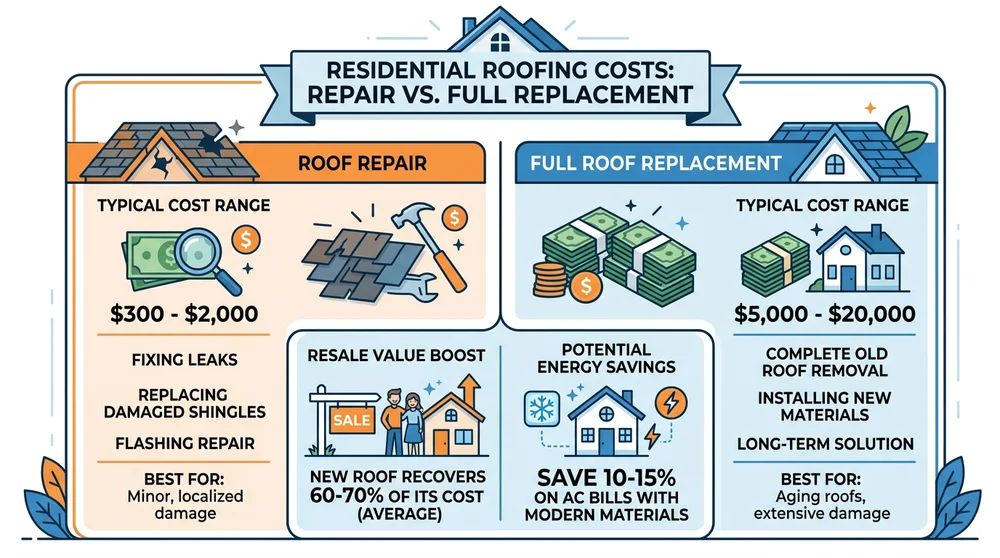
Repairs: $300-2,000 for most jobs. Replacements: $5,000-20,000 depending on size, pitch, and materials. Factor in your home's value— a new roof can boost resale by 60-70% of its cost, per the National Association of Realtors.
Roof Type and Climate
Steeper pitches or complex designs (like valleys) cost more to replace but may need it sooner in rainy areas. In sunny Southwest states, UV-resistant materials like concrete tiles hold up better than asphalt.
Energy and Warranty Perks
New roofs often come with 25-50 year warranties and better insulation options, like cool-roof coatings that reflect heat. If you're in a hot climate, this can slash AC bills by 10-15%.
Homeowner Goals
Planning to sell soon? A fresh roof is a top buyer draw. Staying put? Repairs might suffice if budget's tight, but calculate long-term savings.
How to Assess Your Roof Like a Pro
Don't guess—get eyes on it. Start with a self-inspection: Use a ladder for edges and eaves, check for daylight through cracks in the attic, and test granule integrity by rubbing a shingle.
But the gold standard is a professional inspection. Hire a certified roofer (look for GAF or CertainTeed certifications) for $100-300. They'll use tools like moisture meters and drones for a thorough scan without risking damage.
What to Ask: Inquire about remaining lifespan, repair estimates, and replacement ROI. Get multiple quotes—aim for 3—and check reviews on sites like Angi or BBB.
DIY Tip: Document everything with photos. This helps when filing insurance claims for storm damage, which often covers replacements if repairs exceed 50% of value.
Wrapping It Up: Make the Smart Choice for Your Home
Deciding between roof repair and replacement boils down to damage extent, age, and your home's needs. Spot early signs like leaks or granule loss to catch issues affordably. Repairs work for minor, isolated problems on younger roofs, saving you money short-term. But if damage is widespread, the roof's old, or structural woes appear, a full replacement protects your investment and peace of mind.
As contractors, we've guided hundreds of homeowners through this, and the key is acting promptly. A well-maintained roof not only prevents headaches but enhances your home's efficiency and curb appeal. Next time you notice something off, grab those binoculars or call in the pros—your roof will thank you.