What Your Garage Door Is Trying to Tell You: Reversing, Slow Response, and Grinding Noises Explained
Introduction: Listening to Your Garage Door's Signals
As homeowners, we often overlook the subtle (and not-so-subtle) cues our homes give us until something breaks down completely. Your garage door is no exception—it's a hardworking part of your home that operates multiple times a day, and when it starts acting up, it's trying to tell you something important. Whether it's reversing mid-operation, moving slower than usual, or emitting those unsettling grinding noises, these symptoms point to specific issues with components like the springs, sensors, or the opener itself.
Ignoring these signs can lead to bigger problems, like a door that won't open at all or, worse, safety hazards that could injure you or damage your vehicle. In this post, we'll decode these common garage door complaints with insights from seasoned contractors. We'll cover what each issue means, why it happens, and practical steps you can take to diagnose and potentially fix it. Remember, while some troubleshooting is DIY-friendly, garage doors involve heavy parts under tension—always prioritize safety and call a professional if you're unsure.
Why Garage Doors Reverse Unexpectedly: Sensor and Obstruction Troubles
One of the most frustrating garage door behaviors is when it starts closing but suddenly reverses and heads back up. This safety feature is designed to prevent accidents, but frequent reversing without an obvious reason signals that something's off with your door's detection system.
The Role of Safety Sensors
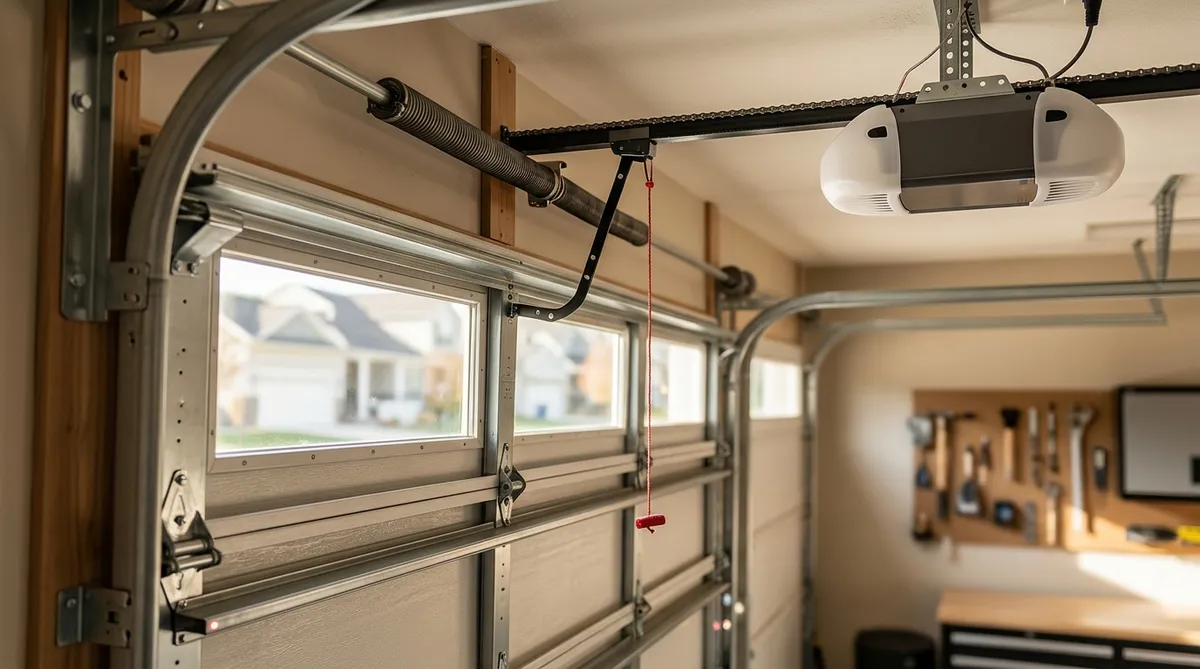
Most modern garage doors have photoelectric sensors mounted near the floor on either side of the door. These emit an invisible beam of light; if it's interrupted—even slightly—the door reverses to avoid crushing anything in its path. If your door is reversing randomly, dirty or misaligned sensors are often the culprit. Dust, spider webs, or even sunlight glare can interfere with the beam.
How to Check and Fix Sensor Issues
Start by inspecting the sensors for dirt or obstructions. Wipe them clean with a soft cloth—avoid using harsh chemicals that could damage the lenses. Next, ensure they're properly aligned: the indicator lights on each sensor should be steady (usually green or amber). If they're blinking or off, gently adjust their positions until the lights stabilize.
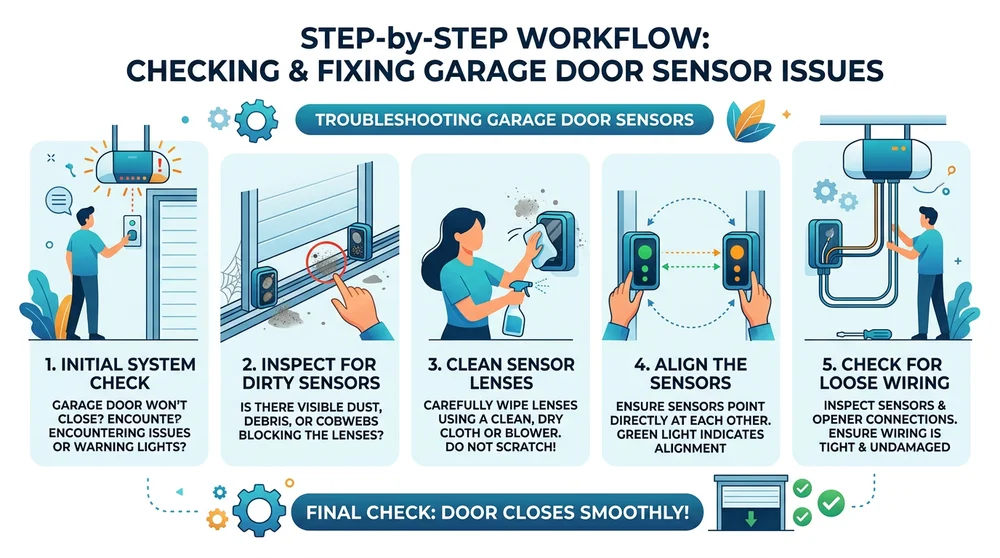
Misalignment can happen from vibrations or accidental bumps, so check the mounting brackets for looseness and tighten any screws. If the sensors seem fine but the problem persists, the wiring might be frayed or loose connections could be at play. Trace the wires from the sensors to the opener unit and look for damage. In humid environments, corrosion on the connections is common—clean with a wire brush if needed.
When It's Not the Sensors
Sometimes, reversing points to issues with the door's balance or springs. If the door feels heavy or uneven when manually lifted (it should move smoothly with about 10-20 pounds of effort), the torsion or extension springs might be weakening. Springs counterbalance the door's weight, and as they wear out over 10,000 cycles (roughly 7-10 years of average use), the door can trigger the reverse mechanism thinking there's an obstruction. Don't attempt to adjust springs yourself—they're under extreme tension and can cause serious injury. This is a job for a pro with the right tools.
By addressing sensor problems promptly, you can restore smooth operation and maintain that crucial safety feature.
Decoding Slow Response: Springs, Lubrication, and Opener Strain
If your garage door seems sluggish—taking longer to open or close than it used to—it could be straining your opener and hinting at underlying mechanical issues. A slow door isn't just inconvenient; it puts extra wear on the motor, potentially shortening its lifespan.
Worn-Out Springs as the Main Suspect
The most common cause of a slow garage door is fatigued springs. As mentioned, springs bear the brunt of the door's weight. When they lose tension, the opener has to work harder to lift the door, resulting in slower movement and sometimes humming or straining sounds from the motor. Extension springs run along the sides of the door tracks, while torsion springs are mounted above the door—both can stretch or break over time, especially in older doors or those in extreme climates.
To test for spring issues, disconnect the opener (pull the release cord) and manually operate the door. It should glide up and down effortlessly, staying in place when halfway open. If it's jerky, sags, or requires excessive force, the springs need professional replacement. Attempting DIY spring adjustments is dangerous and often ineffective without specialized winding bars.
Other Factors Contributing to Sluggishness
Lubrication—or lack thereof—plays a big role too. Garage doors have numerous moving parts: rollers, hinges, tracks, and pulleys that all need regular greasing to reduce friction. Without it, the door binds and moves slowly. Use a lithium-based grease or silicone spray designed for garage doors; apply it sparingly to avoid attracting dirt. Focus on the rollers (inside the tracks), hinges, and the spring assembly.
Tracks themselves can cause drag if they're bent, dented, or filled with debris. Inspect the vertical and horizontal tracks for obstructions like leaves or pebbles, and straighten minor bends with a rubber mallet. If tracks are significantly damaged, replacement might be necessary.
Finally, consider the opener's health. An aging motor might not have the torque to handle even a balanced door efficiently. Check the opener's manual for any diagnostic lights or error codes that indicate overload. If your opener is over 10-15 years old, it might be time for an upgrade to a more efficient belt-drive or screw-drive model, which are quieter and faster than chain drives.
Regular monthly maintenance, like lubricating and balancing checks, can prevent slow response from escalating.
Grinding Noises: Gears, Tracks, and Opener Wear
That ominous grinding sound when your garage door operates is like nails on a chalkboard for any homeowner—and it's your door's way of yelling for help. Grinding typically indicates metal-on-metal contact where there shouldn't be any, pointing to problems with the opener's internals, tracks, or lack of lubrication.
Opener Gears Taking a Beating
If the noise comes from the opener unit mounted on the ceiling, worn gears are likely the issue. Chain-drive openers are particularly prone to this, as the chain can slip or the sprocket gears grind when they're stripped. Over time, especially with heavy use or if the door is unbalanced, the gears wear down, causing that telltale grind.
Listen closely: if the grinding happens during the up or down cycle from the motor area, it's probably the gears. Unfortunately, opener gear replacement often requires disassembling the unit, which is best left to pros unless you're mechanically inclined. In many cases, the cost of repair approaches that of a new opener, so contractors often recommend upgrading.
Track and Roller Friction
Grinding from the door itself usually means issues with the tracks or rollers. Rollers can flatten or crack after years of service, causing them to scrape against the tracks. Nylon rollers are quieter and last longer than steel ones, but even they wear out. Inspect the rollers for wear—replace them if they're cracked or not spinning freely.
Tracks might be the source if they're rusty, bent, or misaligned. Rust buildup in humid areas can cause grinding as the rollers rub against corroded surfaces. Clean tracks with a wire brush and apply a track lubricant. For bent sections, realign with pliers or replace the affected part. Ensure the tracks are level and plumb using a level tool; even a slight tilt can cause uneven wear and noise.
**Lubrication to the Rescue (Again)**n
As with slow response, poor lubrication amplifies grinding. Metal parts rubbing without grease create friction and noise. Reapply lubricant to all contact points, but steer clear of WD-40—it's a cleaner, not a long-term lubricant, and can attract grime.
If grinding persists after these checks, it could signal loose hardware. Tighten all bolts and nuts on the door brackets, hinges, and opener mounts. Vibration from daily use loosens them, leading to clanking or grinding.
General Maintenance Tips to Keep Your Garage Door Quiet and Reliable
Prevention is key to avoiding these issues altogether. Schedule a full inspection twice a year: once in spring and once in fall. Test the door's balance, clean and lubricate all parts, and check for frayed cables or worn belts. Replace the remote batteries annually to prevent signal issues that mimic sensor problems.
Invest in weatherstripping at the bottom of the door to keep out debris and moisture, which can degrade components faster. If your door is insulated, ensure it's not adding unnecessary weight that strains the system.
When to Call in the Pros
While basic cleaning and tightening are DIY tasks, anything involving springs, wiring, or opener internals should be handled by licensed contractors. Garage doors are under high tension, and mishandling can lead to injury or further damage. Look for pros certified by organizations like the International Door Association, and always get multiple quotes for repairs.
Wrapping Up: Heed the Warnings for a Smoother Ride
Your garage door's reversing, slow response, and grinding noises are more than annoyances—they're vital signals about the health of your springs, sensors, and opener. By staying attuned to these cues and performing routine maintenance, you can extend your door's life, enhance safety, and avoid costly breakdowns. As contractors who've seen it all, we recommend addressing issues early; a little attention now saves headaches later. Keep your home running smoothly!