Cracks in Your Drywall: Harmless Settling or a Cry for Help?
Introduction to Drywall Drama
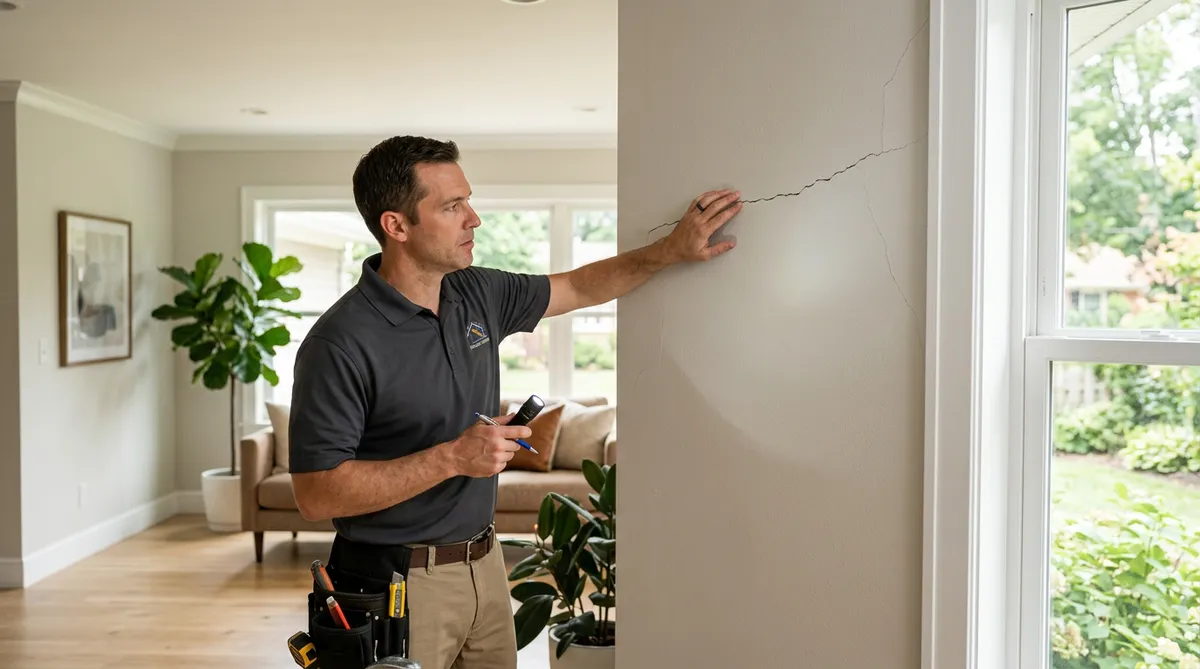
As a homeowner, spotting a crack snaking across your living room wall can send your mind racing. Is it just the house getting comfortable in its foundation, or is something more sinister at play? We've all been there—staring at those telltale lines, wondering if it's time to grab the spackle or call in the big guns. At The Pipeline, we've talked to countless contractors who've seen it all, and the good news is that most drywall cracks are harmless. But distinguishing between normal settling and structural movement is key to keeping your home safe and sound.
In this post, we'll break down what those cracks are whispering (or shouting) about your house. We'll cover the types of cracks, how to inspect them yourself, simple DIY fixes, and when it's time to bring in a pro. By the end, you'll feel empowered to tackle minor issues and spot the red flags that demand expert attention. Let's dive in and decode the drywall dialect.
Why Drywall Cracks Happen in the First Place
Drywall, or sheetrock as some call it, is essentially paper-covered gypsum board that's the backbone of your interior walls. It's flexible enough to handle minor shifts but not indestructible. Cracks form when there's movement or stress on the material, often at seams where panels meet or around corners.
The most common culprit? Settling. New homes, especially, shift as the foundation compresses under the weight of the structure. This can take years, causing hairline cracks that are more cosmetic than catastrophic. Other everyday factors include:
- Humidity and temperature changes: Expansion and contraction make walls breathe, leading to small fissures.
- Vibrations: From nearby traffic, heavy appliances, or even slamming doors.
- Poor installation: If seams weren't taped and mudded properly, cracks can appear early on.
But not all cracks are created equal. While settling might just be your home's way of sighing after a long day, structural issues—like foundation problems or water damage—can turn a tiny split into a major headache. Understanding the difference starts with knowing the types.
Harmless Settling Cracks: When to Breathe Easy
If you've lived in your home for a few years and notice fine, random lines, chances are it's settling. These cracks are your house's natural adjustment to gravity and time. Here's how to spot the benign ones:
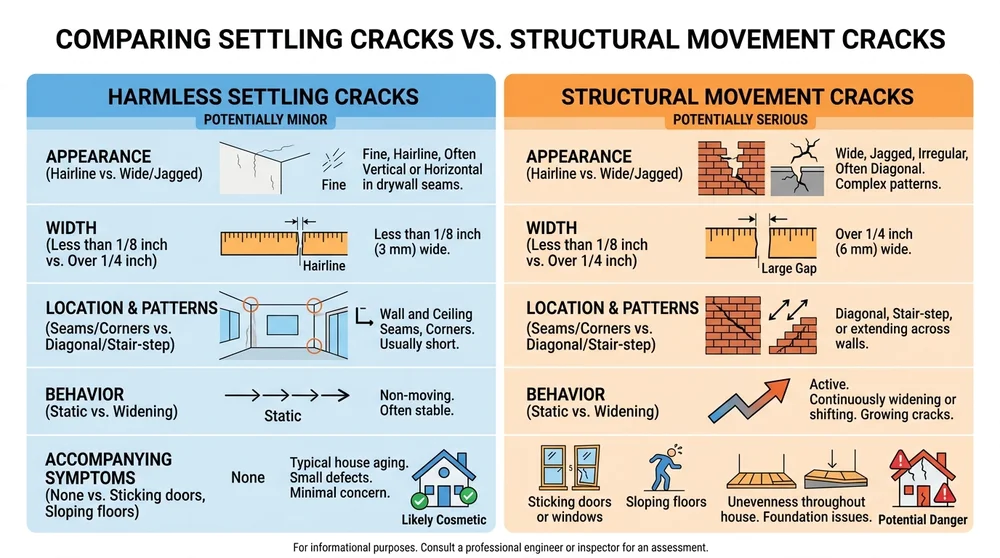
- Appearance: Thin, hairline cracks (less than 1/8 inch wide) that follow the direction of the drywall seams—usually vertical or horizontal. They often appear in corners or above doorways.
- Location: Common in newer homes (under 10 years old) or after renovations where walls were opened up.
- Behavior: They don't widen over time and might even close up slightly with humidity changes. No accompanying signs like sticking doors or uneven floors.
Contractors like Mike from our network in Texas swear by this rule: If the crack doesn't grow and your home feels solid, it's likely just settling. One client of his found a web of these in a five-year-old build—nothing a little patching couldn't fix. These cracks won't compromise your home's integrity, but ignoring them can lead to dust buildup or aesthetic woes.
Practical tip: Monitor them monthly with a pencil mark at the ends. If they don't extend beyond your marks in six months, you're in the clear.
Structural Movement Cracks: Red Flags You Can't Ignore
On the flip side, some cracks are your home's SOS signal. Structural movement happens when the foundation shifts due to soil issues, poor drainage, or even earthquakes in prone areas. These aren't just surface scratches—they indicate deeper problems that could lead to sagging walls, cracked tiles, or worse.
Key indicators include:
- Width and depth: Cracks wider than 1/4 inch, jagged, or stair-step shaped (following mortar lines in block walls bleeding through).
- Diagonal patterns: Especially at 45-degree angles from corners or windows, suggesting uneven settling.
- Accompanying symptoms: Doors that stick, windows that won't open smoothly, sloping floors, or gaps under baseboards. Outside, look for cracked driveways or separating bricks.
We've seen it firsthand: A homeowner in Florida dismissed a widening diagonal crack as 'normal' until her entire corner wall bowed. Turns out, it was subsidence from poor soil compaction. Structural cracks demand a pro's eye because they can signal foundation failure, which averages $10,000–$30,000 to repair if caught late.
Don't panic, but don't procrastinate. If your home is on expansive clay soil or in a flood zone, these risks multiply.
How to Inspect Your Drywall Cracks Like a Pro
Armed with a flashlight, a level, and maybe a friend, you can play detective without calling a contractor yet. Start with a systematic walkthrough:
- Visual scan: Walk room to room, noting crack locations, lengths, and directions. Use a tape measure for width—anything over 1/8 inch warrants closer look.
- Tap test: Gently tap around the crack with your knuckle. A hollow sound might mean loose drywall or hidden moisture.
- Level check: Place a straightedge or level along floors and walls. Any tilt over 1/4 inch in 10 feet? That's uneven settling.
- Moisture hunt: Feel for dampness or moldy smells. Water intrusion can weaken drywall and mimic structural issues.
- Exterior peek: Check your foundation for similar cracks or heaving soil.
Pro tip from contractor Lisa in California: Take photos over time to track changes. Apps like CrackMon can even log progress digitally. If cracks appear suddenly after heavy rain or earthquakes, skip DIY and call for an inspection ASAP.
DIY Fixes for Those Harmless Cracks
For settling cracks, you can often handle repairs yourself with basic tools. It's satisfying work and costs under $50. Here's a step-by-step for patching:
Materials needed: Joint compound, mesh tape, putty knife, sandpaper, primer, and paint.
- Clean the area: Remove loose debris with a utility knife. Wipe with a damp cloth.
- Apply tape: For seams, embed self-adhesive mesh tape over the crack.
- Mud it up: Spread a thin layer of compound with the knife, feathering edges. Let dry (24 hours), then sand smooth. Repeat for 2-3 layers.
- Finish: Prime and paint to match. For hairlines, flexible caulk works wonders without the mess.
We've fixed dozens of these in demo homes—results look pro if you take your time. But if the crack reappears quickly, it might be more than settling.
When to Call in the Professionals
Knowing your limits is smart homeownership. Summon a contractor if:
- Cracks are widening, diagonal, or over 1/4 inch.
- You spot structural signs like floor dips or wall bulges.
- The house is older (20+ years) with no prior inspections.
- There's water damage or pest evidence nearby.
A structural engineer or foundation specialist can assess with tools like laser levels or soil probes. Expect a $300–$500 inspection fee, but it's cheaper than ignoring a $20,000 fix. At ContractorLink.pro, we connect you with licensed pros who specialize in this—many offer free initial consults.
In one case, a family in Colorado caught a foundation shift early via pro inspection, saving thousands. Better safe than sorry.
Prevention: Keeping Cracks at Bay
Forewarned is forearmed. Protect your drywall by addressing root causes:
- Maintain drainage: Ensure gutters direct water away from the foundation. Grade soil to slope outward.
- Control humidity: Use dehumidifiers in basements; avoid extreme temp swings.
- Support heavy loads: Reinforce walls before hanging big TVs or shelves.
- Regular checks: Annual home inspections catch issues early.
- Tree management: Plant away from foundations to avoid root interference.
Contractors recommend these as non-negotiables, especially in variable climates. A little upkeep now prevents cracks from telling tall tales later.
Wrapping It Up: Listen to Your Walls
Cracks in your drywall aren't always doom and gloom—they're often just your home settling into its story. By distinguishing harmless hairlines from structural shouts, you can act confidently: Patch the small stuff, monitor the middling, and call pros for the serious. Your walls have tales to tell, but with these tips from the pros at The Pipeline, you'll be the one in control. Stay vigilant, and your home will thank you with stable, crack-free beauty.