Storm Aftermath: Spotting Roof Damage from Hail, Wind, and Impacts – When to Call a Pro Roofer
The Storm Has Passed – Now What?
Storms can leave your home looking battle-worn, especially when it comes to your roof. As pros at ContractorLink.pro, we've seen it all: hail the size of golf balls pummeling shingles, fierce winds ripping off sections, and flying debris turning your roof into a patchwork quilt. The key? Don't wait for water to drip into your living room. Early detection of damage from hail, wind, or impacts can save you thousands in repairs and prevent bigger headaches down the line.
In this post, we'll walk you through how to spot these types of damage yourself (safely, of course), when it's time to call in a licensed roofer, and why timing your insurance claim right after the storm matters. Remember, we're not just talking theory here – these are battle-tested tips from contractors who've patched up roofs after everything from Midwest thunderstorms to coastal hurricanes.
Understanding Hail Damage: Bruises You Can't Ignore
Hail is sneaky. It doesn't always announce itself with dramatic holes; instead, it leaves behind subtle bruises that weaken your roof over time. If your area just got hit by a hailstorm, grab a flashlight and binoculars – climbing up there yourself isn't safe, especially if the roof's slick from recent rain.
Signs of Hail Damage
Look for these telltale indicators:
- Granule Loss on Asphalt Shingles: Hail hits like tiny hammers, dislodging the protective granules that shield your shingles from UV rays. Walk around your yard and check for piles of these gritty bits – it's like finding roof dandruff. On the roof itself, you'll see bald spots where the shingle's fiberglass mat is exposed, looking rough and ashy.
- Dents and Craters: Metal roofs or vents might show actual dents. On shingles, inspect for small, circular bruises – about the size of the hailstones. These aren't just cosmetic; they crack the shingle's integrity, letting water seep in during the next rain.
- Soft Spots: Press gently (from the ground if possible) on edges or valleys. If it feels spongy, hail might have compromised the underlayment.
Hail damage often reveals itself days or weeks later when leaks start, but acting early prevents mold growth and structural issues. We've repaired roofs where ignored hail led to rotted rafters – not fun, and not cheap.
DIY Inspection Tips for Hail
- Use a drone if you're tech-savvy, or hire a pro for a close-up look.
- Check gutters for granule buildup – a sure sign.
- Compare your roof to neighbors'; if theirs looks beat up, yours probably is too.
If you spot any of this, note the date and take photos. That's gold for your insurance claim.
Wind Damage: When the Gusts Take More Than Your Breath Away
Wind is a roof's nemesis, especially in gusts over 50 mph. It doesn't just blow leaves around – it can lift and tear shingles, loosen flashing, and even hurl branches like missiles. After a windy storm, your roof might look intact from the street, but up close? It could be waving goodbye to pieces.
Key Indicators of Wind Damage
- Missing or Loose Shingles: Wind creates uplift, popping nails and sending shingles sailing. Look for tabs that are curled, lifted, or completely gone. These create gaps where wind-driven rain can infiltrate.
- Damaged Flashing and Vents: Around chimneys, skylights, and dormers, flashing (that metal strip sealing edges) can bend or tear. Check for gaps where wind has pried it loose – this is a prime leak spot.
- Tree Limb Impacts: Fallen branches often mean collateral damage. Scratches, gouges, or punctures from impacts can compromise seals.
Wind damage accelerates wear, turning a 20-year roof into a 10-year headache. In high-wind areas like tornado alleys, we've seen entire sections of ridge caps vanish, exposing the roof deck to the elements.
Safe Ways to Assess Wind Damage
- From the ground, scan with binoculars for any flapping or missing pieces.
- Listen during the next breeze – creaking or whistling means trouble.
- Avoid ladders if winds are still high; wait a day and call a pro if unsure.
Pro tip: Wind often combines with hail, so inspect for both. Early intervention here can mean a simple re-nailing job instead of a full replacement.
Impact Damage: Debris, Falls, and Other Surprises
Not all roof woes come from above. Impacts from falling trees, errant ladders, or even clumsy satellite dishes can dent, crack, or puncture your roof. These are often localized but can lead to leaks if ignored.
Spotting Impact Damage
- Punctures and Tears: Look for holes from branches or tools – clear signs of penetration. On tile or metal roofs, cracks radiate out like spiderwebs.
- Crushed or Shifted Materials: Shingles might be flattened or displaced. In slate or tile roofs, a single impact can shatter pieces, creating sharp edges that snag more debris.
- Gutters and Downspouts: Bent or detached? That's impact from flying objects.
We've fixed impacts from everything – a kid's baseball to a storm-tossed trampoline. The danger? Water enters through the breach, rotting wood and inviting pests.
How to Check for Impacts
- Walk your property line for fallen debris that might've hit the roof.
- Inspect edges and eaves closely; impacts often occur low.
- Use a hose to test: Spray water upward and watch for drips inside – but only if it's safe.
If you find any breach, tarp it temporarily with plywood and nails, but don't delay calling a roofer.
From Spotting Damage to Calling a Roofer: Your Action Plan
So, you've done your ground-level scout – now what? If you see granule loss, missing shingles, dents, or any gaps, it's time to call a professional. Don't climb up yourself; slips cause more injuries than storms do.
When to Call Immediately
- Visible holes or large missing sections.
- Water stains on ceilings post-storm (even if no rain since).
- Granules clogging gutters after hail.
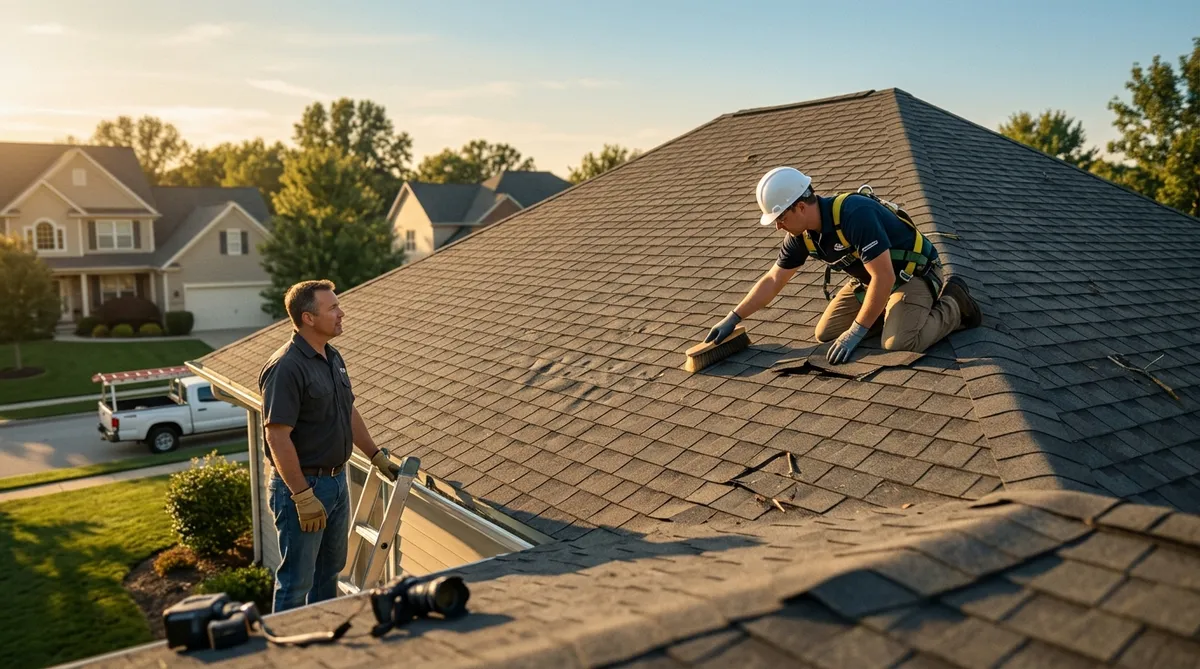
A licensed roofer will do a full inspection, often for free if you're filing a claim. They'll use tools like moisture meters to detect hidden issues. Expect them to document everything with photos and a report – essential for insurance.
Why Wait? The Risks of Delaying
Ignoring damage lets water infiltrate, leading to mold, weakened structures, and skyrocketing repair costs. A $500 fix today could be $5,000 tomorrow. Plus, some warranties void if you don't address storm damage promptly.
Insurance Claims: Timing Is Everything
Here's where many homeowners trip up: insurance. Most policies cover storm damage, but there's a catch – you must report it ASAP, often within days of the storm.
Why Timelines Matter
- Policy Deadlines: Standard homeowner's insurance requires prompt notice, typically 30-60 days, but sooner is better. Delaying means your adjuster might claim the damage is from wear and tear, not the storm.
- Documentation Window: Take photos right after the storm while damage is fresh. Weather reports can corroborate hail or wind speeds, but evidence fades.
- Claim Process: File immediately, then get a roofer's estimate. Adjusters visit within weeks, so have pros lined up via platforms like ContractorLink.pro.
We've guided clients through claims where quick action netted full coverage, including temporary repairs to prevent further damage. Pro tip: Keep records of all communications and get everything in writing.
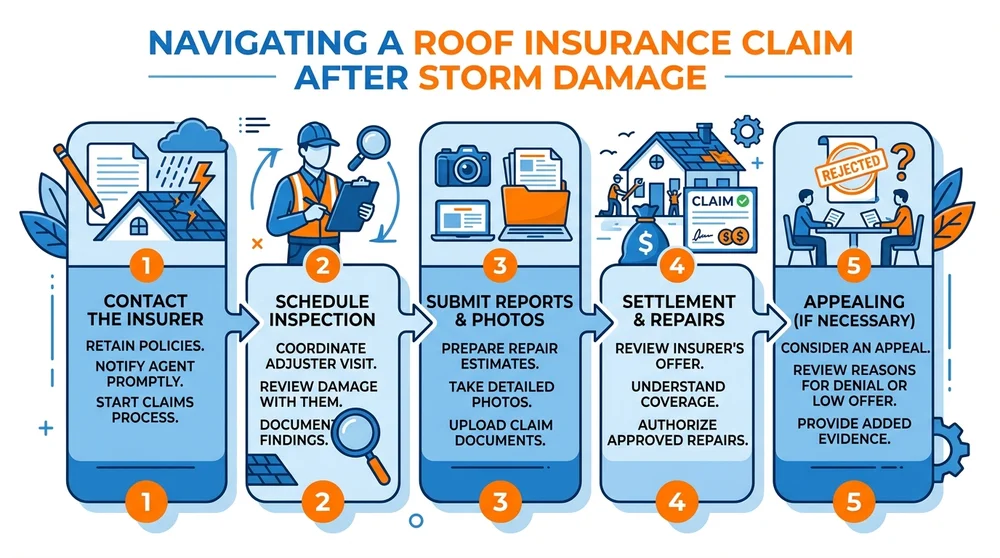
Navigating the Claim
- Contact your insurer the day after the storm.
- Schedule a roofer inspection within a week.
- Submit the roofer's report with your claim.
- If denied, appeal with more evidence – don't give up.
Remember, deductibles apply, but matching roofs or full replacements are common payouts for severe damage.
Final Thoughts from the Pros
Storms are unavoidable, but roof disasters don't have to be. By learning to spot hail's bruises, wind's tears, and impact's scars, you empower yourself to act before leaks crash the party. Call a roofer at the first sign – it's the smart, safe move that protects your home and wallet.
Stay vigilant, homeowners. Your roof's got your back; now return the favor.