What Is a P-Trap and Why Every Drain Needs One: Protecting Your Home from Sewer Gases
Have you ever wondered why your bathroom or kitchen sink doesn't smell like the sewer? It's not magic—it's the humble P-trap at work. As seasoned contractors at ContractorLink.pro, we've installed and repaired countless plumbing systems, and the P-trap is one of those unsung heroes that keeps homes safe and odor-free. In this post, we'll break down what a P-trap is, why it's essential for every drain in your house, and what happens when it dries out. Whether you're a DIY enthusiast or just curious about your home's inner workings, these insights will help you maintain a healthier living space.
Understanding the Basics: What Is a P-Trap?
At its core, a P-trap is a U-shaped pipe found under every sink, bathtub, shower, and floor drain in your home. It's called a "P-trap" because its shape resembles the letter "P" when viewed from the side—the curved section dips down and then rises back up before connecting to the main drain line.
Made typically from PVC, ABS plastic, or metal (like brass or chrome for visible areas), P-traps are a standard feature in modern plumbing. They're designed to hold a small amount of water, which acts as a barrier. This water seal is the key to preventing foul odors and potentially harmful gases from the sewer system from wafting into your home.
In older homes, you might encounter an "S-trap," which has a similar function but a different shape. However, S-traps are largely obsolete in new installations due to issues with siphoning water out of the trap. If you're dealing with an older setup, it's worth having a pro inspect it for compliance with current building codes.
As contractors, we always recommend sticking with P-traps for their reliability. They're simple, affordable (usually $5–$20 to replace), and easy to access for cleaning. If you're remodeling, ensure your plumber installs one under every drain—it's not just a suggestion; it's a necessity for health and safety.
How Does a P-Trap Work to Block Sewer Gases?
Sewer gases are no joke. They include methane, hydrogen sulfide (that rotten egg smell), and other volatile compounds produced by decomposing waste in your sewer lines. These gases can cause nausea, headaches, and in high concentrations, more serious health issues. Without a trap, they'd rise through your drains like an unwanted guest at a party.
Here's the genius of the P-trap: When you run water down the drain, it flows into the curved section of the trap, filling it with water. This creates a liquid plug that seals off the pipe leading to the sewer. Gases trying to escape hit this water barrier and are forced back down into the sewer system.
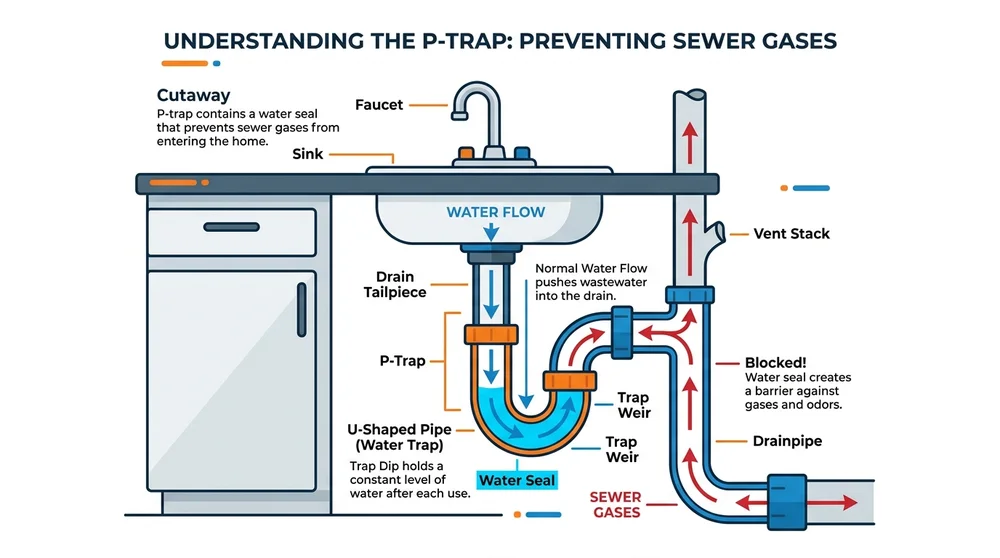
Think of it like a one-way valve made of water. The trap's design ensures that the water level stays consistent after each use, maintaining the seal. In high-traffic drains like kitchen sinks, the frequent water flow keeps the trap replenished naturally. But in less-used areas, like a guest bathroom or basement floor drain, that's where problems can sneak in.
We've seen it time and again: Homeowners ignore these out-of-the-way drains, only to be hit with a stench months later. The P-trap's simplicity is its strength, but it relies on that water staying put. Understanding this mechanism empowers you to spot issues early and avoid costly backups or health hazards.
Why Does Every Drain in Your Home Have a P-Trap?
Building codes mandate P-traps for a reason—they're the first line of defense against sewer gas intrusion. Every fixture that connects to your wastewater system needs one to comply with plumbing standards like those from the International Plumbing Code (IPC). This includes sinks, showers, tubs, washing machines, and even toilet flanges in some setups.
Beyond codes, P-traps serve multiple purposes. They catch debris like hair, soap scum, and small objects that could clog downstream pipes, acting as a mini-filter. In garbage disposals, the trap prevents solids from entering the main line too quickly, reducing the risk of blockages.
For floor drains in garages or laundry rooms, P-traps are especially vital. These areas might not see regular use, but they still connect to the sewer. Without a trap, gases could permeate your entire home, especially in basements where air circulation is limited.
From a contractor's perspective, installing P-traps is non-negotiable. We've retrofitted older homes without them, and the difference in air quality is immediate. If you're buying or renovating a property, ask about the trap configurations—it's a quick way to gauge the plumbing's overall condition.
The Dangers of a Dried-Out P-Trap
Now, let's talk about what happens when a P-trap dries out. It's simpler than you might think: Evaporation. In drains that aren't used frequently, the water in the trap can slowly evaporate over time—weeks or even months. Once the water level drops below the curve, the seal breaks, and sewer gases have a free path into your home.
The result? That unmistakable sewer smell, often strongest near the affected drain. It might start subtle, like a faint whiff after rain (when humidity affects evaporation), but it can intensify. In multi-story homes, gases could even migrate through shared vents, spreading the odor upstairs or down.
Worse than the smell, dried-out traps pose health risks. Sewer gases aren't just unpleasant; they can irritate eyes, throat, and lungs. In extreme cases, methane buildup could lead to explosion hazards in confined spaces, though that's rare in well-ventilated homes. We've responded to calls where families mistook the odor for a gas leak, only to find it was a simple dried trap in a guest bath.
Infrequent use is the main culprit. Vacation homes, rental properties, or that spare bathroom you never touch are prime suspects. Even in busy households, winterized outdoor drains or seasonal laundry rooms can dry out if not maintained.
Spotting the Signs of a Dried-Out P-Trap
Catching a dried-out P-trap early can save you from bigger plumbing woes. The most obvious sign is the smell—sewer-like, musty, or rotten eggs emanating from the drain. It might come and go, worsening when humidity drops or after long periods of non-use.
Other indicators include gurgling sounds when water runs, as air from the sewer pushes through the incomplete seal. You might also notice pests: Insects or rodents drawn to the gases can enter via the open path. In severe cases, backups could occur if debris follows the gas path.
To check yourself, pour a cup of water down the suspect drain and sniff. If the odor persists or returns quickly, the trap likely needs refilling. For floor drains, lift the grate and inspect visually—dry traps look empty or dusty inside.
Pro tip: During home walkthroughs or seasonal cleanings, test all drains. A quick flush can prevent issues. If smells persist after refilling, it could signal a vent problem or clog—time to call in a licensed plumber.
How to Fix a Dried-Out P-Trap and Prevent Future Issues
Fixing a dried-out P-trap is often DIY-friendly. Start by running water: A gallon or so down the drain should refill the trap and restore the seal. For stubborn odors, add a tablespoon of vegetable oil on top of the water—it slows evaporation by forming a thin layer.
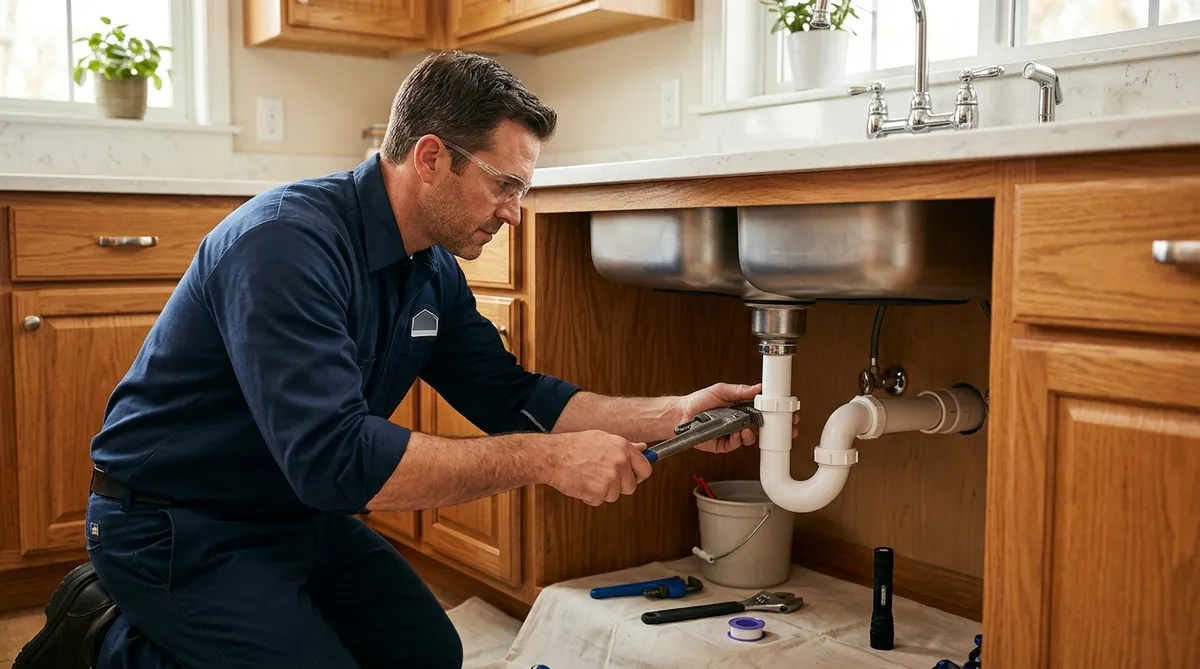
If the trap is clogged or damaged, disassembly might be needed. Place a bucket under the sink, unscrew the slip nuts on either side of the U-bend, and clean out any buildup. Reassemble tightly to avoid leaks. Tools required? Just a pair of channel-lock pliers and maybe some plumber's tape for the threads.
For prevention, make a habit of flushing unused drains monthly with a quart of water mixed with a bit of mineral oil. In vacation homes, consider automatic trap primers—small devices that drip water periodically to maintain the seal. They're inexpensive and code-approved for low-use areas.
We've installed these primers in countless properties, and they pay off by avoiding service calls. Also, ensure your home's plumbing vents are clear; blocked vents can siphon water from traps, mimicking a dry-out scenario.
If you're uncomfortable with DIY, that's okay—plumbing mishaps can lead to leaks. A pro can inspect the entire system, including checking for proper slope and connections. Regular maintenance like this extends the life of your drains and keeps sewer gases where they belong.
Pro Tips for P-Trap Maintenance from the Field
Over the years, we've gathered some field-tested advice for keeping P-traps in top shape. First, use the right cleaners: Harsh chemicals like bleach can degrade plastic traps over time, so opt for enzyme-based drain cleaners for routine upkeep.
In hard-water areas, mineral buildup can affect the trap's curve. Descale periodically with a vinegar-water solution poured down the drain. For visible chrome traps under pedestal sinks, a quick polish keeps them looking sharp while you inspect for issues.
When remodeling, upgrade to AAVs (air admittance valves) for island sinks where traditional venting is tricky—they work alongside P-traps to maintain seals without roof vents.
Finally, educate your household: Teach kids not to pour grease or flush non-flushables, as they can overwhelm the trap. A little awareness goes a long way in preventing clogs that indirectly dry out or damage traps.
In wrapping up, the P-trap might be a small component, but its role in your home's plumbing is massive. By understanding how it works, recognizing when it dries out, and staying proactive with maintenance, you can keep sewer gases out and your home smelling fresh. As pros who've seen it all, we assure you: A well-maintained P-trap is a peaceful home's best friend.