What Does 'Up to Code' Really Mean for Your Home Renovation?
As a homeowner diving into a renovation, you've likely heard the phrase 'up to code' tossed around by contractors, inspectors, and even your well-meaning neighbor. But what does it actually mean? In the world of home improvement, building codes are the backbone of safe, functional living spaces. They're not just bureaucratic hurdles—they protect you, your family, and your property from hazards like electrical fires, structural failures, or plumbing disasters.
At ContractorLink.pro's The Pipeline, we're all about sharing the straight talk from pros who've been in the trenches. Today, we're breaking down 'up to code' in plain English, with a special focus on the tricky dance between grandfathered systems and modern requirements. Whether you're gutting the kitchen or adding a bedroom, understanding this can save you time, money, and stress. Let's get into it.
Understanding Building Codes: The Basics
Building codes are sets of regulations that dictate how homes and structures must be built or modified. They're enforced at local, state, and sometimes national levels, often based on model codes like the International Residential Code (IRC) or International Building Code (IBC). These rules cover everything from electrical wiring and plumbing to structural integrity and energy efficiency.
Why do they exist? Simple: safety. Codes evolve with technology and lessons learned from past mishaps. For instance, after widespread issues with knob-and-tube wiring in older homes, modern codes mandate safer alternatives like Romex cable. But here's the key—codes aren't retroactive for existing structures. That brings us to grandfathering.
Grandfathered systems are those installed before current codes were in place. If your home was built in the 1950s with compliant wiring at the time, it's often allowed to stay as-is, even if it wouldn't pass today's standards. This 'grandfather clause' prevents owners from having to overhaul everything just to sell or insure the house. However, renovations change the game.
Grandfathered Systems: What They Are and Why They Matter
Picture this: You're remodeling your 1920s bungalow and discover the original cast-iron drain pipes snaking through the basement. They were up to code when installed, but today's plastic PVC is the standard for its durability and ease of installation. Is your plumber going to rip it all out? Not necessarily—that's grandfathering at work.
Grandfathering allows pre-existing conditions to remain if they're not altered, as long as they don't pose an immediate safety risk. It's a nod to practicality; forcing full compliance on old homes would bankrupt many owners. But there's a catch: these systems must be 'safe and sanitary' per the local authority. If your grandfathered knob-and-tube wiring is frayed or overloaded, an inspector might flag it.
From our experience as contractors, we've seen grandfathering save projects. On a recent kitchen reno in a Victorian-era home, the original galvanized steel water lines were left intact because they weren't being touched. We only updated the sections we disturbed, keeping costs down by about 30%. The lesson? Know your home's age and systems—pull permits from your local building department to check historical compliance.
When Renovations Trigger Current Code Requirements
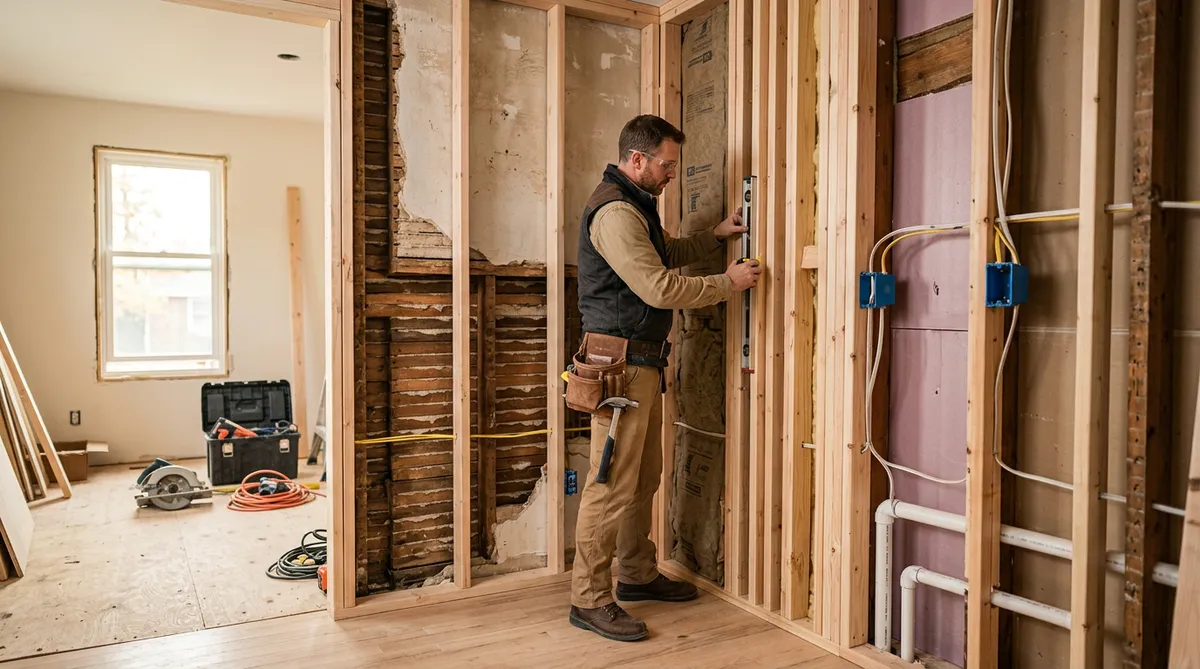
Here's where things get interesting (and sometimes frustrating). 'Up to code' during renovations typically means any new work or disturbed areas must meet current standards. If you're not touching it, it can stay grandfathered. But open up a wall, and suddenly the whole system might need scrutiny.
Local jurisdictions vary, but a common rule is the '50% rule' for roofs or additions: If your project exceeds half the structure's value, the entire home might need code upgrades. For electrical, if you add a new circuit, the panel must handle it per today's amps (usually 200A minimum for modern homes). Plumbing? Replacing a fixture often requires venting and drainage to current specs.
Take electrical upgrades as an example. Say you're adding outlets in a 1960s ranch house with aluminum wiring—a grandfathered but risky setup. If you're rewiring a room, you might have to upgrade the service entrance to copper or address the whole house if it's deemed hazardous. We've advised clients to get a pre-renovation inspection; it uncovers these issues early, avoiding mid-project shutdowns.
Practical tip: Always pull permits. Inspectors will clarify what's grandfathered versus what needs updating. In one case, a client in Chicago renovated their attic without one—turns out, the old stairs didn't meet egress codes for the new space, leading to a $5,000 fix.
Common Scenarios: Grandfathered vs. Current Code in Action
Let's look at real-world examples to make this concrete. These are drawn from jobs we've handled or consulted on through ContractorLink.pro.
Electrical Systems
Older homes often have fuse boxes instead of breakers. Grandfathered? Yes, until you overload it or add load. During a basement finish, if you're installing lights and outlets, the entire panel might need upgrading to a 200A breaker box with GFCI protection. Cost? Around $2,000–$4,000, but it prevents fires and boosts resale value.
Pro advice: Test your system with a load calculation. If it's maxed out, plan for an upgrade proactively.
Plumbing and HVAC
Galvanized pipes from the mid-20th century corrode over time. If you're remodeling the bathroom and touching the lines, expect to repipe with PEX or copper to meet flow rates and backflow prevention rules. Grandfathered pipes elsewhere? Fine, as long as they're not leaking.
For HVAC, ductwork in attics might be uninsulated—grandfathered, but inefficient. Adding central air? New ducts must be sealed and insulated per energy codes, potentially requiring tweaks to old sections.
We've seen HVAC installs fail inspection because forgotten asbestos-wrapped ducts (common in pre-1980s homes) weren't addressed. Tip: Hire a licensed pro for abatement if needed; DIY is a no-go.
Structural and Insulation
Adding a deck? Railings must be 36–42 inches high with balusters no more than 4 inches apart—current code for safety. Your old porch railing? Grandfathered if unchanged.
Insulation upgrades during a reno often hit code snags. If you're finishing an interior wall, it needs R-13 minimum in many zones, even if the rest of the house is uninsulated. This ties into energy codes like IECC, which aim to cut utility bills.
In a recent project, a family insulating their garage found the original framing didn't support modern batts without reinforcement. We added blocking—simple fix that kept everything code-compliant.
Navigating Codes: Pro Tips for Homeowners
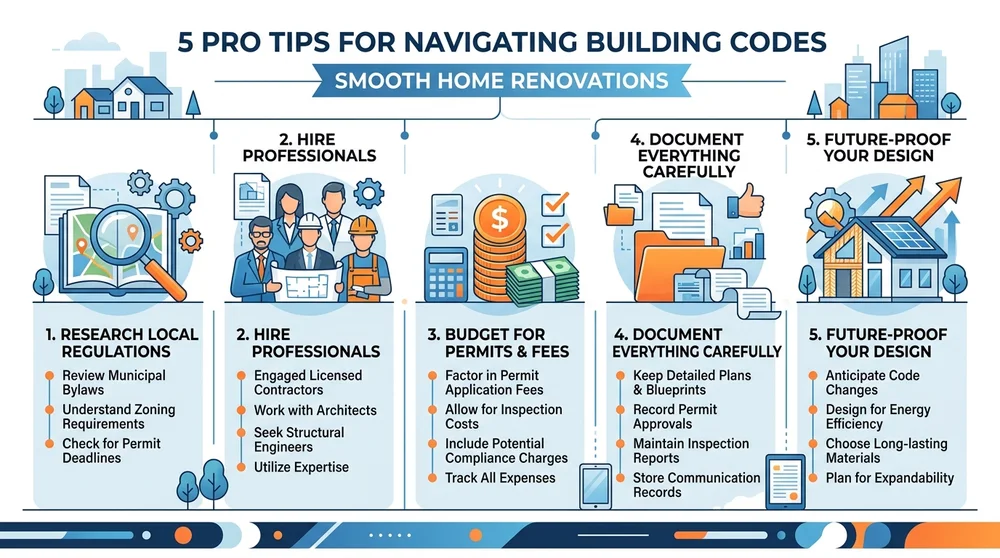
Dealing with codes doesn't have to be overwhelming. Here's how to stay ahead:
Research Local Rules: Codes aren't uniform. Use your city's website or call the building department. Tools like UpCodes.com aggregate them nationally.
Hire Licensed Pros: They know the nuances. A good contractor spots grandfathering opportunities, saving you cash. Through ContractorLink.pro, connect with vetted experts who handle permits.
Budget for Surprises: Add 10–20% to your reno budget for code-related updates. It's better than delays.
Document Everything: Keep records of inspections and approvals. This helps with insurance and future sales.
Consider the Big Picture: Upgrading beyond minimums—like adding smart wiring—future-proofs your home. Energy-efficient windows might qualify for rebates too.
We've guided dozens of homeowners through this. One couple renovating a mid-century modern avoided a full electrical overhaul by isolating their new home office circuit, sticking to grandfathered mains where possible.
Wrapping It Up: Code Compliance for Peace of Mind
'Up to code' isn't just jargon—it's your ticket to a safer, more valuable home. Grandfathered systems let you preserve history without full overhauls, but renovations demand vigilance on current standards for anything new or altered. By understanding the difference, you're empowered to make smart choices.
From the pros at The Pipeline, remember: Codes evolve to protect you, so embrace them as allies in your home improvement journey. Next time you're planning a project, start with a code check—it's the foundation of success.