Moving Into a New Home? Essential Checks and Inspections to Schedule Before Day One
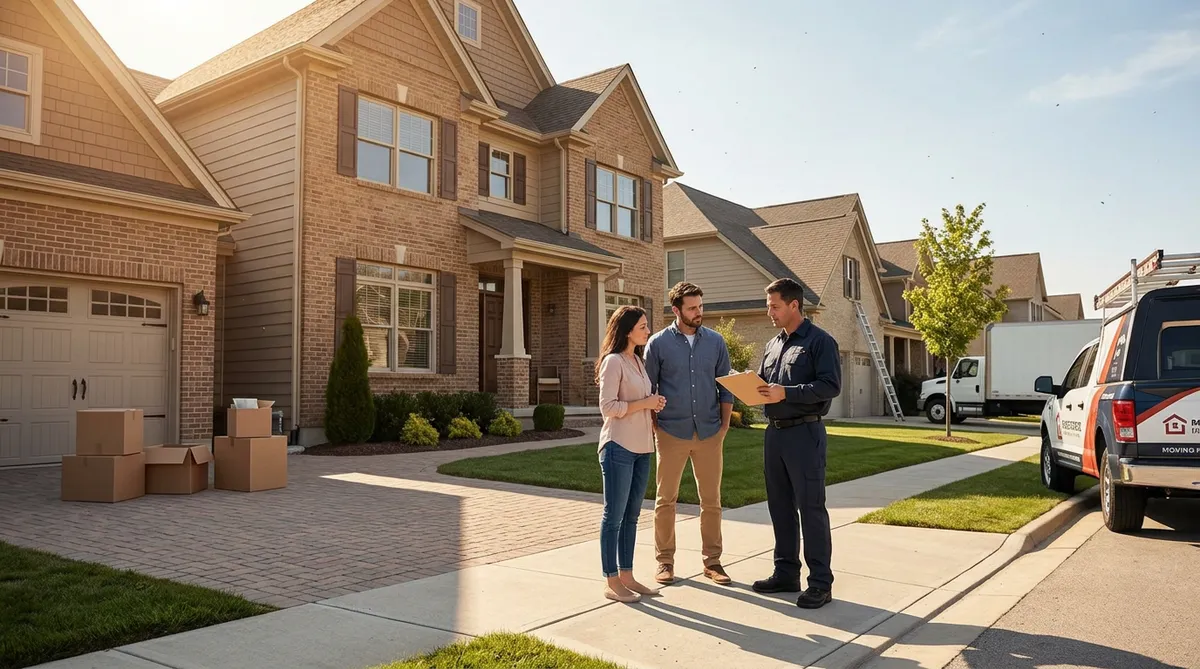
Congratulations on your new home purchase! That rush of excitement as you sign the closing papers and envision your life in the space is unbeatable. But before you haul in the boxes and settle on the couch, there's a crucial window of opportunity between closing and move-in day. This is your chance to get a professional eye on potential issues without the chaos of unpacked belongings everywhere.
As contractors who've seen it all—from minor leaks to major structural surprises—we at The Pipeline recommend using this pre-move period to schedule inspections and services. It's not about paranoia; it's about peace of mind. A thorough check can save you thousands in repairs down the line and ensure your new home is safe and functional from day one. In this post, we'll walk you through a priority list of what to inspect and schedule, based on real-world experience from the pros who fix it.
Why Bother with Pre-Move Inspections?
You might think the home inspection you did during the buying process covered everything, but that was likely a high-level overview. Now that the house is yours, you can dive deeper without rushing or negotiating with sellers. Plus, many warranties and insurance policies start at closing, so addressing issues early keeps you covered.
From our years in the field, we've found that 70% of new homeowners discover at least one surprise issue in the first few months. Common culprits? Hidden water damage, outdated electrical systems, or HVAC units on their last legs. By scheduling pros now, you avoid the hassle of coordinating repairs amid moving trucks and family chaos. Think of it as a final tune-up before the big race.
Pro tip: Use this time to document everything with photos and notes. If you find problems, you'll have a clear record for insurance claims or contractor quotes.
Priority 1: Plumbing and Water Systems
Water issues can turn your dream home into a nightmare faster than you can say 'flood.' Start here because leaks or pressure problems often hide until you're fully moved in.
What to Check
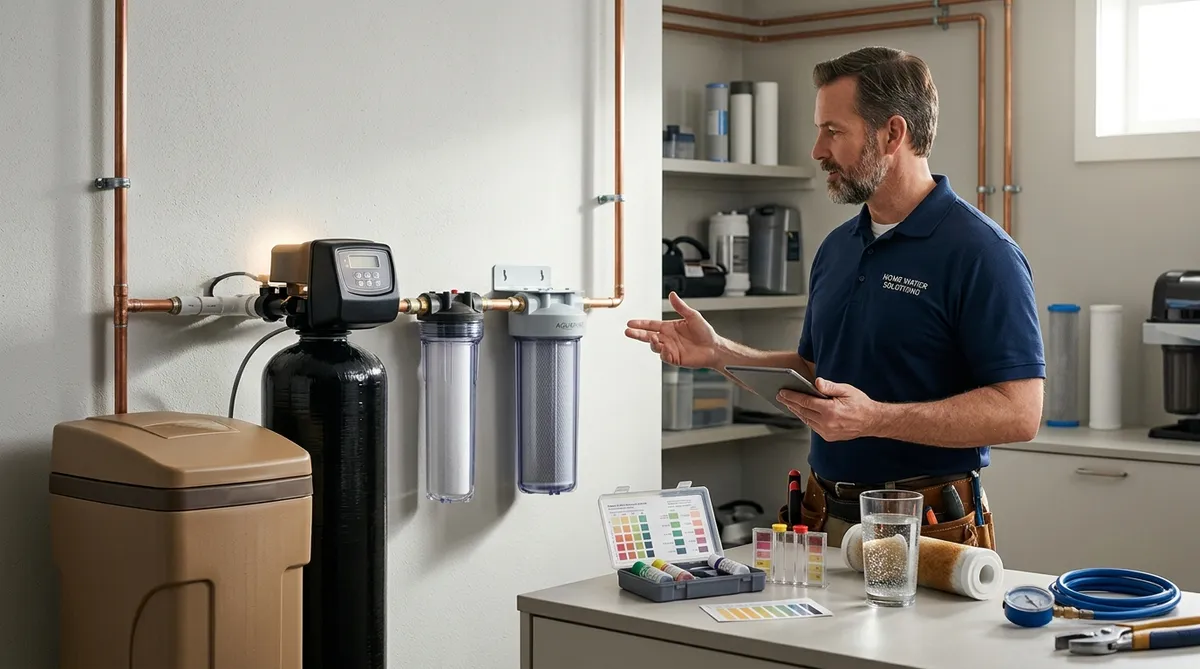
- Main Water Line and Shut-Off Valves: Have a plumber inspect the main line for corrosion or blockages. Test all shut-off valves—they should turn easily without leaking. In older homes, galvanized pipes might be rusting inside, leading to low pressure or bursts.
- Drainage and Sewage: Run a camera inspection of your sewer lines to spot tree roots, cracks, or offsets. This is especially vital if the home is over 20 years old or near mature landscaping.
- Fixtures and Appliances: Even if they look fine, check for slow drains, unusual noises, or low hot water pressure. Test the water heater for efficiency and leaks.
When to Schedule
Aim for within the first week after closing. A full plumbing inspection typically takes 2-4 hours and costs $300-500, depending on your location. If you're in a hard-water area, add a water softener evaluation to prevent future scale buildup.
We've fixed countless basements turned into swimming pools because owners skipped this step. One client ignored a gurgling drain, only to face a $10,000 sewer replacement later. Don't let that be you—get the pipes flowing smoothly before the movers arrive.
Priority 2: Electrical System Review
Electrical problems are sneaky and dangerous. A faulty outlet might seem minor, but it could signal bigger issues like overloaded circuits or outdated wiring.
Key Inspections
- Panel and Wiring: Hire an electrician to inspect your breaker box for capacity (is it 100 amps or the modern 200+?). Look for aluminum wiring in homes built before 1970, which can pose fire risks, or knob-and-tube systems in even older builds.
- Outlets and Switches: Test every one with a circuit tester for proper grounding. GFCI outlets in kitchens and bathrooms should trip when tested. Check for flickering lights or warm spots on cords.
- Smart Home Readiness: If you're planning to add smart devices, ensure the system can handle the load. This is also a good time to add outlets where you'll need them, like home offices.
Scheduling Tips
Book an electrician early, as they're often in high demand. Expect 3-5 hours and $200-400. If your home has a pool or EV charger plans, factor those in now.
In our experience, skipping electrical checks leads to the most emergency calls. One homeowner moved in and blew a fuse the first night—turns out the panel was undersized for their appliances. A quick upgrade pre-move avoided that blackout drama.
Priority 3: HVAC and Ventilation Assessment
Your heating, cooling, and air quality systems keep you comfortable year-round. Don't wait for the first heatwave or cold snap to test them.
What to Inspect
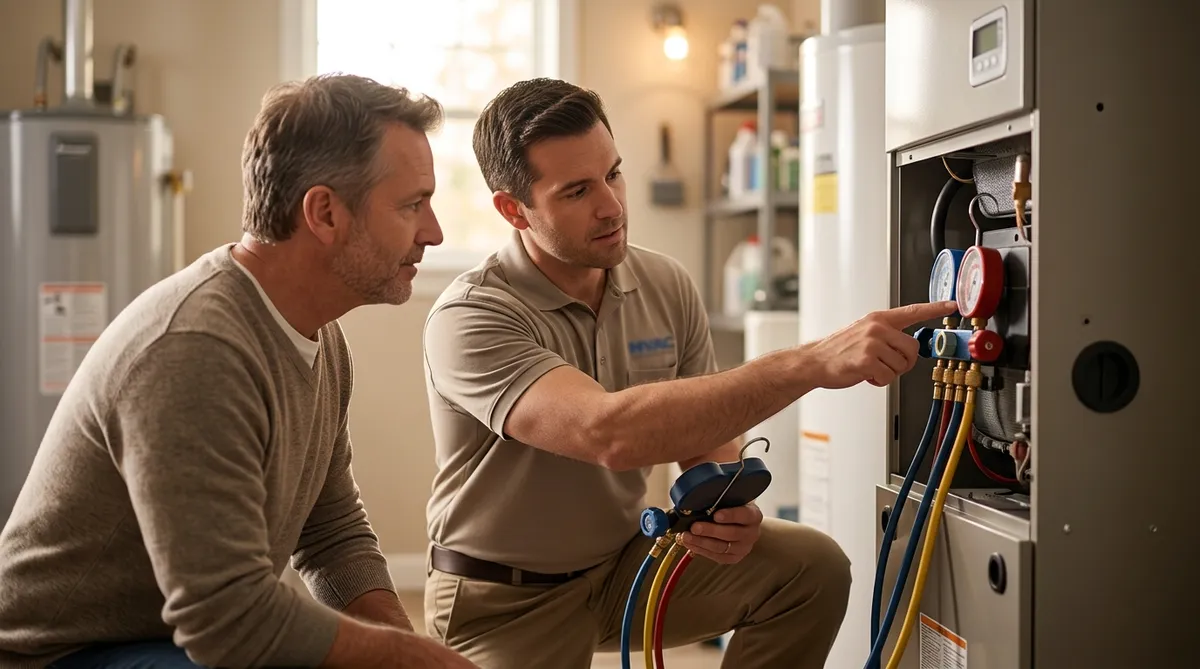
- Furnace and AC Unit: Have an HVAC tech check for refrigerant levels, duct leaks, and filter condition. Test the thermostat and ensure even airflow in every room.
- Ventilation and Insulation: Inspect attic and crawlspace vents for blockages. A blower door test can reveal air leaks, helping you seal them before energy bills spike.
- Ductwork: Clean and inspect ducts for mold, pests, or damage. In humid climates, add dehumidifier checks to prevent moisture issues.
Timeline and Costs
Schedule within 10 days of closing; it takes 2-3 hours and runs $150-300. If the system is over 15 years old, consider a full efficiency audit—newer units can cut energy costs by 30%.
We've seen families sweat through summers because they assumed the AC 'worked fine' during the walkthrough. Proactive maintenance now means cozy temps when you unpack.
Priority 4: Roof, Attic, and Exterior Structures
The roof protects everything underneath, so a pre-move inspection catches wear before leaks ruin your interiors.
Essential Checks
- Roof Integrity: Look for missing shingles, flashing issues around chimneys, or soft spots. Hire a roofer for a drone or ladder inspection if it's steep.
- Attic Inspection: Check for insulation levels (R-38 minimum in most areas), ventilation, and signs of pests or water stains. Attics often hide the real story of a home's condition.
- Exterior Elements: Examine siding, windows, and foundation for cracks or settling. Gutters should be clear to direct water away from the base.
Pro Advice on Timing
Do this mid-window, around 2 weeks post-closing, to allow for weather-dependent work. Costs: $200-400 for roof/attic. In rainy seasons, prioritize to avoid post-move water damage.
A contractor buddy once repaired a roof that 'looked okay'—but it had hidden rot from poor attic venting. Catching it early saved the new owners a full replacement.
Priority 5: Appliances, Safety Features, and Final Walk-Through
Don't overlook the basics that make daily life safe and easy.
Quick Wins
- Built-In Appliances: Test the oven, dishwasher, washer—run full cycles. Check fridge seals and dryer vents for lint buildup to prevent fires.
- Safety Systems: Install or inspect smoke/CO detectors, fire extinguishers, and radon tests if in a high-risk area. Verify garage door sensors work.
- Pest and Mold Scan: A quick professional sweep for termites, rodents, or hidden mold, especially in basements or crawlspaces.
How to Handle
Combine these with other inspections to save time—1-2 days total, $100-300. Walk through the empty house multiple times, flushing toilets, running faucets, and noting any odors.
Final Thoughts: Your Pre-Move Action Plan
Tackle this priority list systematically: Start with plumbing and electrical for safety, then HVAC and roof for habitability, and finish with appliances and safety. Coordinate with licensed pros through platforms like ContractorLink.pro to get vetted experts quickly.
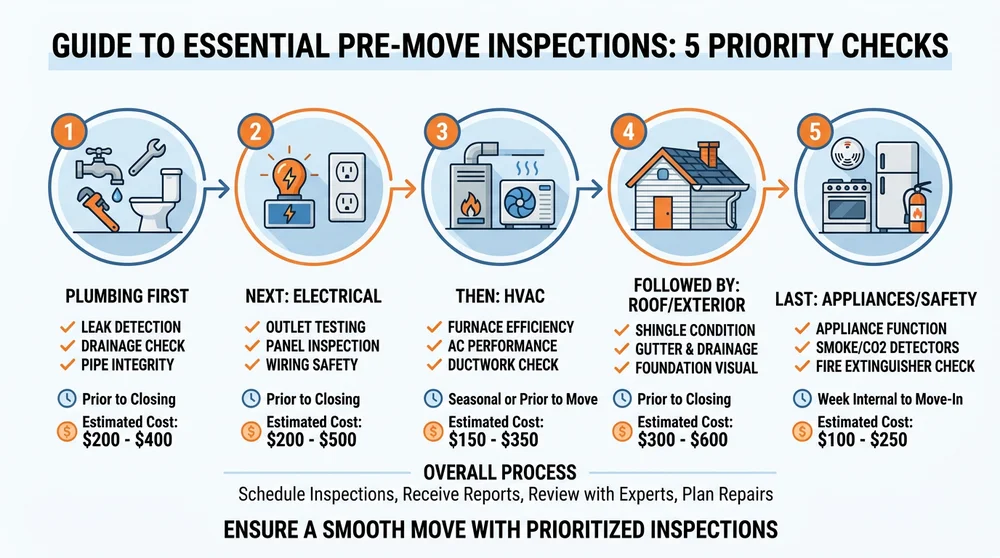
Budget $1,000-2,000 total, but view it as an investment—far cheaper than emergency fixes. By move-in day, you'll step into a home that's truly ready for you. Happy settling in!
(Word count: 1,248)