Low Water Pressure: Fix the Faucet or Replace Your Entire Plumbing System?
Understanding Low Water Pressure in Your Home
Nothing's more frustrating than turning on the faucet expecting a strong stream, only to get a pathetic trickle. Low water pressure affects everything from your morning shower to washing dishes, and it can make daily chores feel like a chore. As contractors who've seen it all at ContractorLink.pro, we've helped countless homeowners pinpoint and solve these issues. The big question is: Is it just your faucet acting up, or does your whole plumbing system need attention?
Low water pressure typically means your home isn't getting the optimal flow of water—usually around 40-60 PSI (pounds per square inch) for most households. Anything below 40 PSI starts to feel weak. It could stem from something as simple as a clogged aerator or as complex as corroded pipes throughout your house. We'll walk you through diagnosing the problem, DIY fixes, and when to call in the pros to avoid wasting time and money.
Common Causes of Low Water Pressure
Before you grab your tools, let's break down the usual suspects. Identifying the root cause is key to deciding if a quick faucet tweak will do or if you're looking at a bigger overhaul.
Faucet-Specific Issues
These are the low-hanging fruit—problems isolated to one fixture. If only your kitchen sink has weak flow but the bathroom shower is fine, it's likely not a whole-house problem.
- Clogged Aerators or Screens: Mineral buildup from hard water is the number one culprit. These tiny screens at the faucet tip restrict flow over time.
- Worn-Out Cartridges or Valves: In single-handle faucets, the internal cartridge can wear down, reducing pressure. Older compression faucets might have faulty washers.
- Kinked or Blocked Hoses: Under-sink supply lines can twist or get clogged with sediment.
Whole-House Problems
If every faucet, shower, and outdoor spigot is sputtering, the issue is upstream. This is where things get serious and potentially expensive.
- Main Water Supply Issues: A partially closed shut-off valve or low municipal pressure could be to blame. Check your water meter's shut-off valve first—it's often overlooked.
- Clogged or Corroded Pipes: In older homes (pre-1970s), galvanized steel pipes rust and scale up, narrowing the flow path. Even copper pipes can accumulate minerals.
- Pressure Regulator Problems: Most homes have a regulator to keep pressure safe (under 80 PSI). If it's faulty or set too low, your whole system suffers.
- Water Heater or Fixture Overload: If multiple appliances run simultaneously, pressure drops. But persistent low pressure points to infrastructure woes.
- Well System Failures: For rural homes on private wells, a failing pump or low water table can mimic these symptoms.
Pro tip: Test pressure at different times of day. Peak usage hours might reveal if it's a supply issue from your utility company.
Step-by-Step Diagnosis: Is It the Faucet or the System?
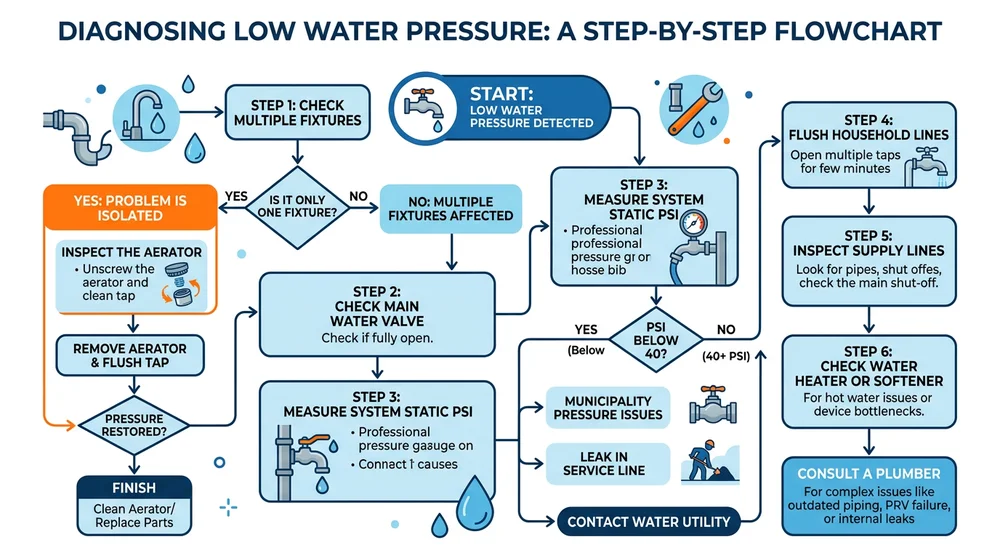
Don't jump to conclusions—diagnose systematically to save yourself a headache. Grab a pressure gauge (under $20 at hardware stores) and follow these steps.
Check Multiple Fixtures: Run water at the farthest faucet from your main line (usually an upstairs bathroom). If it's weak everywhere, it's likely a system-wide issue. If only one or two spots are affected, focus on those.
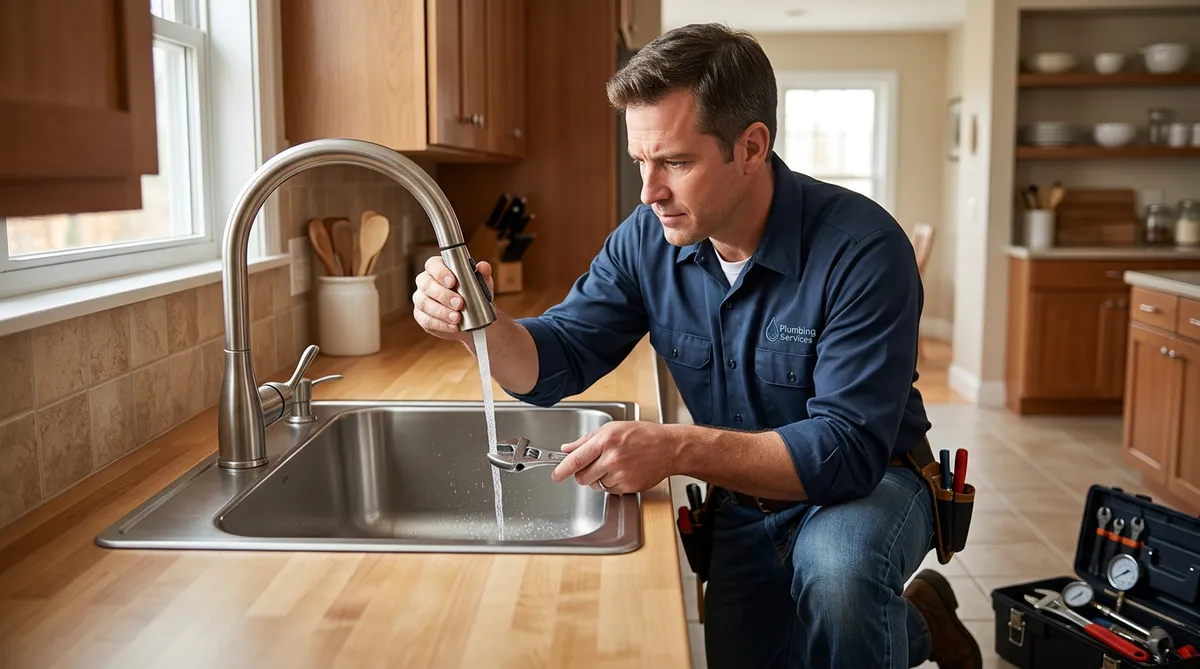
Inspect the Aerator: Unscrew the aerator from the faucet tip (use pliers with a cloth to avoid scratches). Rinse it under hot water or soak in vinegar to dissolve buildup. Reattach and test—problem solved? Great, you're done for under five bucks.
Measure PSI: Attach the gauge to an outdoor spigot or faucet bibb. Ideal reading: 40-60 PSI. Below 30? Call your water utility first to rule out external factors.
Flush the Lines: Turn off the main water supply, open all faucets, then slowly reopen the main valve. This can clear sediment from the lines.
Examine Supply Lines: Under the sink, trace the hoses. Look for kinks, leaks, or loose connections. Tighten fittings and straighten lines.
If these don't help and pressure is low house-wide, it's time to think bigger. Peek at your pipes in the basement or crawlspace—rusty, green, or scaled pipes scream 'replace me.'
DIY Fixes for Faucet Low Pressure
For localized issues, roll up your sleeves. These contractor-approved tips can restore flow without a plumber's bill.
Cleaning the Aerator
As mentioned, mineral deposits are sneaky. Soak the aerator in white vinegar overnight. For stubborn buildup, use a toothbrush or CLR cleaner. Reinstall and run hot water to flush residue. This fix works 70% of the time for kitchen and bathroom faucets.
Replacing the Cartridge
If your faucet is a modern single-lever type (like Moen or Delta), the cartridge is replaceable. Shut off the water under the sink, disassemble per the manufacturer's instructions (YouTube has great tutorials), and swap in a new one—$20-50. It's straightforward but requires basic tools like an Allen wrench.
Upgrading the Faucet Head
Sometimes, the faucet itself is outdated. Low-flow models save water but can feel weak. Switch to a high-arc or touchless faucet with better aerator tech. Installation takes 30 minutes if you're handy.
Warning: If you're dealing with lead solder in pre-1986 homes, wear gloves and ventilate—old pipes can release toxins during work.
When to Replace the Whole Plumbing System
If DIY doesn't cut it and diagnostics point to systemic failure, replacement might be your only option. This isn't cheap—$5,000 to $15,000 depending on home size—but ignoring it leads to leaks, bursts, and water damage.
Signs It's Time for a Full Repipe
- Consistent low pressure below 30 PSI across all fixtures.
- Visible corrosion, pinhole leaks, or discolored water.
- Frequent clogs despite regular maintenance.
- Home age: Galvanized pipes over 50 years old are ticking time bombs.
What Replacement Involves
Modern repiping uses PEX (flexible plastic) or copper. PEX is cheaper, easier to install, and resistant to corrosion—our go-to for most jobs. The process: Shut off water, cut out old pipes section by section, reroute new lines through walls/ceilings (minimal demo needed), and test for leaks. It takes 3-5 days for a 2,000 sq ft home.
Adjusting the Pressure Regulator
Before full replacement, check your regulator (usually near the main shut-off). If it's adjustable, turn the screw clockwise in quarter-turns to boost pressure. But if it's broken, replacement costs $200-400—far better than repiping.
For well owners, inspect the pressure tank and pump. A pro can recalibrate or replace for $500-1,500.
Prevention and Maintenance Tips
Once fixed, keep pressure strong with routine care.
- Install a Whole-House Water Softener: If hard water is your enemy, this prevents scale buildup. Annual maintenance keeps it humming.
- Flush Pipes Yearly: In fall, before winter, flush your system to remove sediment.
- Monitor Usage: Avoid running multiple high-demand fixtures at once.
- Upgrade Fixtures: Low-flow toilets and showerheads are efficient but pair them with pressure-boosting valves if needed.
- Annual Inspections: Have a plumber check your system every 1-2 years, especially in older homes.
These habits extend your plumbing's life and catch issues early.
Making the Right Call: Faucet Fix or System Overhaul?
Deciding between a faucet tweak and full replacement boils down to diagnosis. Start small—clean that aerator or swap a cartridge—and escalate if needed. As pros, we've seen homeowners save thousands by addressing faucet issues first, but delaying a repipe can cost more in the long run.
Low water pressure doesn't have to disrupt your home. With these steps, you'll flow like new. If you're unsure, connect with a licensed contractor through ContractorLink.pro—they'll assess and quote accurately.