What's the Life Expectancy of Your Home's Major Systems? A Pro Guide to HVAC, Water Heaters, Roofing, Electrical Panels, and Plumbing
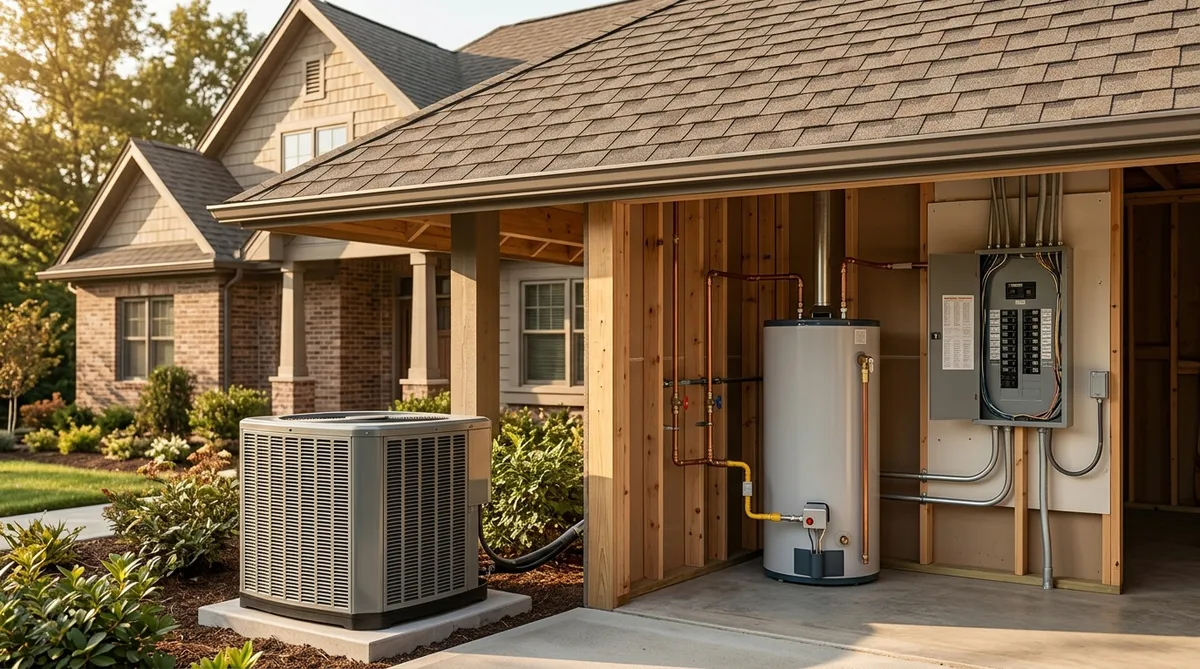
As homeowners, we pour our hearts (and wallets) into our houses, but even the sturdiest builds have a ticking clock on their major systems. Knowing the expected lifespan of key components like your HVAC, water heater, roof, electrical panel, and plumbing can help you budget smarter, plan maintenance, and avoid those gut-wrenching emergency breakdowns. At The Pipeline, we've seen it all—from squeaky furnaces to leaky roofs—and we're here to share the straight talk from licensed contractors who've installed, repaired, and replaced thousands of these systems.
This guide isn't just about numbers; it's packed with practical tips to maximize longevity and red flags to watch for. Whether you're a first-time buyer or a seasoned homeowner, understanding these timelines empowers you to keep your home running smoothly. Let's dive in.
HVAC Systems: The Heart of Your Home Comfort
Your heating, ventilation, and air conditioning (HVAC) system is like the lungs of your house, circulating air and maintaining that perfect indoor climate. But like any hardworking organ, it has a finite lifespan.
Typical Lifespan
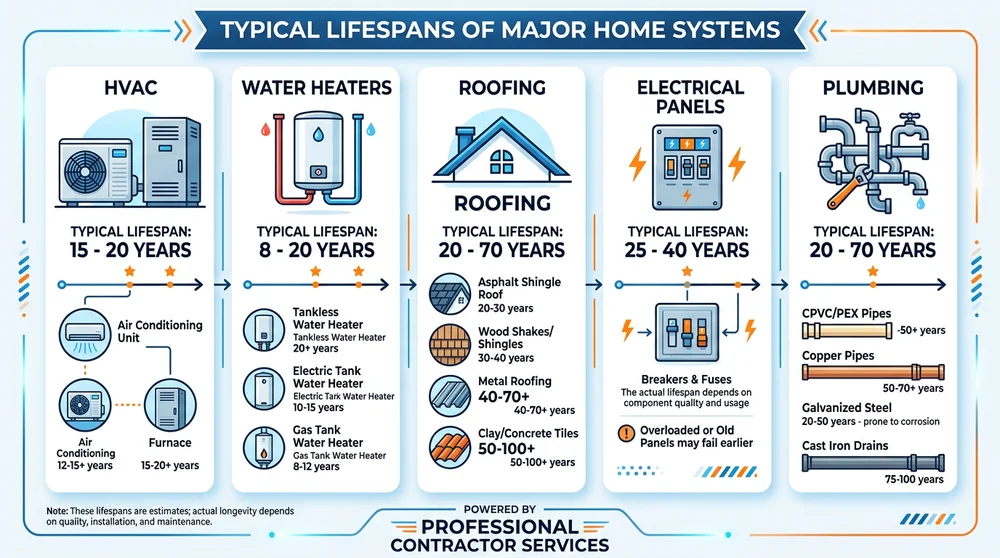
Most central HVAC systems last 15 to 20 years, with furnaces on the higher end (up to 20 years) and air conditioners closer to 15. Heat pumps fall in between, around 16 years, while ductless mini-splits might push 20+ with proper care. Factors like climate, usage, and maintenance play huge roles—harsh winters or constant AC blasts in hot summers can shave years off.
Pro Tips for Longevity
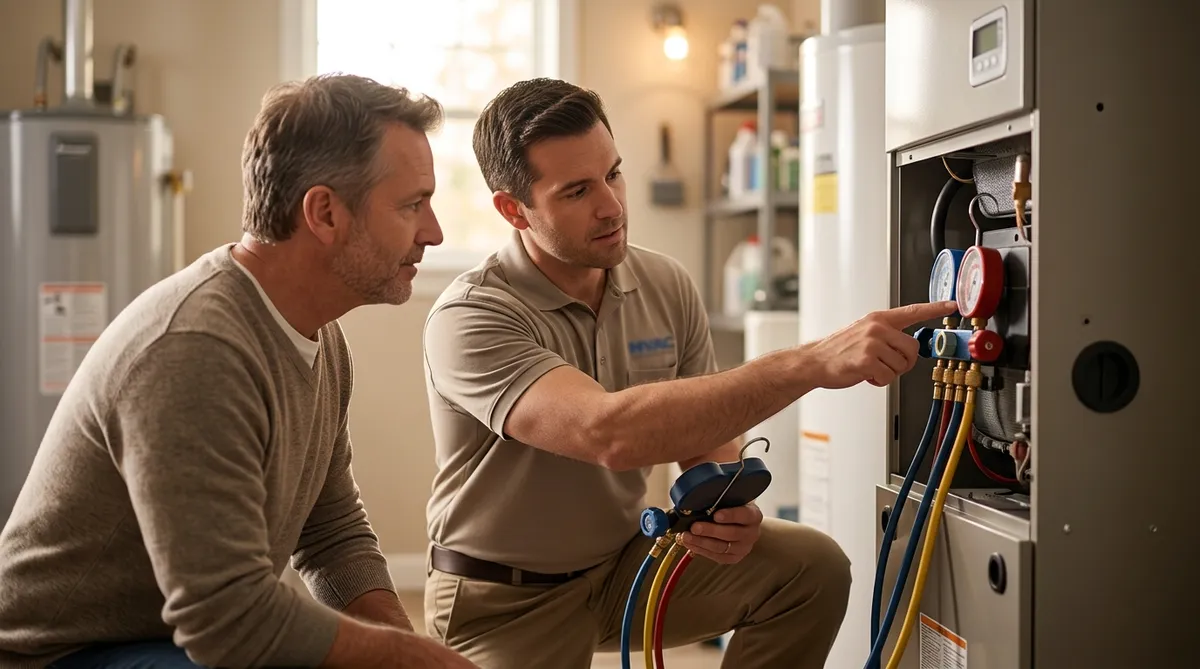
- Schedule Annual Tune-Ups: Change filters every 1-3 months and have a pro inspect coils, refrigerant levels, and electrical components yearly. This can extend life by 5-10 years.
- Keep It Clean: Dust buildup is the enemy. Vacuum around the unit and ensure vents are unobstructed to improve efficiency and reduce strain.
- Upgrade Wisely: If your system is over 10 years old, consider energy-efficient models with SEER ratings above 16. They cost more upfront but pay off in lower bills and longer life.
When to Replace
Watch for frequent breakdowns, uneven heating/cooling, skyrocketing energy bills, or strange noises. If repairs exceed 50% of replacement cost, it's time to call in a contractor for a new install.
Water Heaters: Hot Water on Demand
Nothing's more frustrating than a cold shower on a Monday morning. Water heaters quietly provide endless hot water, but they don't last forever.
Typical Lifespan
Tank-style water heaters average 8 to 12 years, while tankless models can go 20 years or more. Gas units tend to outlast electric ones slightly, but hard water minerals accelerate corrosion in both.
Pro Tips for Longevity
- Flush Annually: Sediment buildup reduces efficiency. Drain the tank yearly to remove gunk—it's a simple DIY job that prevents early failure.
- Insulate It: Wrap the tank and pipes with foam insulation to cut heat loss by up to 25%, easing the workload.
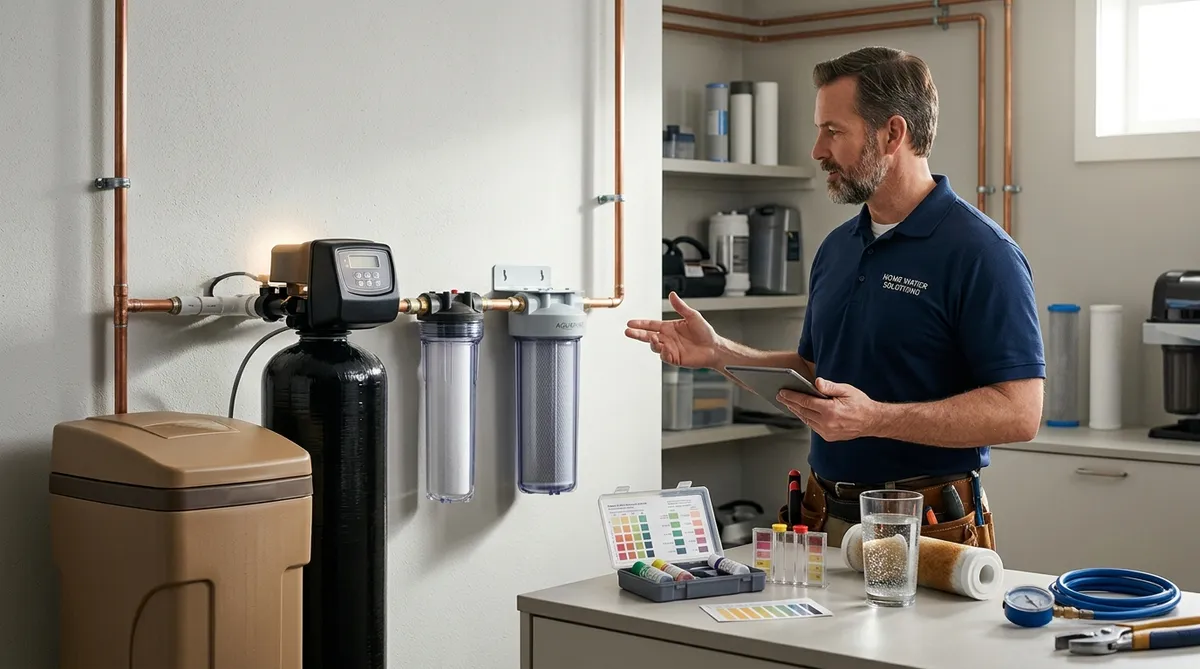
- Water Softener if Needed: In areas with hard water, install a softener to minimize scale. This can double your heater's life.
When to Replace
Signs include rusty water, leaks at the base, or noises like popping (from sediment). If it's over 10 years, start saving—proactive replacement avoids floods and inefficiency.
Roofing: Your Home's First Line of Defense
Your roof shields everything from rain to UV rays, but exposure to the elements wears it down over time.
Typical Lifespan
Asphalt shingles, the most common, last 20-30 years. Metal roofs can endure 40-70 years, tile 50+, and wood shakes 20-30 with maintenance. Slope, ventilation, and local weather (think hail or high winds) influence this greatly.
Pro Tips for Longevity
- Inspect Twice a Year: After storms, check for missing shingles, cracks, or granule loss. Clean gutters to prevent water pooling.
- Ventilate the Attic: Proper airflow reduces heat buildup, which can curl shingles prematurely. Aim for 1 square foot of vent per 150 square feet of attic space.
- Quality Materials Matter: Invest in architectural shingles over basic 3-tab for better wind resistance and longevity.
When to Replace
Look for widespread granule loss in gutters, interior leaks, or sagging sections. A full inspection by a roofer can reveal hidden damage—don't wait for a big storm to force your hand.
Electrical Panels: Powering Your Modern Life
Modern homes demand more electricity than ever, and your electrical panel is the nerve center distributing it safely.
Typical Lifespan
Older fuse boxes last 20-30 years, but modern breaker panels go 25-40 years. However, if your home's wiring or load has increased (hello, EVs and smart homes), even a "young" panel might need upgrading sooner.
Pro Tips for Longevity
- Avoid Overloading: Use GFCI outlets and don't daisy-chain power strips. Distribute high-draw appliances across circuits.
- Regular Checks: Have an electrician inspect every 5-10 years for corrosion, loose wires, or outdated components like aluminum wiring.
- Plan for Growth: If adding major appliances, upgrade to a 200-amp panel now to future-proof.
When to Replace
Flickering lights, frequent tripped breakers, or burning smells scream danger. Outdated panels (pre-1990) often can't handle today's loads—replace for safety and insurance compliance.
Plumbing: The Unsung Hero of Your Home
Pipes carry life-sustaining water throughout your house, but they're prone to wear from age, water quality, and settling foundations.
Typical Lifespan
Copper pipes last 50-70 years, PEX (plastic) 40-50, and galvanized steel just 20-50 (but it's outdated and rusts). Drains and fixtures like faucets average 20-30 years.
Pro Tips for Longevity
- Winterize Pipes: Insulate exposed lines and know how to shut off water to prevent freezes that crack pipes.
- Monitor Water Quality: Test for pH and minerals; acidic water corrodes faster. Use pipe wraps or inhibitors if needed.
- Fix Leaks Promptly: Even small drips waste water and weaken joints. Tighten fittings or call a plumber for proactive repairs.
When to Replace
Discolored water, low pressure, or recurring clogs signal trouble. For older homes, consider a full repipe during renovations to avoid catastrophic failures.
Wrapping It Up: Stay Ahead of the Curve
Your home's major systems are investments that deserve attention. By tracking these lifespans—HVAC 15-20 years, water heaters 8-20, roofing 20-70, electrical panels 25-40, plumbing 20-70—you can schedule maintenance proactively and budget for replacements without nasty surprises. Remember, regular pro inspections are your best defense; small issues today prevent big headaches tomorrow.
At ContractorLink.pro, our network of licensed contractors is ready to help assess your setup. Knowledge is power—use this guide to keep your home thriving for decades.