Licensed vs. Unlicensed Contractors: The Hidden Risks You Can't Afford to Ignore
As seasoned contractors who've seen it all—from botched kitchen remodels to structural nightmares—we at The Pipeline know the difference between a smooth project and a homeowner's worst-case scenario often boils down to one thing: licensing. Sure, everyone says 'hire a licensed pro,' but why? It's not just bureaucracy; it's about protecting your wallet, your home, and your peace of mind. In this post, we'll unpack the real risks of going unlicensed, from insurance pitfalls to code violations and beyond. If you're planning a renovation, read on to arm yourself with the knowledge that keeps projects on track.
Understanding Contractor Licensing: More Than a Piece of Paper
Licensing isn't some arbitrary hoop for contractors to jump through—it's a rigorous process that ensures competence and accountability. In most states, contractors must pass exams on building codes, business practices, and safety standards. They also undergo background checks and provide proof of insurance and bonding. This isn't just for show; it's a safeguard for you, the homeowner.
Unlicensed contractors, on the other hand, operate in the shadows. They might be skilled handymen or even talented DIYers branching out, but without official vetting, there's no guarantee they know the latest codes or have the resources to back up their work. We've worked on jobs where unlicensed folks cut corners to save time, only for the homeowner to call us in for fixes that cost double the original bid.
Practical tip: Before any project, verify a contractor's license through your state's licensing board website. It's free and takes minutes—worth it to avoid the headaches ahead.
Insurance Gaps: When 'Covered' Isn't Covered at All
One of the biggest myths about unlicensed contractors is that they're cheaper because they skip overhead. But that savings? It evaporates when something goes wrong. Licensed contractors are required to carry general liability insurance and workers' compensation. This means if a worker gets injured on your property or damages your home (or a neighbor's), their insurance handles it—not yours.
Unlicensed operators often skimp on insurance or carry inadequate policies. Picture this: You're adding a deck, and an unlicensed crew member falls, breaking an arm. Without workers' comp, they could sue you personally for medical bills. Or worse, if they cause a fire while wiring electrical, your homeowner's insurance might deny the claim because you hired an unqualified pro. We've seen claims rejected outright, leaving families with six-figure repair bills.
Beyond injuries, insurance gaps extend to shoddy workmanship. Licensed pros bond their work, meaning if they vanish mid-job, a surety bond covers completion. Unlicensed? You're on your own, potentially paying another contractor to fix or finish.
Homeowner advice: Always request proof of insurance certificates naming you as an additional insured. Don't just take their word—call the insurer to confirm coverage limits. For a $50,000 remodel, aim for at least $1 million in liability coverage.
Code Violations: Safety Hazards Lurking in Your Walls
Building codes exist for a reason: to prevent disasters like collapsing structures or electrical fires. Licensed contractors stay current on these codes through ongoing education, ensuring your project meets standards that protect lives and property.
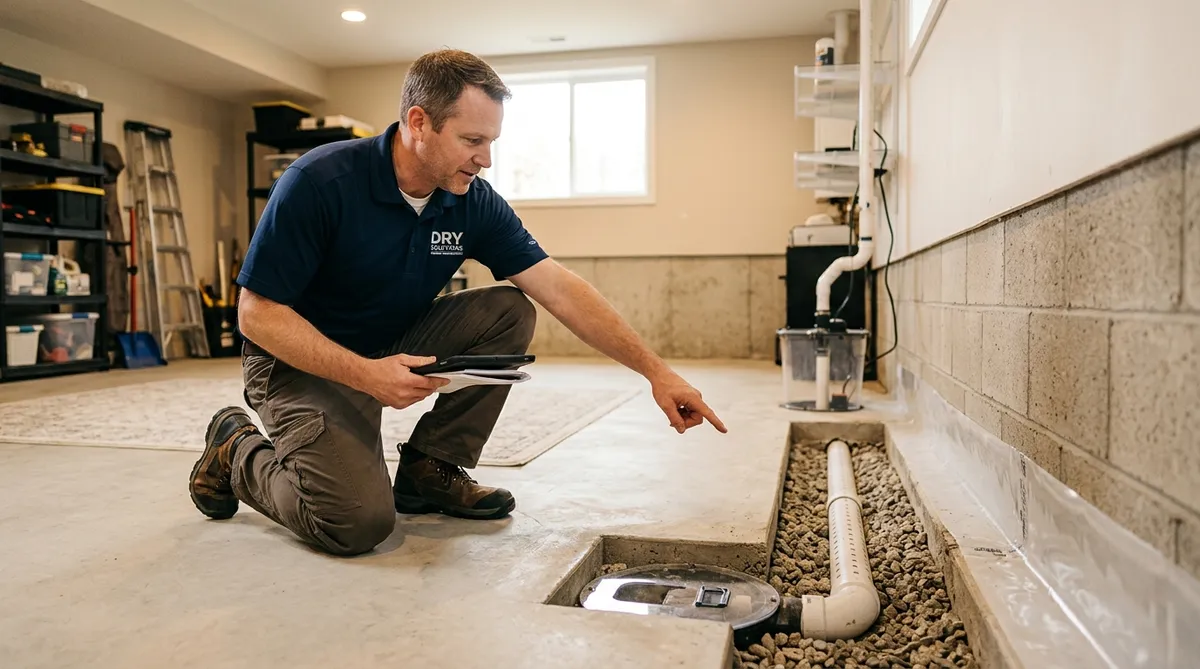
Unlicensed contractors? They might follow outdated practices or ignore codes entirely to speed things up. We've inspected homes where unlicensed roofers installed subpar flashing, leading to leaks that rotted beams and invited mold. Or think about plumbing: An unlicensed installer might use the wrong pipe materials, causing bursts that flood your basement and contaminate your water supply.
The fallout? Code violations can make your home unsellable. If an inspector flags issues during a future sale, you'll foot the bill for corrections—often at premium rates because it's reactive. In extreme cases, violations lead to fines from local authorities, and if injury occurs, you could face lawsuits for negligence.
Real-world example: A client hired an unlicensed electrician for a basement finish. The wiring didn't meet code, sparking a small fire that damaged the space. Insurance covered the fire but not the rewiring, costing an extra $15,000. Licensed work avoids this drama.
Tip for you: Insist on seeing the contractor's code compliance history or references from recent inspections. For major jobs like electrical or structural, hire a licensed inspector upfront to review plans—it's a small investment for big protection.
Permit Issues: Navigating the Red Tape That Can Derail Your Project
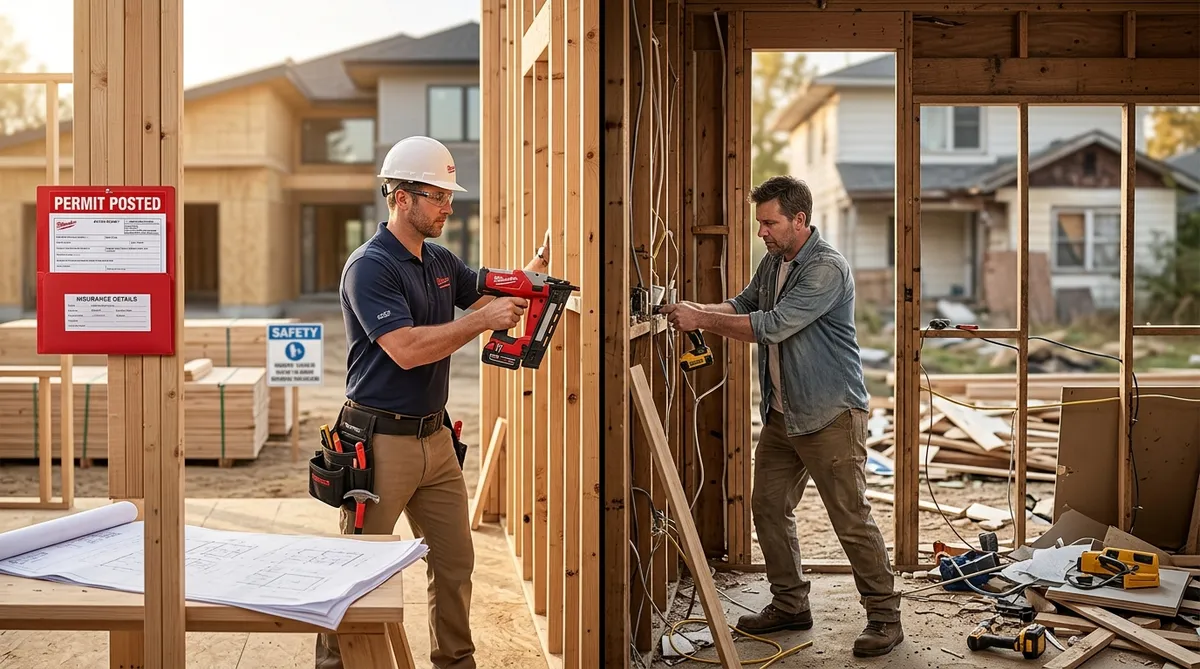
Permits are the government's way of ensuring work is safe and up to snuff. Licensed contractors know the local permitting process inside out—they pull permits, schedule inspections, and make sure everything passes before moving on.
Unlicensed contractors often dodge permits to avoid fees and scrutiny, telling homeowners it's 'no big deal.' But it is a big deal. Without permits, your project might violate zoning laws, leading to stop-work orders that halt progress and rack up delays. We've had to rescue jobs where unlicensed crews built additions without permits, only for the city to demand teardown because it encroached on setbacks.
Financially, unpermitted work tanks your home's value. Appraisers and lenders spot it during sales or refinances, potentially requiring costly retroactive permitting. And if disaster strikes—like a storm exposing unpermitted roof work—insurance won't touch it.
In one case we handled, an unlicensed team added a sunroom without permits. Years later, the homeowner tried to sell, and the buyer backed out after discovering the issue. Retroactive permits and reinforcements cost $20,000, plus lost sale time.
Practical steps: Use a licensed contractor who handles all permitting. If you're DIYing small stuff, check your local building department for what needs permits (usually anything structural, electrical, or over a certain value). Better safe than sorry.
Financial Risks: The True Cost of Cutting Corners
Let's talk money, because that's what hits hardest. Unlicensed contractors might quote 20-30% less, but hidden costs pile up fast. Poor workmanship leads to callbacks and repairs—our team often quotes fixes at 1.5 times the original unlicensed bid.
Then there are liens: Unlicensed pros might not pay their suppliers, who then place mechanic's liens on your property. You're stuck resolving it, even if you paid the contractor in full. Licensed contractors must follow payment laws, protecting you from this mess.
Warranty woes add insult: Licensed work often comes with guarantees tied to their license. Unlicensed? Good luck enforcing a verbal promise when they're gone.
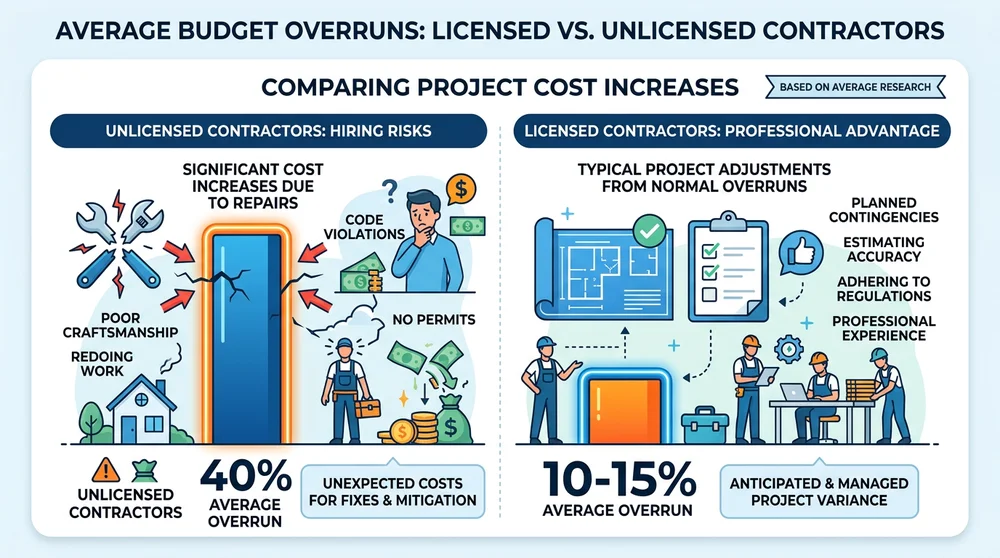
We've crunched numbers on past jobs: Homeowners who went unlicensed averaged 40% over budget due to fixes, versus 10-15% for licensed projects from normal overruns. The math doesn't lie—investing in licensing saves money long-term.
Advice: Get multiple bids from licensed contractors only. Use written contracts detailing scope, timeline, and payment schedules (never pay more than 10-20% upfront). Track everything to avoid disputes.
Spotting Red Flags and Hiring Smart
How do you avoid unlicensed pitfalls? Watch for signs: Cash-only demands, reluctance to provide references or licenses, vague contracts, or pressure to skip permits. Legit pros are transparent and professional.
To hire right, start with platforms like ContractorLink.pro for vetted, licensed matches. Check reviews on sites like the Better Business Bureau, and always interview multiple candidates. Ask about their licensing experience and how they handle issues.
One more pro tip: For complex jobs, get a home advisor or architect involved early. They can flag potential problems before work starts.
Why Licensing Wins Every Time
In the end, the stakes with unlicensed contractors are too high—your safety, finances, and home's integrity hang in the balance. We've fixed enough messes to know that licensed pros deliver quality that lasts, without the drama. Next time you're tackling a project, remember: A license isn't just a credential; it's your shield against the unknown. Choose wisely, and your home will thank you.