How to Prepare Your Home for a Technician Visit: Simple Steps to Save Time and Money
As seasoned contractors who've seen it all—from overflowing garages to elusive water shutoffs—we know that a little prep goes a long way. When you call in a pro for plumbing, electrical, HVAC, or any home repair, the last thing you want is delays that rack up your bill. By taking simple steps to ready your space, you not only speed up the process but also help the technician work more efficiently and safely. In this post, we'll walk you through essential preparations that homeowners can tackle in under an hour. These tips come straight from the pros at ContractorLink.pro, designed to make your next service call a breeze.
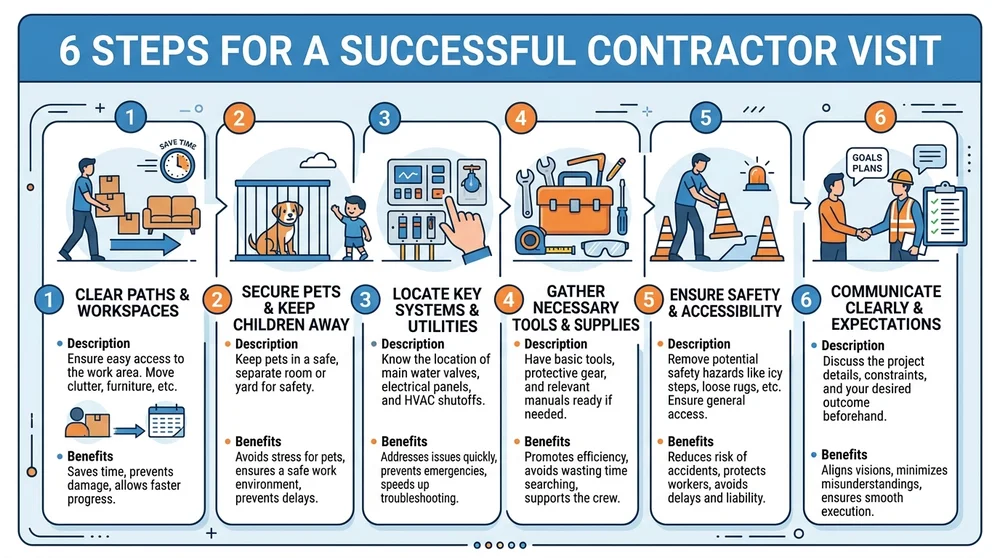
Clear Access Paths for Smooth Entry
One of the biggest time-suckers for technicians is navigating cluttered spaces. Imagine a plumber lugging heavy tools through a hallway stacked with boxes—it's not just frustrating; it can lead to accidents or overlooked issues. Start by creating a clear path from the entry door to the problem area.
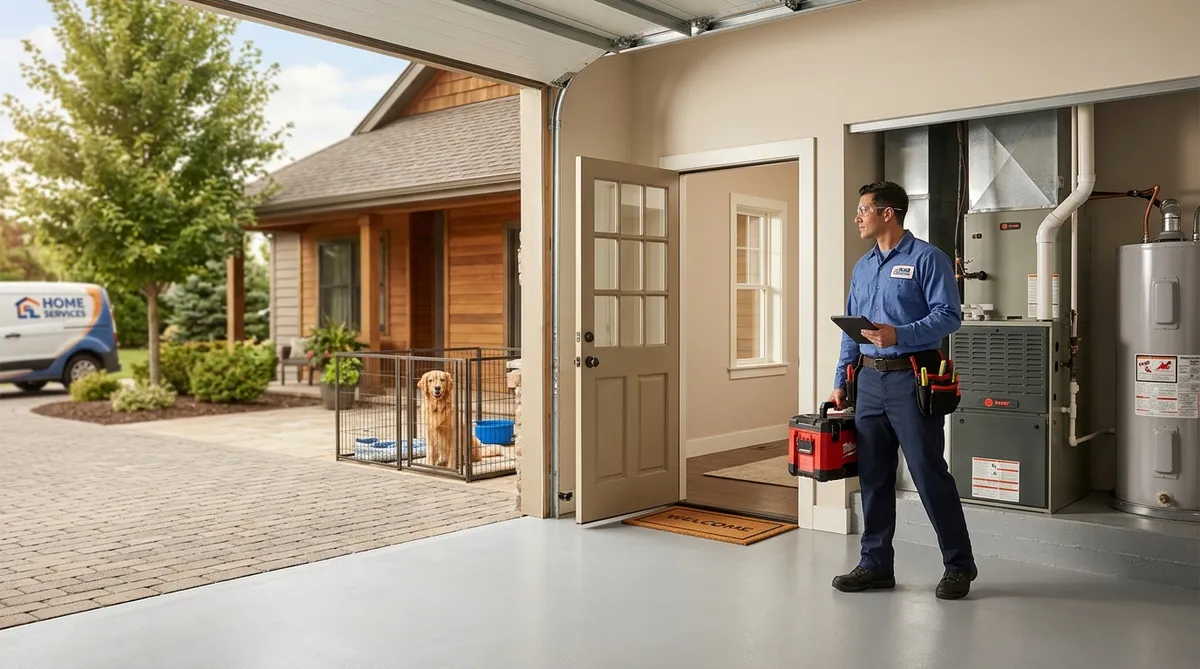
First, declutter the immediate entrance. Move shoes, bags, or furniture away from the front door so the tech can walk in without tripping. If the issue is in a specific room, like the basement for a sump pump check or the attic for wiring, sweep the floor and remove any obstacles. For outdoor access, such as to an AC unit or gas meter, trim back overgrown bushes or clear snow/ice in winter to avoid slips.
Pro tip: If you're dealing with a multi-story home, ensure stairs are free of toys, laundry baskets, or cords. This not only saves time but reduces liability—technicians carry insurance, but a clear path prevents on-the-job injuries that could delay service. Homeowners who've prepped like this often report visits wrapping up 20-30% faster, keeping labor costs down.
Secure Your Pets to Keep Everyone Safe
Pets are family, but they can turn a routine visit into chaos. A barking dog or curious cat might distract the tech, hide in work zones, or even get underfoot during delicate tasks like electrical repairs. Securing them ahead of time shows respect for the technician's focus and protects your furry friends.
If you have dogs, crate them in a quiet room away from the work area or ask a neighbor to watch them during the visit. For cats, confine them to a bedroom with litter box and water. Birds or small animals should be in carriers if they're prone to escaping. Always inform the technician about your pets upfront—many are animal lovers, but surprises can startle everyone.
From our experience, pet-related interruptions add at least 15 minutes to jobs. One contractor shared a story of a loose hamster delaying an HVAC tune-up because it scampered into the ductwork! By planning pet care, you ensure the tech stays on task, potentially shaving dollars off your invoice.
Locate and Document Your Home Systems
Nothing frustrates a technician more than hunting for breakers, valves, or panels. Knowing where your key systems are—and having that info handy—empowers you to assist without getting in the way. This prep step is especially crucial for older homes where layouts might not be intuitive.
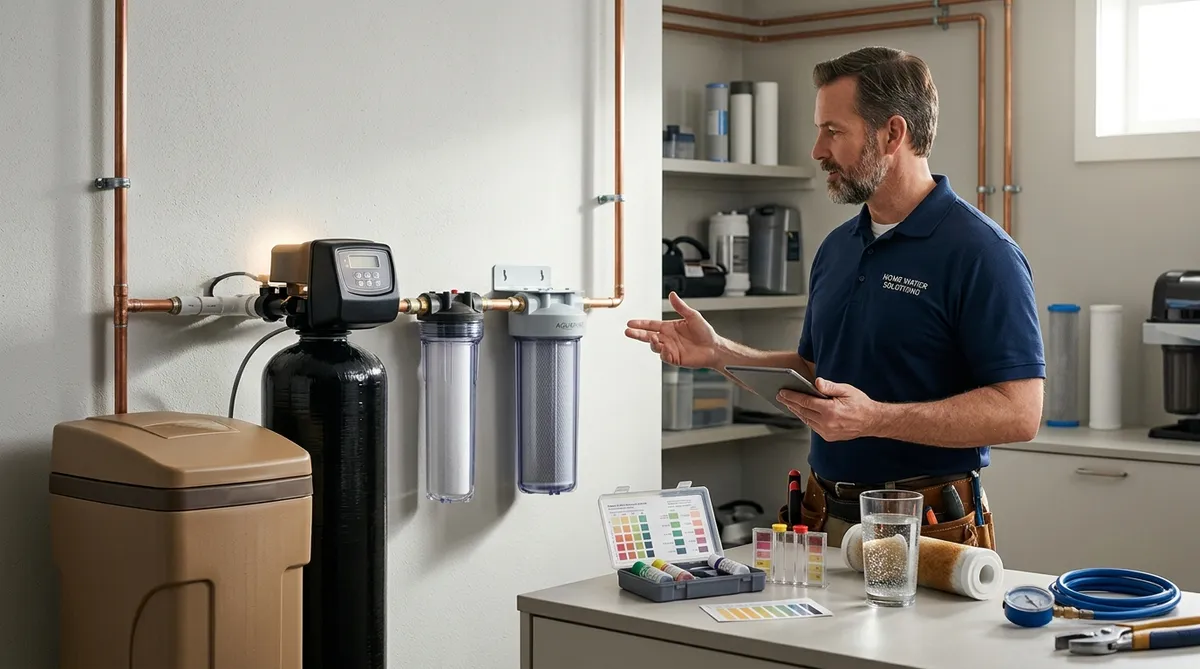
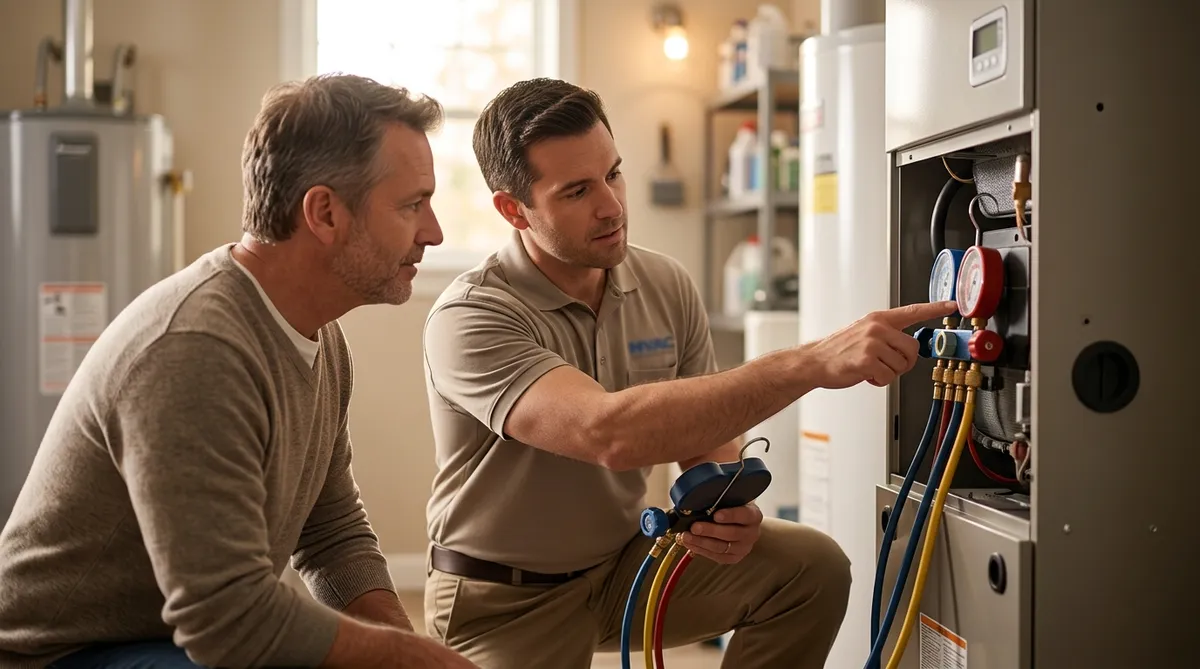
Start with your electrical panel. Locate the main breaker box (often in the garage, basement, or utility room) and label any tricky circuits if possible. For plumbing, find the main water shutoff valve—typically near the water meter or where the supply enters the house—and test it occasionally to ensure it works. HVAC systems? Note the furnace or air handler's location, and if accessible, clear dust around vents.
Take it further by snapping photos or sketching a quick home map. Apps like HomeZada or a simple notebook work great for this. If you're unsure, a quick walk-through with a family member can confirm spots. During the visit, sharing this info lets the tech dive right in— we've seen diagnostics cut in half when homeowners point out the water heater in a hidden closet, avoiding wasted search time.
Gather Tools, Manuals, and Warranty Info
Technicians arrive equipped, but having basics on hand can prevent back-and-forth trips to the hardware store. Plus, pulling out manuals or warranties upfront streamlines troubleshooting and might even reveal covered repairs, saving you money.
Compile a 'home service kit': Include flashlights, extension cords, a step ladder (if safe for you to use), and basic tools like screwdrivers. For appliances or systems under warranty, dig out the paperwork—model numbers, installation dates, and serials speed up parts identification. If it's a recurring issue, jot down symptoms: When did the leak start? Any error codes on the thermostat?
Our pros recommend keeping digital copies on your phone for easy access. This preparation has turned potential all-day jobs into quick fixes; for instance, providing the AC manual helped one tech bypass a faulty part lookup, resolving the issue on-site instead of rescheduling.
Ensure Safety and Cleanliness in Work Areas
Safety first—for you, the tech, and your home. A tidy, hazard-free zone minimizes risks like slips on wet floors or exposure to fumes. Cleanliness also helps spot issues early, like mold behind a clogged drain.
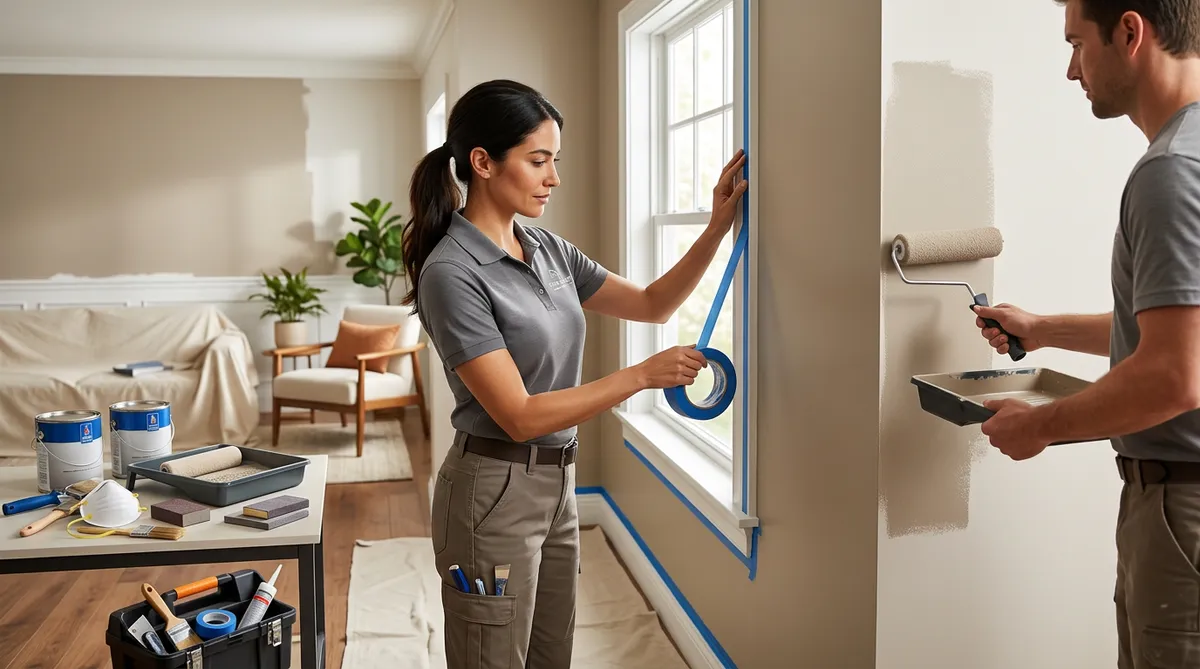
Ventilate the area if it's a smelly plumbing job or dusty electrical work—open windows and turn on fans. Cover nearby furniture or floors with drop cloths to protect from debris. If asbestos or lead is a concern in older homes (pre-1980s), mention it so the tech can take precautions. For gas appliances, ensure no open flames nearby.
Don't forget childproofing: Lock away medications or sharp objects if kids are around. A clean space not only aids efficiency but can prevent add-on costs from accidental damage. Contractors note that prepared homes see fewer 'oops' moments, leading to smoother, cheaper visits.
Communicate Clearly with Your Technician
Prep isn't just physical—it's about setting expectations. A quick call or email before arrival can align everyone, reducing misunderstandings that lead to extra charges.
Share details: Exact address (including unit numbers for apartments), preferred entry (front or garage door code), and any mobility issues for the tech to plan tools. Mention allergies, no-smoking rules, or quiet hours. If multiple people are home, designate a point person to avoid confusion.
Post-arrival, ask about the plan but let them lead. This collaboration fosters trust and often uncovers upsell opportunities you actually need, like a filter change during an AC service. Effective communication has saved clients hours; one homeowner avoided a full rewiring by clarifying the flickering light was just a loose bulb.
Why These Steps Pay Off Big Time
Investing 30-60 minutes in prep can slash service time by up to an hour, directly impacting your wallet—labor often bills by the quarter-hour. Beyond savings, it builds a positive rapport with pros, potentially leading to better rates on future jobs. At ContractorLink.pro, we've connected thousands of homeowners with reliable techs, and those who prepare rave about the efficiency.
Remember, you're not expected to be a DIY expert; these are simple actions anyone can take. Next time you schedule a visit, run through this checklist. Your home—and your budget—will thank you. For more tips from the pros, keep reading The Pipeline.
(Word count: 1187)