Hard Water Havoc: How Mineral Buildup Wrecks Your Pipes, Appliances, and Water Heater
Understanding Hard Water and Its Sneaky Damage
As a homeowner, you've probably heard the term 'hard water' thrown around, but do you really know what it means for your pipes, appliances, and water heater? Hard water is simply water with high levels of dissolved minerals, primarily calcium and magnesium. These minerals are harmless to drink, but when they build up in your home's systems, they can cause serious issues. Over time, this mineral accumulation—known as scale—clogs pipes, reduces efficiency in appliances, and leads to premature failures. The result? Shorter equipment life and higher energy bills that hit your wallet hard.
In this post, we'll break down exactly how hard water wreaks havoc on your home and share pro tips to combat it. Drawing from years of on-the-job experience fixing these exact problems, we're here to help you spot the signs and take action before it's too late.
What Causes Hard Water and Mineral Buildup?
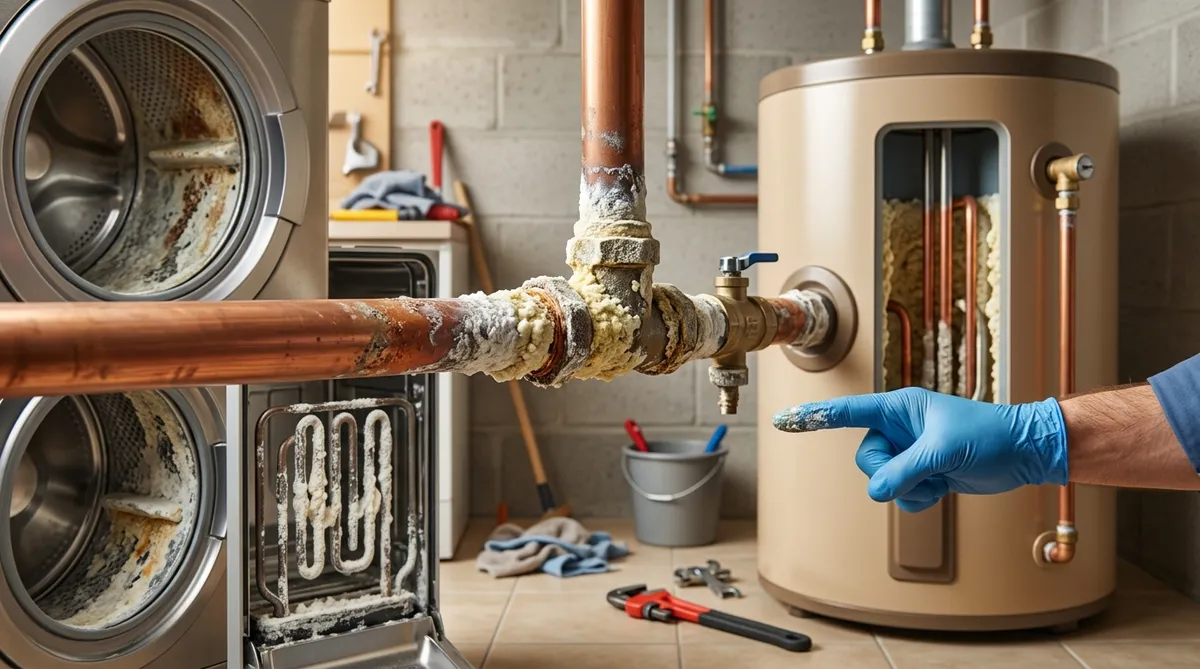
Hard water occurs naturally in many areas, especially where water sources pass through limestone or chalk deposits. When water heats up—whether in your water heater, dishwasher, or washing machine—the dissolved minerals come out of solution and form limescale. This white, chalky buildup sticks to surfaces like a stubborn barnacle.
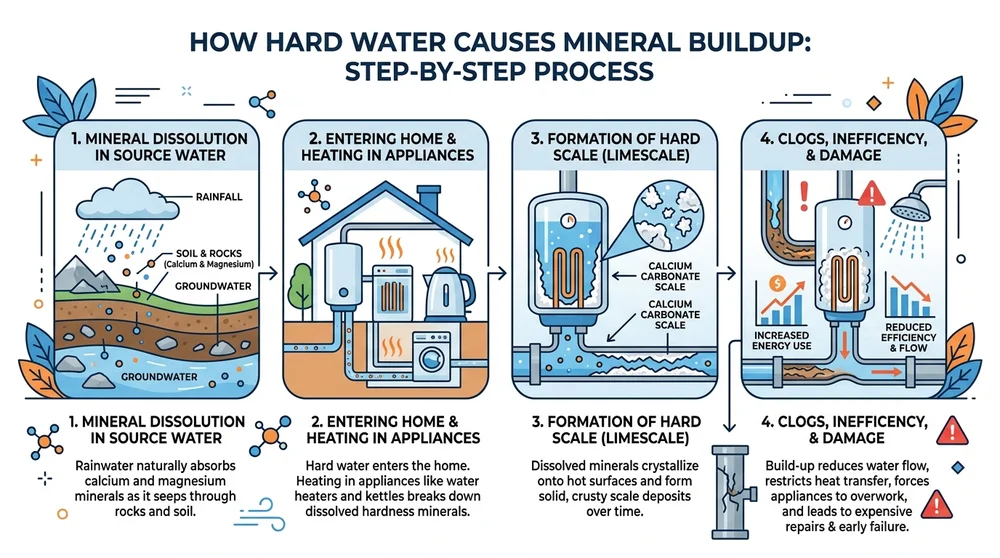
Think of it like this: Every time hot water flows through your pipes or appliances, it's depositing a thin layer of minerals. Over months or years, these layers thicken, narrowing pathways and insulating heating elements. In regions with very hard water (measured in grains per gallon or parts per million), this process accelerates dramatically. For instance, water over 7 grains per gallon is considered hard, and anything above 10 is very hard—common in places like the Midwest or Southwest U.S.
Homeowners often ignore it until something breaks, but proactive testing is key. Grab a simple water hardness test kit from your local hardware store for under $10. If levels are high, you're looking at potential trouble ahead.
The Toll on Your Pipes: Clogs, Leaks, and Reduced Flow
Pipes are the unsung heroes of your home, quietly delivering water where you need it. But hard water turns them into victims of slow-motion sabotage. Mineral scale builds up inside pipes, especially in hot water lines where temperatures encourage deposition. This narrows the diameter, reducing water pressure throughout your home.
Imagine trying to sip through a straw that's gradually getting clogged—that's your faucets and showers. Low pressure isn't just annoying; it forces your water heater and pumps to work harder, spiking energy use. Worse, the buildup creates rough surfaces that can harbor bacteria and lead to corrosion in metal pipes.
In severe cases, scale can cause pipes to burst or leak. We've seen galvanized steel pipes in older homes turn into brittle, scale-encrusted relics after just a decade of hard water exposure. Copper pipes fare better but still suffer from pinhole leaks where scale accelerates wear.
Pro Tip: Inspect your pipes annually. Look for white crust around faucets or reduced flow in showers. If you notice issues, consider flushing your system with a vinegar solution (1:1 white vinegar and water) run through the lines for an hour. For persistent problems, a professional plumber can hydro-jet your pipes to blast away buildup without harsh chemicals.
The lifespan impact is real: Untreated hard water can shorten pipe life by 20-30%, turning a 50-year system into a 30-year headache and costly replacement project.
Appliances Under Siege: From Dishwashers to Washing Machines
Your everyday appliances are prime targets for hard water damage. Take the dishwasher: Minerals coat the heating element and spray arms, making it less efficient at cleaning and heating. Dishes come out spotty, and the unit runs longer cycles to compensate, jacking up your electricity bill by up to 30%.
Washing machines face similar woes. Scale buildup in the drum and hoses reduces water flow, leading to uneven cleaning and more wear on the motor. Over time, this shortens the machine's life from 10-15 years to as little as 7. We've replaced countless washers where owners chalked it up to 'old age,' but a quick water test revealed hard water as the culprit.
Coffee makers, irons, and even refrigerators with ice makers aren't immune. Scale insulates heating coils, forcing them to draw more power. A study by the U.S. Department of Energy notes that hard water can increase appliance energy consumption by 20-40%, translating to hundreds of extra dollars annually for the average household.
Practical Advice: Clean appliances monthly with a descaling solution. For washing machines, run an empty hot cycle with two cups of white vinegar. Dishwashers benefit from a vinegar rinse cycle—place a bowl of it on the top rack and run on hot. If you're buying new appliances, opt for models with built-in scale-resistant features, like stainless steel interiors.
Addressing hard water early can extend appliance life by years and keep your energy bills in check.
Water Heater Woes: The Hidden Energy Vampire
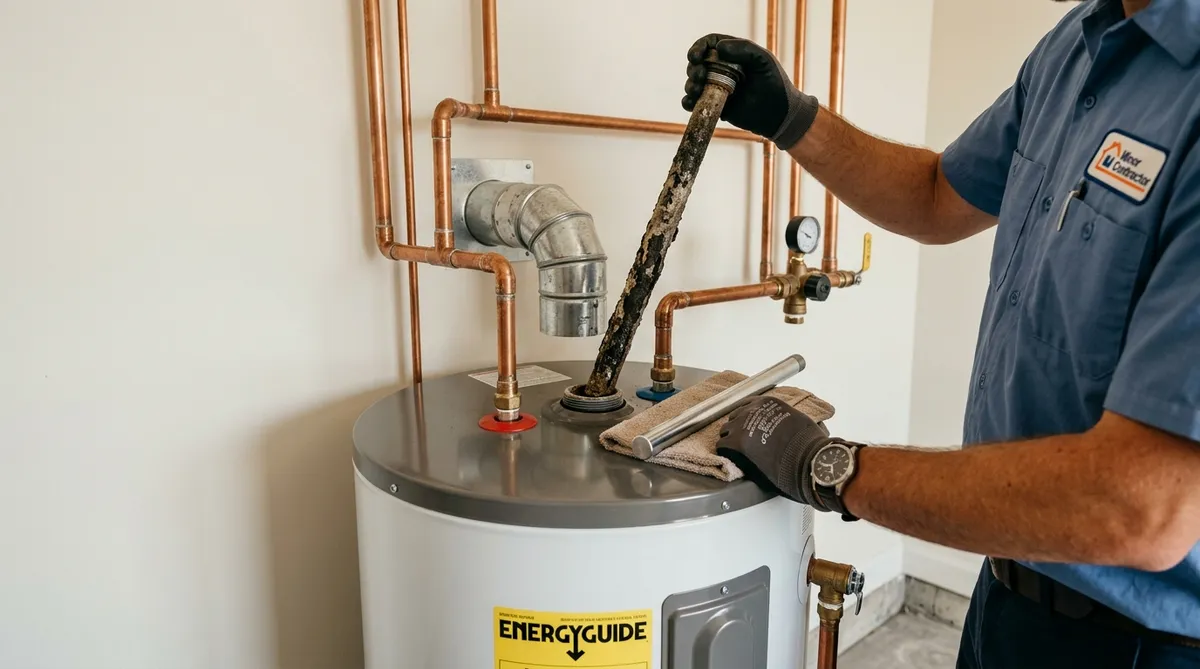
Your water heater is ground zero for hard water damage. The tank's heating elements or coils are constantly exposed to hot water, making them magnets for scale. As buildup forms, it acts like insulation, forcing the burner or elements to work overtime to reach the set temperature.
This inefficiency is a double whammy: It shortens the heater's lifespan and drives up costs. A typical electric water heater might last 10-15 years, but hard water can cut that to 5-8 years. Gas models suffer too, with sediment clogging the bottom of the tank and reducing flame efficiency.
Energy-wise, scale can increase operating costs by 20-50%. If your heater is cycling more frequently or you're noticing lukewarm showers, scale is likely the thief stealing your comfort and cash. In extreme cases, overheating elements can lead to failures, flooding, or even fire hazards.
Contractor Insight: Flush your water heater every six months. Turn off the power or gas, attach a hose to the drain valve, and flush until the water runs clear. Add a tablespoon of dish soap to help loosen sediment. For tankless heaters, which are popular for efficiency, annual descaling by a pro is essential—DIY attempts can void warranties.
Installing a water softener upstream can prevent most of this damage, potentially saving you $100-200 yearly on energy alone.
Spotting the Signs: Is Hard Water Affecting Your Home?
Don't wait for a breakdown to act. Common red flags include:
- White, crusty deposits around faucets and fixtures (that's limescale).
- Spots on dishes and glassware after washing.
- Reduced water pressure or noisy pipes.
- Higher-than-usual utility bills without increased usage.
- Soap that doesn't lather well or leaves residue on skin and hair.
If you see two or more of these, test your water. Local water reports from your utility can give a baseline, but home tests are more precise for point-of-use issues.
Fighting Back: Solutions to Soften the Blow
The best defense is a good offense. Water softeners are the gold standard—they use ion exchange to swap calcium and magnesium for sodium, preventing scale formation. Whole-house units cost $500-2,000 installed, but they pay for themselves in energy savings and fewer repairs.
For budget-friendly options, try magnetic or electronic descalers ($100-300), which alter mineral behavior without chemicals. They're less effective but easy to install. Natural alternatives like citric acid cleaners work for maintenance.
Regular upkeep is crucial: Clean aerators and showerheads monthly by soaking in vinegar. Use high-efficiency detergents formulated for hard water. And if you're remodeling, consider PEX piping—it's more resistant to scale than copper or PVC.
In our experience, homes with softeners see 25-40% longer equipment life and noticeably lower bills. It's an investment that pros always recommend for hard water areas.
Wrapping Up: Protect Your Home from Hard Water's Grip
Hard water might seem like an invisible foe, but its mineral buildup is a tangible threat to your pipes, appliances, and water heater. By causing clogs, inefficiency, and wear, it shortens lifespans and inflates energy costs—issues we've fixed in countless homes. Spot the signs early, maintain diligently, and consider softening solutions to keep your system running smoothly.
With these pro tips, you're equipped to tackle hard water head-on. Your home—and your wallet—will thank you for it.