Why Does My Water Heater Smell Like Rotten Eggs? The Anode Rod and Bacteria Explained
If you've ever turned on your hot water faucet only to be hit with a whiff of rotten eggs, you're not alone. This sulfur-like odor is a common complaint among homeowners, and it's usually tied to your water heater. As pros at ContractorLink.pro, we've seen this issue countless times, and the good news is that it's often fixable without a full overhaul. In this post, we'll break down the culprits—primarily the anode rod and sulfate-reducing bacteria—explain why they cause the smell, and guide you through diagnosing and resolving it. Whether it's a quick DIY tweak or a signal for bigger problems, you'll know what to do next.
Understanding the Rotten Egg Smell: Hydrogen Sulfide at Work
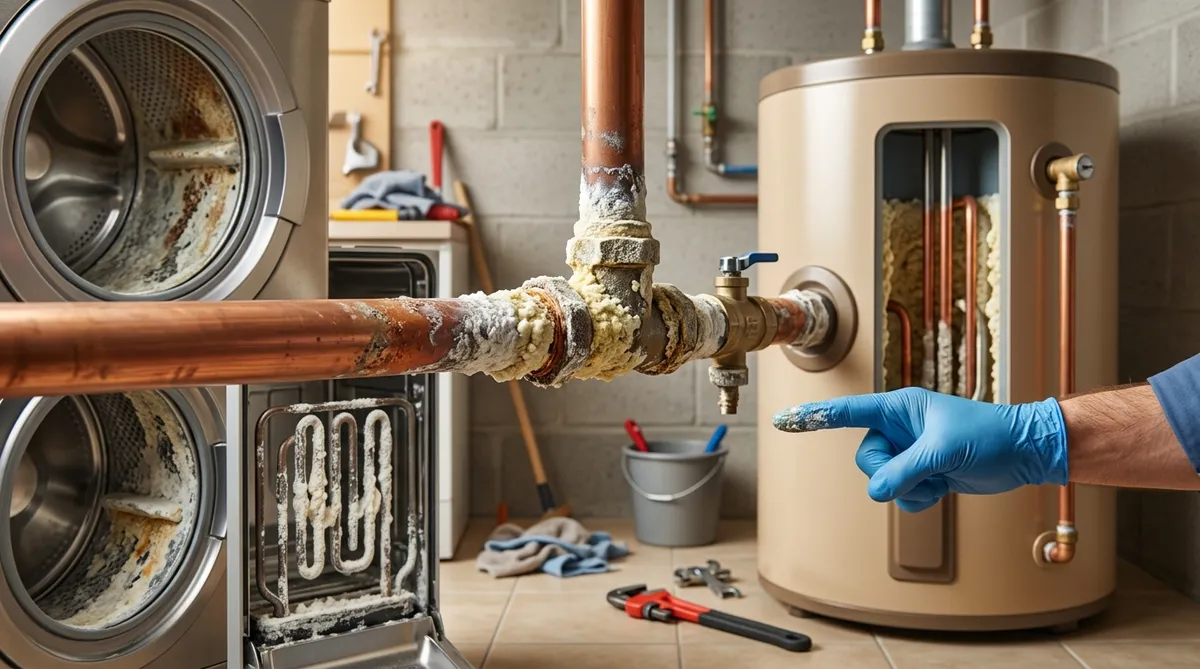
The culprit behind that pungent aroma is hydrogen sulfide (H2S) gas, which smells just like rotten eggs. This gas forms when certain bacteria interact with the sulfur compounds naturally present in your water supply or within your water heater. Unlike cold water, which rarely smells this way, the heat from your water heater accelerates the process, making the odor most noticeable in showers, dishwashing, or laundry.
Water heaters, whether tank-style or tankless, create a warm, oxygen-poor environment that's perfect for bacteria to thrive. But it's not always the bacteria alone; the water heater's internal components play a starring role. Let's dive into the two main causes: the anode rod and bacterial buildup.
The Anode Rod: Your Water Heater's Unsung Hero Turned Smelly Villain
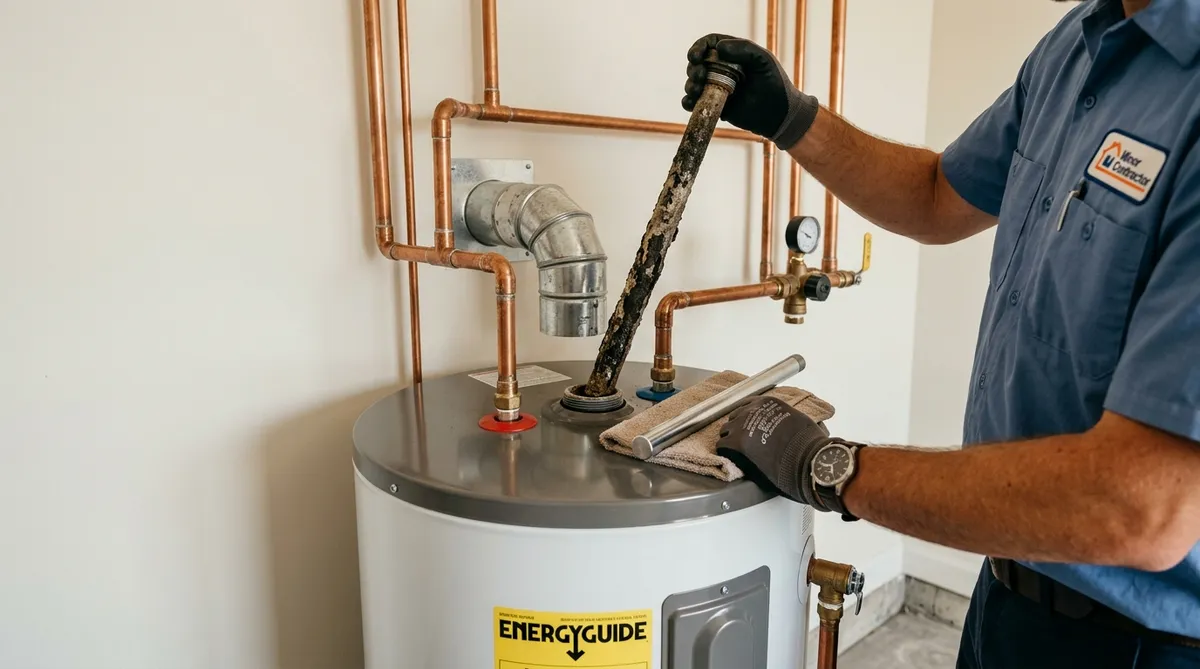
Every conventional tank water heater has an anode rod, often called a sacrificial rod because it corrodes over time to protect the tank from rust. Made primarily of magnesium, aluminum, or sometimes zinc, the anode rod works by attracting corrosive elements in the water to itself, sparing the steel tank.
Here's where things get smelly: Magnesium anode rods can react with water, especially in soft water areas or when the rod is depleted, producing hydrogen sulfide as a byproduct. If your rod is old or nearly dissolved—typically after 3-5 years of use—it loses its protective coating and starts reacting more aggressively, releasing that eggy gas.
Signs Your Anode Rod Is the Problem
- The smell is strongest in hot water only.
- Your water heater is 5+ years old.
- You notice sediment or cloudy water, indicating corrosion.
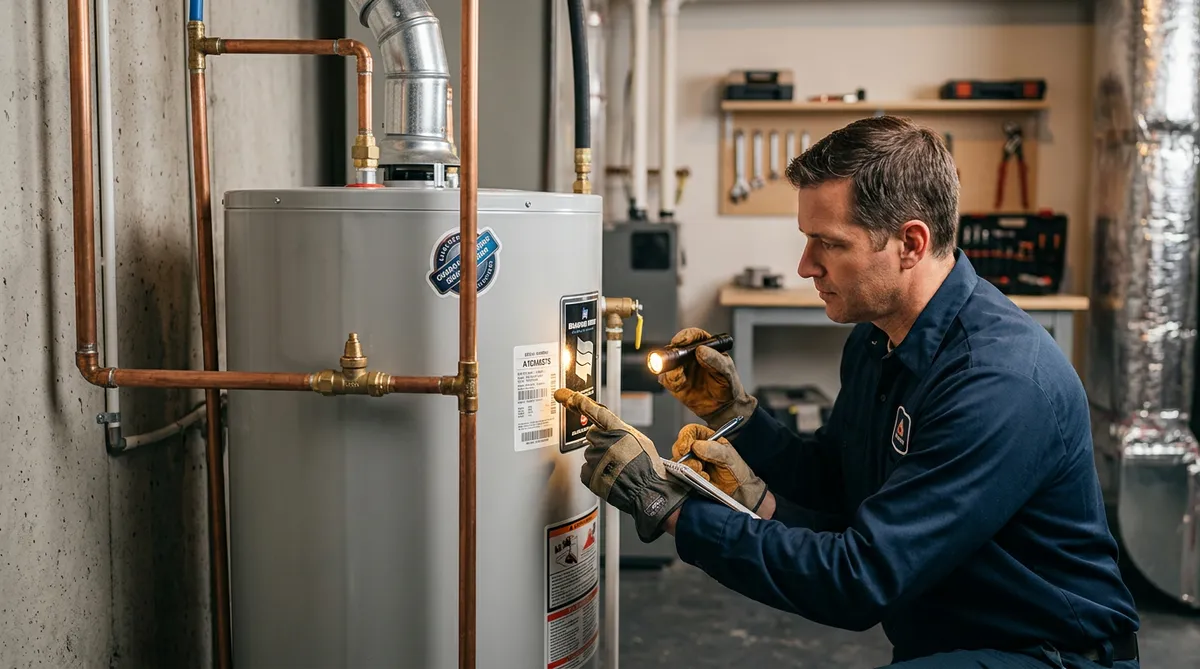
Inspecting the anode rod is straightforward but requires caution. Turn off the power or gas to the heater, shut off the cold water supply, and attach a hose to the drain valve to empty some water. Use a socket wrench to unscrew the rod from the top of the tank (after removing the plastic cap). If it's pitted, flaky, or less than half its original length (usually 3-4 feet), it's time for replacement.
Replacing the anode rod is a DIY-friendly task for handy homeowners. Opt for an aluminum or zinc rod if magnesium caused issues before—these are less reactive and produce fewer odors. Coat the threads with pipe dope or Teflon tape, screw it in snugly (but not overly tight to avoid damaging the tank), and refill the system. Expect to spend $20-50 on a new rod, and the whole job takes about an hour. If you're not comfortable, a licensed plumber can do it for under $200.
Bacteria Buildup: The Microbial Menace in Your Tank
Even with a healthy anode rod, sulfate-reducing bacteria (like Desulfovibrio) can colonize your water heater. These microbes feed on sulfates in the water and produce hydrogen sulfide as waste. They're more common in well water or areas with high mineral content, and the stagnant, warm conditions inside the tank (around 120-140°F) are ideal for growth.
Unlike anode rod issues, bacterial smells might appear intermittently or after periods of low water use, like vacations. The good news? This is often a simpler fix than replacement.
Diagnosing Bacterial Growth
To confirm bacteria, check if the smell persists after running hot water for a few minutes (which might flush out temporary buildup). You can also test your water for sulfates or bacteria at a lab—kits cost about $50 online. If cold water smells fine but hot doesn't, it's likely the heater.
Simple Fixes: Flushing and Sanitizing Your Water Heater
Most rotten egg smells can be resolved with basic maintenance. Start with flushing the tank to remove sediment and bacteria. This should be done annually anyway to extend your heater's life.
Step-by-Step Flushing Guide
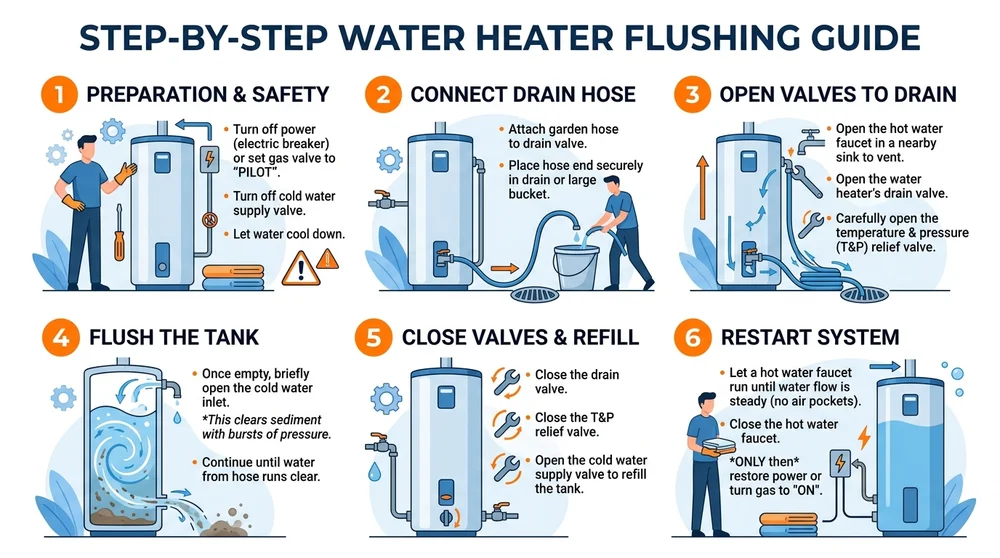
- Prep Work: Turn off the power (electric) or gas supply (gas heater). Close the cold water inlet valve.
- Drain the Tank: Connect a garden hose to the drain valve at the bottom and run it to a floor drain or outside. Open the valve and let the tank empty. If sediment is thick, you might hear gurgling— that's normal.
- Flush Thoroughly: Once drained, turn the cold water back on briefly in pulses to stir up debris, then drain again. Repeat until the water runs clear.
- Refill and Purge Air: Close the drain valve, open the inlet, and let the tank refill. Open a hot water faucet to bleed air until the flow is steady.
- Restart: Restore power or gas, and set the temperature to 120°F to avoid scalding while testing.
Flushing alone might eliminate the smell if it's mild sediment-related. For stubborn bacterial issues, follow up with sanitization.
Chlorinating to Kill Bacteria
A simple shock treatment with chlorine bleach can wipe out the bacteria. Use unscented household bleach (5-6% sodium hypochlorite).
- Calculate Dosage: For a 40-50 gallon tank, use 4-6 cups of bleach. Adjust proportionally for larger tanks.
- Add and Circulate: With the tank warm but not hot, pour the bleach down the anode rod opening or through the hot water outlet (after shutting off the heater). Let it sit for 6-8 hours or overnight.
- Flush Again: Drain and flush as above, multiple times, until no chlorine smell remains. Run all hot water faucets in the house to clear the lines.
This method is effective 80% of the time for bacterial smells and costs pennies. Avoid over-chlorinating to prevent damaging the anode rod further.
If the smell returns within weeks, it could indicate ongoing issues like high sulfate levels in your water—consider a water softener or filter.
When the Smell Signals Replacement Time
Not every odor is a quick fix. If your water heater is over 10-15 years old, or if you've replaced the anode rod multiple times without success, the smell might point to deeper corrosion inside the tank. Leaking tanks, inconsistent heating, or rusty water are red flags.
Other signs it's time for a new unit:
- The smell persists after flushing, sanitizing, and rod replacement.
- Your energy bills are spiking due to inefficiency.
- You hear banging or popping noises (indicating heavy sediment).
Modern water heaters are more efficient and less prone to smells, especially those with powered anode rods that use electricity to prevent corrosion without producing hydrogen sulfide. Expect to pay $800-2,000 for installation, depending on size and type (gas vs. electric, tank vs. tankless). A pro assessment is key here—don't delay, as a failing heater can lead to floods or contaminated water.
Prevention Tips: Keep the Smells at Bay Long-Term
Prevention is easier than cure. Here are pro tips to maintain your water heater:
- Annual Maintenance: Flush the tank yearly and inspect the anode rod every 2-3 years.
- Temperature Control: Set your thermostat to 120°F—hot enough for comfort, cool enough to slow bacterial growth.
- Water Quality Check: If on well water, test annually for sulfates and bacteria. Install a sediment filter or whole-house softener if needed.
- Upgrade Choices: When replacing, choose a water heater with an aluminum anode or one certified for low-odor operation.
- Vacation Prep: Before long trips, run hot water and consider lowering the temp to starve bacteria.
By staying proactive, you can avoid the rotten egg surprise altogether and extend your water heater's lifespan to 10-15 years.
In summary, that unpleasant smell is usually the anode rod or bacteria waving a flag for attention. With the steps outlined, most homeowners can tackle it DIY-style. If it persists or your unit shows age, consult a licensed contractor through ContractorLink.pro for peace of mind. Fresh, odor-free hot water is just a maintenance routine away.