Furnace Replacement vs. Repair: Key Signs and Smart Decisions for Homeowners
As winter approaches and the chill sets in, your furnace becomes the unsung hero keeping your home cozy. But what happens when it starts acting up? That nagging question arises: should you repair the old reliable or invest in a shiny new replacement? We've been in the trenches fixing and installing furnaces for years, and we've seen it all—from minor tweaks that extend a unit's life to major red flags signaling it's time for an upgrade. In this post, we'll walk you through the practical indicators, cost breakdowns, and pro tips to help you decide without second-guessing.
Deciding between repair and replacement isn't just about the immediate fix; it's about long-term comfort, efficiency, and your wallet. A furnace typically lasts 15-20 years with proper care, but factors like usage, maintenance, and even your home's size play into its lifespan. Let's dive into the details so you can make a choice that's right for your home.
Understanding Your Furnace's Age and Condition
First things first: how old is your furnace? If it's pushing 15 years or more, you're in the replacement zone more often than not. Older units, especially those from the pre-2000 era, guzzle energy and lack modern safety features. Check the manufacturing date on the unit's label—it's usually stamped on the side or inside the door.
Age alone isn't the full story. Assess the overall condition. Has it been regularly maintained? Annual tune-ups catch small issues before they snowball. If you've skipped services, even a younger furnace might be on its last legs. Look for signs like unusual noises—rattling, banging, or squealing could mean loose parts or failing components. A pro tip: if your furnace is over 10 years old and requires a major repair, like a new heat exchanger (which can cost $1,500-$3,000), it's often smarter to replace the whole system. Why pour money into a unit that's nearing retirement?
Common Signs It's Time for a Replacement
We've all been there—waking up to a lukewarm house on a frosty morning. Here are the telltale signs that repair won't cut it anymore:
Poor Heating Performance: If rooms feel unevenly warm or it takes forever to reach your set temperature, the furnace might be losing efficiency. Modern units heat faster and more evenly, often with variable-speed blowers that adjust to your needs.
Rising Energy Bills: A sudden spike in heating costs? Your old furnace could be working overtime due to inefficiency. New models boast AFUE ratings (Annual Fuel Utilization Efficiency) of 90% or higher, compared to 60-70% for older ones. That means more of your dollar goes to heat, not exhaust.
Frequent Breakdowns: One repair a season is normal, but if you're calling pros multiple times a year, the cumulative costs add up. It's like patching a leaky boat—eventually, you need a new vessel.
Safety Concerns: Carbon monoxide leaks, cracked heat exchangers, or faulty ignition systems are non-negotiable. If your detector beeps or you smell gas, shut it off and call a licensed technician immediately. Replacing is the safest bet here.
Inconsistent Airflow or Strange Odors: Weak airflow might indicate a clogged filter or failing blower motor. Musty smells could signal mold in the ducts, but if it's coming from the furnace itself, it might be burning dust or worse.
If three or more of these hit home, lean toward replacement. A quick diagnostic from a ContractorLink.pro-connected HVAC specialist can confirm—many offer free assessments.
When Repairs Are Still Worth It
Not every hiccup means a full swap. Sometimes, a targeted repair breathes new life into your system, especially if it's under 10 years old and well-maintained. Here's when to opt for fixes:
Minor Issues: Things like a dirty filter, faulty thermostat, or worn-out belts are cheap and quick. Replacing a filter yourself costs under $20 and can be done in minutes—pop out the old, slide in the new, and ensure it's the right size for your unit.
Seasonal Tune-Ups: Even if it's running fine, schedule an annual inspection. Pros clean the burners, check electrical connections, and lubricate moving parts. This prevents 80% of breakdowns and keeps warranties intact.
Cost-Effective Parts: If the repair runs under $500 and your furnace is relatively young, go for it. For example, a new control board might run $300-$600, but it could add years to the unit's life.
Our advice: get quotes for both repair and replacement. If the repair cost exceeds 50% of a new unit's price, replacement usually wins out financially over time.
Crunching the Numbers: Cost Comparison
Money talks, so let's break it down. The average cost to repair a furnace ranges from $100 for simple fixes to $2,000 for major ones like a new blower motor. On the flip side, a new furnace installation averages $3,000-$7,000, depending on size, type (gas, electric, oil), and efficiency rating.
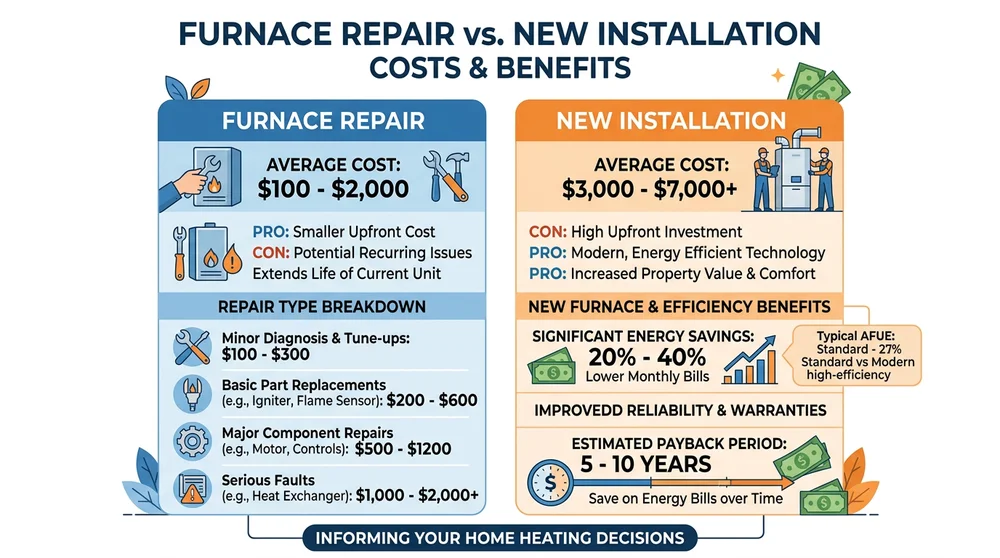
Don't forget ongoing savings. A high-efficiency model could slash your energy bills by 20-40%, paying for itself in 5-10 years. Factor in rebates too—many utility companies and governments offer incentives for ENERGY STAR-rated units. For instance, upgrading to a modulating furnace that adjusts output precisely can save hundreds annually.
Installation matters: DIY is a no-go for safety and code reasons. Hire a licensed pro to ensure proper sizing—too small, and it strains; too big, and it short-cycles, wasting energy. Get multiple bids through platforms like ContractorLink.pro to compare apples to apples.
Energy Efficiency and Modern Features
Today's furnaces aren't just heaters; they're smart systems. Consider these perks when replacing:
Variable-Speed Technology: Runs at lower speeds for better humidity control and quieter operation.
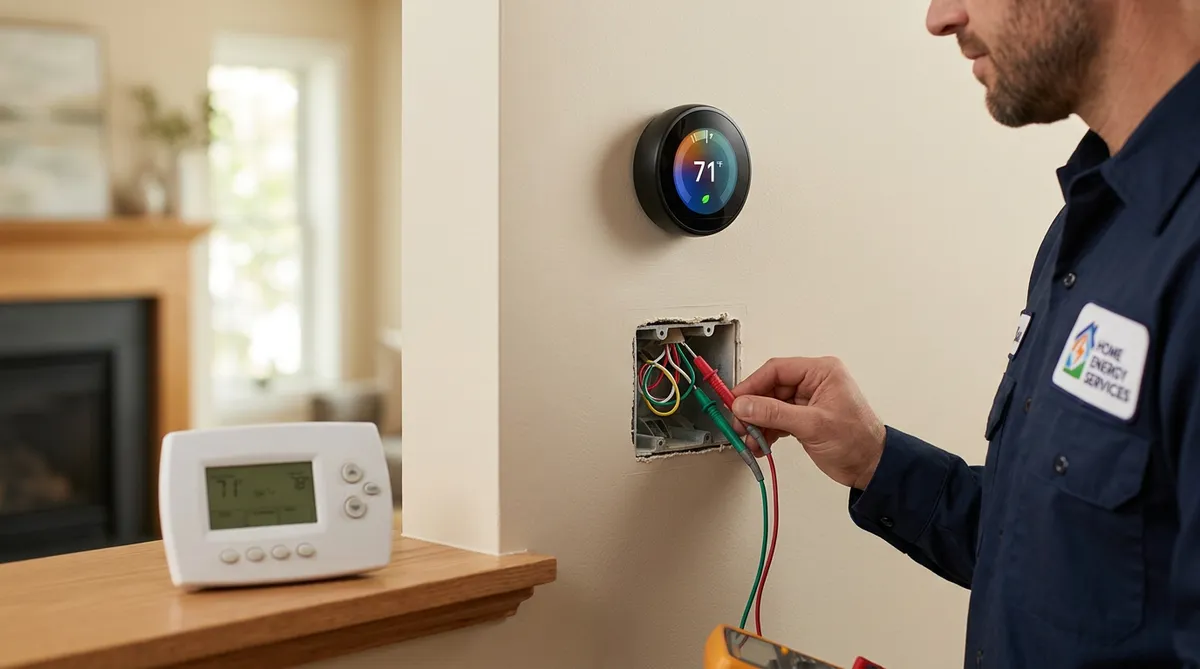
Smart Thermostats: Integrate with apps for remote control and learning your habits—saving up to 10% on bills.
Zoning Systems: Heat only the rooms you use, ideal for multi-story homes.
If your current setup lacks these, a replacement opens the door to greener, comfier living. Plus, newer units meet stricter emissions standards, benefiting the planet and your indoor air quality.
Maintenance Tips to Extend Your Furnace's Life
Whether repairing or replacing, prevention is key. Here's a homeowner's checklist:
Change Filters Monthly: During heating season, inspect and replace if dirty. Pleated filters last longer but cost more—balance based on your budget.
Clear the Area: Keep at least 6 inches of clearance around the unit for airflow. Vacuum dust from vents and registers.
Test Safety Features: Annually check the pilot light (if applicable) and CO detectors. Replace batteries in thermostats.
Monitor for Leaks: Look for water around the unit (common in high-efficiency models with condensate drains) and address promptly.
Schedule Pro Inspections: Once a year, have a tech check refrigerant levels (for heat pumps), tighten connections, and calibrate controls.
Following these keeps minor issues minor and could delay that big decision by years.
Making the Final Call: Consult a Pro
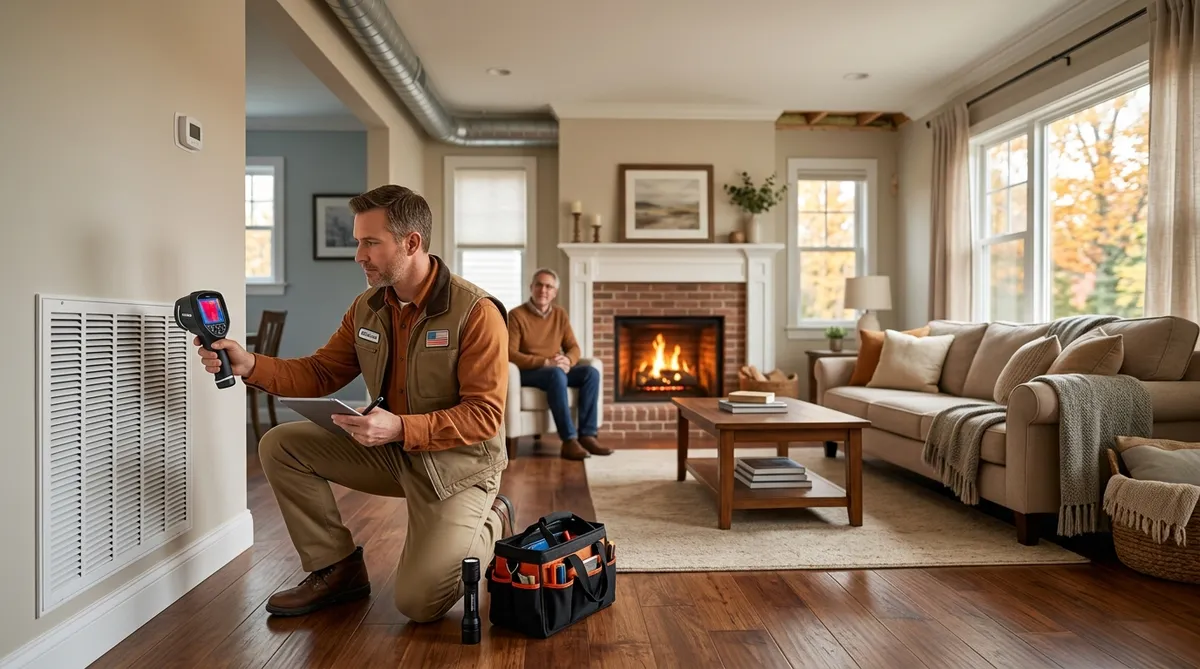
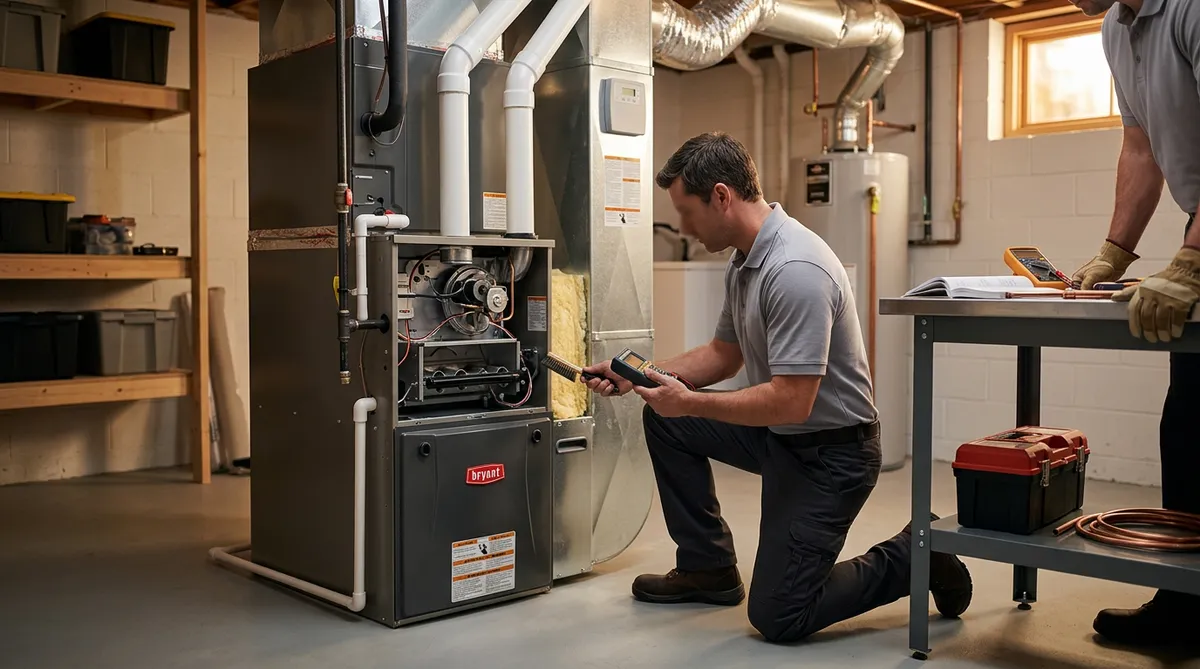
Ultimately, the repair-vs-replace dilemma depends on your specific situation—budget, home size, and usage patterns. If you're unsure, start with a professional evaluation. They'll use tools like combustion analyzers to gauge efficiency and pinpoint problems.
In our experience, most homeowners regret delaying replacement when signs pile up. A new furnace means reliable heat, lower bills, and peace of mind. Whatever you choose, prioritize safety and efficiency. Your home deserves it, and so do you.