Why Some Rooms in Your Home Stay Chilly: Causes and Solutions for Uneven Heating
Have you ever stepped out of your cozy living room into a bedroom that feels like an icebox? Uneven heating and cooling is a common frustration for homeowners, especially as seasons change. It's not just uncomfortable— it can also spike your energy bills and strain your HVAC system. As contractors who've seen it all, we're here to break down why this happens and how to fix it. We'll explore ductwork issues, insulation gaps, and zoning solutions that can even out temperatures without breaking the bank.
Understanding why some rooms lag behind others starts with your home's heating, ventilation, and air conditioning (HVAC) setup. Most homes rely on a central system that pushes warm or cool air through ducts to vents in each room. But if that delivery isn't balanced, you'll end up with hot spots and cold zones. Factors like your home's age, layout, and even how you use the space play a role. The good news? Many of these problems are fixable with some targeted tweaks.
Ductwork Issues: The Hidden Highway to Uneven Temperatures
Ductwork is the backbone of your HVAC system, acting like a network of highways that transport conditioned air to every corner of your home. When these ducts have problems, air doesn't flow evenly, leaving some rooms underserved.
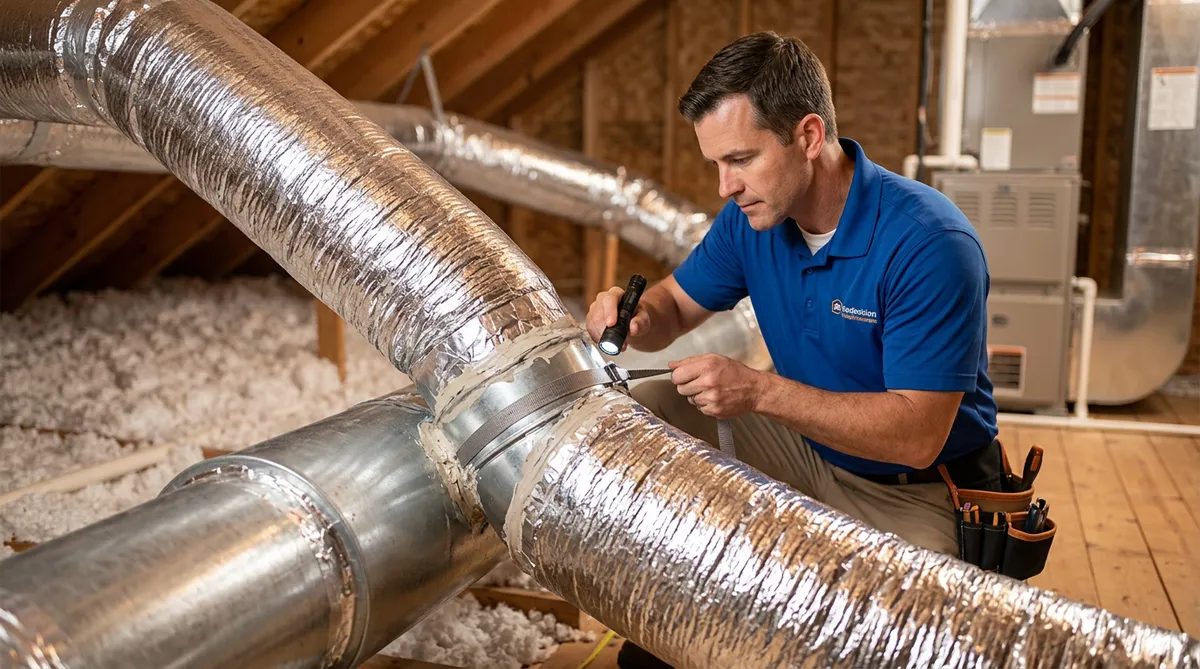
One major issue is leaks. Over time, ducts can develop cracks, holes, or loose connections, especially in attics, basements, or crawl spaces where they're exposed to temperature swings and pests. Leaky ducts can lose up to 30% of your heated or cooled air before it even reaches the rooms, according to energy experts. That means your furnace or AC works overtime, but the cold room stays cold.
Another problem is poor duct design or sizing. If your home was built or renovated without proper planning, ducts might be too small for the airflow needed, causing pressure drops that starve distant rooms. For instance, in a two-story house, upstairs bedrooms often get less heat because hot air rises naturally, but without adequate duct support, it doesn't make the trip effectively.
Blocked or crushed ducts are sneaky culprits too. Furniture pushed against a vent, debris buildup, or even a collapsed section from settling foundations can restrict airflow. We've pulled apart systems where a forgotten holiday decoration blocked a main trunk line, turning half the house into a no-go zone for warm air.
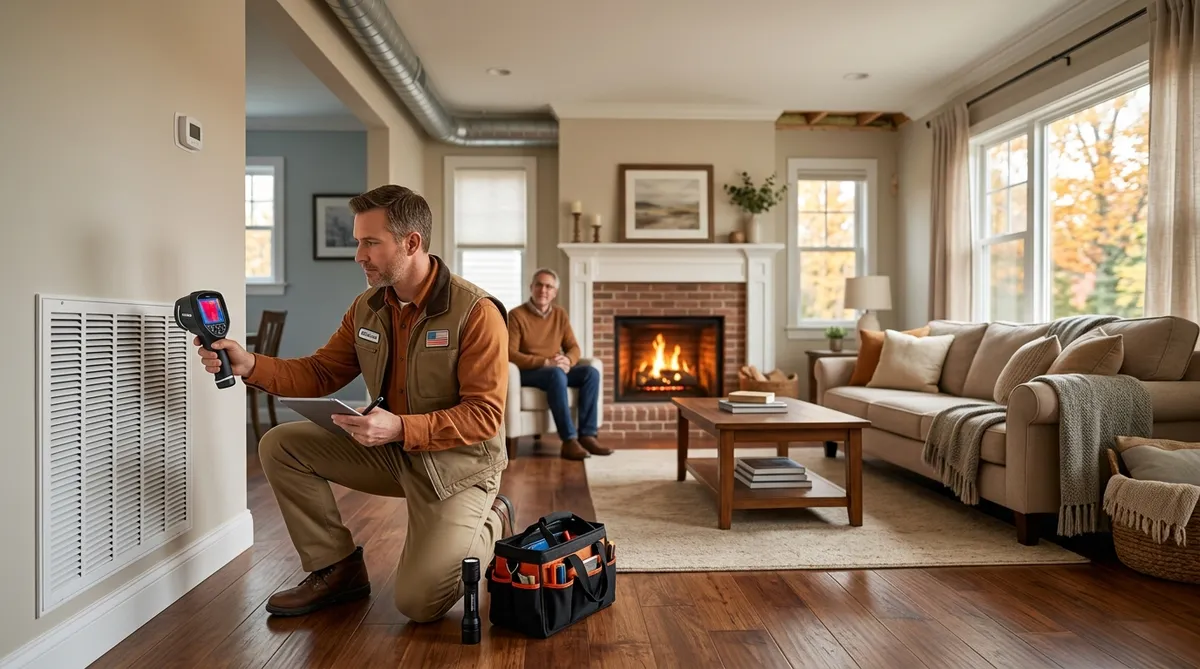
To check for duct issues yourself, start with a visual inspection. Crawl into your attic or basement (safely, with a flashlight and mask) and look for visible damage, dust bunnies around joints, or uneven dust patterns on registers. Feel the airflow from each vent— it should be consistent in strength across rooms. If one is weak, trace it back. For a pro-level assessment, consider a duct leakage test using a blower door; it's like a smoke test for your airways and can pinpoint leaks accurately.
Fixing ducts often involves sealing with mastic or foil tape (never duct tape— it fails quickly) and insulating exposed sections to prevent condensation and energy loss. In severe cases, rerouting or replacing sections might be needed, but that's usually a one-time investment that pays off in comfort and savings.
Insulation Gaps: Letting Comfort Slip Away
Even if your ducts are solid, poor insulation can sabotage your home's temperature balance. Insulation acts as a thermal barrier, keeping heat in during winter and out in summer. When gaps appear, conditioned air escapes, and outside temperatures infiltrate.
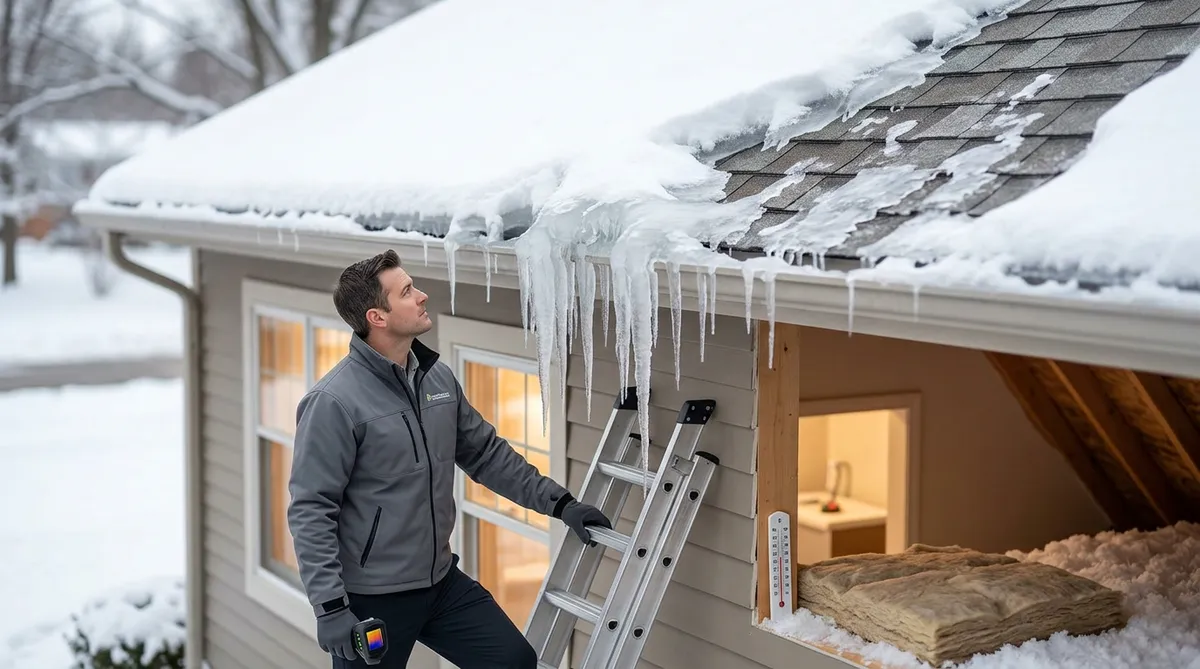
Attics are prime suspects. If your attic insulation is thin or uneven— say, less than R-30 in colder climates— heat rises straight up and out through the roof, pulling warmth from lower rooms. We've inspected homes where batts of fiberglass were compressed or missing entirely around recessed lights or chimneys, creating highways for heat loss.
Walls and floors tell a similar story. Older homes might have uninsulated exterior walls, especially if they were built before modern building codes. In multi-story setups, uninsulated floors between levels allow heat to pool upstairs while downstairs chills. And don't overlook windows and doors; single-pane glass or drafty frames can turn a room into a wind tunnel.
Air leaks compound insulation woes. Tiny gaps around electrical outlets, baseboards, or where pipes penetrate walls let in cold drafts. In one job, a client complained of a perpetually cold dining room only to find a gap behind the baseboard where the room met an unheated garage— sealing it with spray foam fixed it overnight.
Practical steps for homeowners include an energy audit, often available free from utilities. Use a thermal camera app on your phone or incense sticks to spot drafts on a windy day. Add insulation where you can: blown-in cellulose for attics, rigid foam boards for basements, or weatherstripping for doors. For walls, injecting foam through small holes is a minimally invasive pro service that boosts efficiency without tearing open drywall.
Remember, proper insulation isn't just about adding more— it's about even coverage. Avoid compressing materials, and ventilate attics to prevent moisture buildup that can degrade insulation over time.
Other Contributors to Temperature Imbalances
Beyond ducts and insulation, your home's layout and features can create uneven spots. South-facing rooms get more sun, warming naturally, while north-facing ones stay cooler. Large windows amplify this, absorbing heat in winter but leaking it out.
Furniture placement matters too. A couch blocking a vent reduces airflow, making that side of the room colder. High ceilings in great rooms mean heat stratifies upward, leaving feet chilly— ceiling fans on low in winter can help redistribute it.
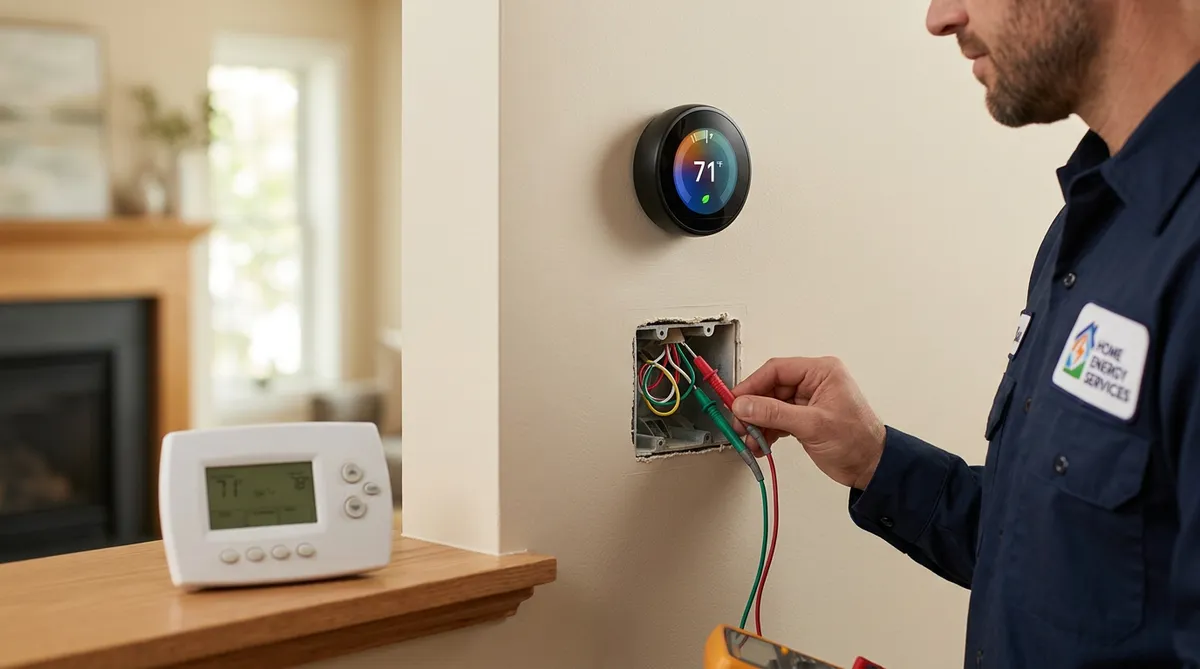
Thermostat location is a big one. If it's in a warmer hallway, your system might shut off before cooler rooms catch up. Sun exposure or drafts at the thermostat can trick it into over- or under-cycling.
Electronic devices and occupancy patterns play roles. A home office with computers generates heat, while an unused guest room cools off. Opening doors between rooms helps, but it's no substitute for systemic fixes.
Zoning Solutions: Your Ticket to Balanced Comfort
For persistent unevenness, zoning systems are a game-changer. Zoning divides your HVAC into independent zones controlled by separate thermostats, dampers in the ducts, and sometimes booster fans. Want the bedroom cooler at night while keeping the living room warm? Zoning makes it possible without manual adjustments.
Single-zone systems treat the whole house the same, which works for small, open layouts but fails in larger or multi-level homes. Multi-zone setups use motorized dampers to direct airflow where needed. For example, in a three-bedroom house, you could zone the master suite separately from the kids' rooms, ensuring everyone gets their ideal temp.
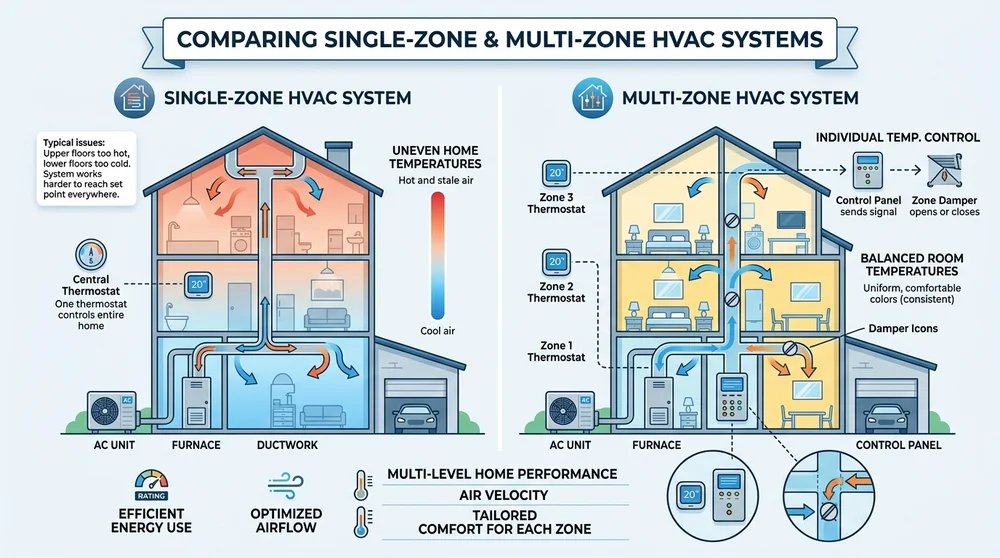
Installation varies: For forced-air systems, it's often retrofittable with dampers added to existing ducts. Hydronic (hot water) or ductless mini-split systems lend themselves to zoning naturally. Costs range from $2,000 for basic dampers to $10,000+ for full mini-split zoning, but rebates from energy programs can offset that.
We've installed zoning in homes where one side faced a busy street (noisier and draftier) and the other a quiet yard. Post-install, clients reported 20-30% energy savings because the system runs more efficiently, only heating or cooling occupied areas.
If zoning sounds advanced, start simple with smart thermostats like Nest or Ecobee. They learn your patterns and can control basic dampers via apps, offering a bridge to full zoning.
DIY Diagnostics and Pro Interventions
Before calling in reinforcements, arm yourself with DIY checks. Track temperatures room-by-room with inexpensive thermometers over a few days. Note patterns: Is the cold room farthest from the furnace? Does it worsen on windy days?
Clean vents and replace filters monthly— a dirty filter chokes the whole system. Balance dampers if your setup has them; they're adjustable levers in the ductwork that pros can show you how to tweak.
When to go pro? If DIY reveals leaks, major blockages, or if imbalances persist after basic fixes. An HVAC tech can perform a load calculation to ensure your system is sized right— an undersized unit struggles to distribute air evenly.
In wrapping up, uneven heating doesn't have to be your home's status quo. By addressing ductwork flaws, sealing insulation gaps, and considering zoning, you can achieve that even, comfortable feel pros strive for. Your house should be a refuge, not a battleground of temperatures. With these insights, you're equipped to tackle the chill— or at least know when to bring in the experts.