Drain Cleaning Showdown: Chemical Cleaners vs. Professional Snaking – Why Pros Recommend Skipping the Store Shelf
The Frustrating World of Clogged Drains
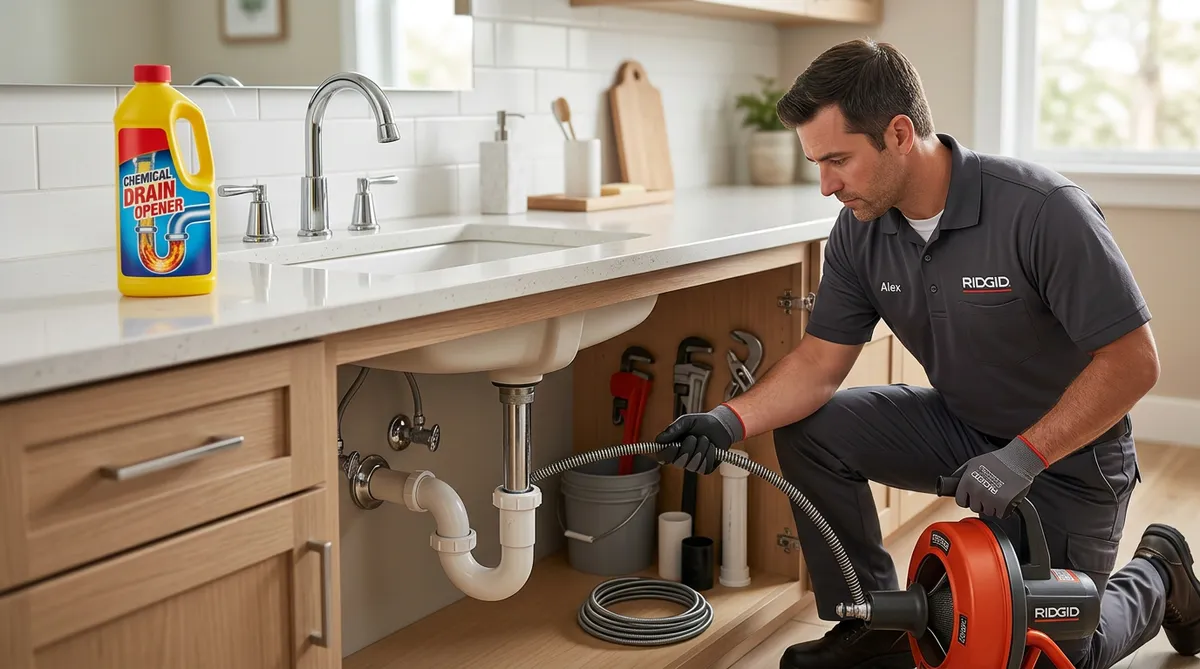
Picture this: It's a Monday morning, and your kitchen sink is backing up with last night's dinner remnants. Or worse, the shower drain is gurgling like it's got a bad case of indigestion. As a homeowner, your first instinct might be to grab a bottle of that blue or gel-like drain cleaner from the hardware store shelf. We've all been there—it's cheap, it's easy, and the label promises a clear pipe in minutes. But as seasoned contractors at ContractorLink.pro, we've seen the aftermath too many times. Today, we're diving into the drain cleaning debate: chemical products versus professional snaking. We'll break down why those store-bought miracles can turn into pipe nightmares and when it's time to let the pros handle it with mechanical tools.
Clogged drains aren't just inconvenient; they can lead to bigger plumbing headaches if not addressed properly. Understanding the pros and cons of each method empowers you to make informed choices that protect your home's plumbing system. Let's get into it.
What Are Chemical Drain Cleaners and How Do They Work?
Chemical drain cleaners are those caustic solutions you find in aerosol cans, liquids, or powders at big-box stores. They're typically made from harsh ingredients like sodium hydroxide (lye), sulfuric acid, or bleach-based formulas. The idea is simple: pour it down the drain, let it fizz and eat away at the organic gunk—hair, grease, soap scum—that's causing the blockage.
These products market themselves as a DIY savior for minor clogs. For a few bucks, you can tackle a slow-draining tub or a greasy sink without calling anyone. And in a pinch, they might seem to work wonders, dissolving the clog and restoring flow temporarily. But here's the catch from our years in the trenches: what goes down the drain doesn't always stay in the clog. Those chemicals keep reacting long after the job's "done," and that's where the trouble starts.
Homeowners often reach for them because they're accessible—no tools required, no mess (or so they think), and instructions are straightforward. We've had clients swear by them for years, but the real story emerges when pipes start leaking or worse.
The Dark Side: How Chemical Cleaners Damage Your Pipes
Let's talk brass tacks—or in this case, PVC and metal pipes. Chemical drain cleaners are aggressive by design, but that aggression doesn't discriminate between clogs and your plumbing infrastructure. Here's why they're a risky bet:
Corrosion and Pipe Degradation
Older homes with metal pipes (like galvanized steel or cast iron) are especially vulnerable. The acids and bases in these cleaners accelerate corrosion, eating away at the pipe walls over time. What starts as a small clog fix can lead to pinhole leaks, weakened joints, and eventually, full pipe failures. We've replaced countless sections of piping because repeated chemical use turned sturdy lines into brittle relics.
Even modern plastic pipes, like PVC or ABS, aren't immune. While they're more resistant, the heat generated by chemical reactions (those fizzing bubbles aren't just for show) can soften or warp the material. Imagine pouring a hot, corrosive soup down your drain—over multiple uses, it thins the pipe walls, making them prone to cracks. In extreme cases, we've seen pipes burst under pressure from water flow alone after chemical abuse.
Environmental and Health Hazards
Beyond your pipes, these chemicals wreak havoc elsewhere. They're tough on septic systems, killing beneficial bacteria needed for waste breakdown. If your home is on city sewer, they contribute to broader pollution when flushed into waterways. And don't get us started on the fumes—those eye-watering vapors can irritate skin, lungs, and eyes. We've responded to calls where homeowners ended up in the ER from improper use, like mixing products (never do that—it creates toxic gases).
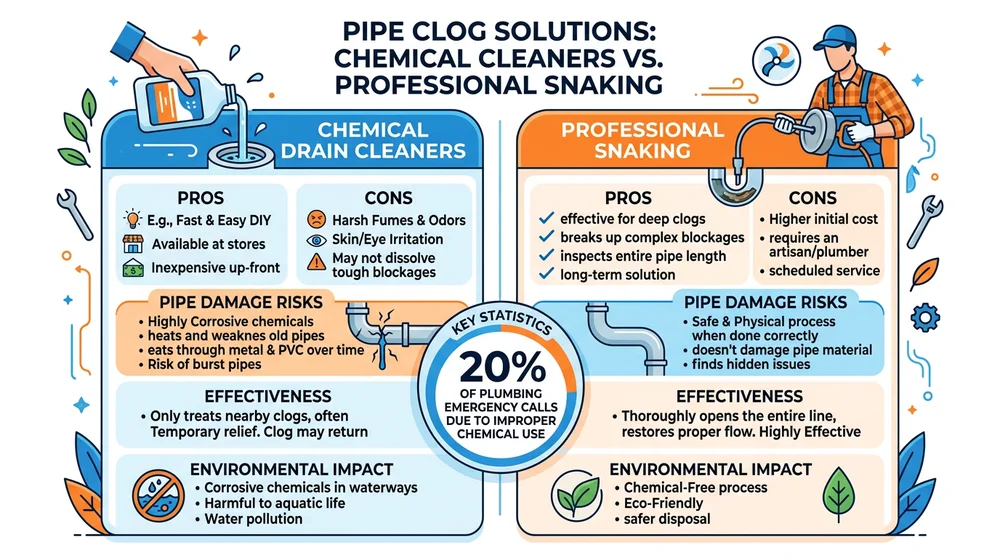
A study from the plumbing industry highlights that improper drain cleaner use contributes to up to 20% of emergency plumbing calls. It's not just anecdotal; the damage is real and often hidden until it's too late.
Temporary Fixes Lead to Bigger Problems
Sure, the drain might flow for a week or two, but chemicals don't remove the clog—they dissolve parts of it. Debris can redeposit further down the line, creating deeper blockages. If tree roots are invading your sewer line (a common issue in older neighborhoods), chemicals won't touch them; they'll just weaken the pipes around the intrusion.
In short, while chemical cleaners offer a quick band-aid, they often mask underlying issues and exacerbate damage. As pros, we advise against them for anything beyond the mildest, one-off clogs—and even then, with caution.
When Might Chemical Cleaners Be a Reluctant Okay?
We're not total killjoys. In rare cases, a single use of a milder enzymatic cleaner (which uses bacteria to break down organics) on a fresh, minor clog in a modern PVC drain might not cause Armageddon. These bio-based options are less harsh and better for the environment. But read the label: avoid anything with strong acids or bases, and never use them in toilets or on aluminum pipes—they'll eat right through.
If you're in a bind and must try, ventilate well, wear gloves, and follow instructions to the letter. But if the clog persists after one attempt, stop. It's a sign the problem's bigger than chemistry can handle.
Professional Snaking: The Mechanical Hero Your Drains Deserve
Now, let's shift to the gold standard: mechanical drain snaking, also known as augering or rodding. This isn't some Rube Goldberg contraption—it's a powered cable with a cutting head that physically breaks up and removes clogs. Pros use electric or manual snakes, from handheld models for sinks to heavy-duty machines for main lines.
How it works: We insert the flexible cable into the drain, rotate it to chew through hairballs, grease buildup, or even roots, then pull out the debris. No chemicals involved—just pure mechanical force. It's like giving your pipes a thorough root canal, extracting the problem at its source.
The benefits? It's thorough, non-corrosive, and effective on all clog types. Snaking clears the way without residue, restoring full flow and preventing immediate backups. For sewer lines, we often pair it with a camera inspection to spot issues early. And crucially, it doesn't harm your pipes—in fact, it can extend their life by removing buildup before it causes pressure issues.
We've snaked thousands of drains over the years, and clients rave about the results. One homeowner shared how years of chemical use had her kitchen pipes flaking; a good snake job cleared it all, and she's chemical-free ever since.
Signs It's Time for Professional Snaking Over DIY
Knowing when to call us in saves you time, money, and headaches. Here are the red flags that scream "mechanical help needed":
Recurring Clogs: If drains slow down weekly or monthly, it's not a one-time grease trap—it's buildup or a deeper obstruction.
Multiple Fixtures Affected: Slow sinks, tubs, and toilets? Could be a main line clog, which DIY can't reach.
Strange Noises or Smells: Gurgling sounds or sewer odors indicate backups beyond surface level.
Visible Damage or Age: Older homes (pre-1980s) with metal pipes, or if you've used chemicals before—snaking prevents further harm.
Root Intrusions: If you're in a wooded area or have mature trees, roots love invading pipes. Chemicals won't cut it; a snake with a root-cutting head will.
For these scenarios, pros bring the right tools: powered snakes for tough jobs, locators to find cleanouts, and expertise to avoid damaging fittings. Expect a visit to take 30-90 minutes, depending on access, and costs are reasonable—often $150-300 for standard jobs—versus thousands in pipe repairs from chemical damage.
Safe DIY Alternatives Before Calling the Pros
Not every clog needs a pro right away. Start with these gentle, pipe-friendly methods:
The Plunger Power Move
A good cup plunger creates suction to dislodge minor blockages. Fill the sink or tub with enough water to cover the bell, plunge vigorously for 15-20 seconds, and repeat. It's cheap, effective for hair or soap in bathrooms, and zero risk to pipes.
Baking Soda and Vinegar Magic
For organic clogs, pour 1/2 cup baking soda down the drain, followed by 1/2 cup white vinegar. Let it fizz for 15-30 minutes (the reaction breaks down gunk naturally), then flush with hot water. This eco-friendly duo is safe for all pipe types and avoids harsh chemicals.
Enzyme Cleaners as a Middle Ground
If you want a bit more oomph, enzymatic products use natural bacteria to digest waste over hours. They're slower but kinder to your system—ideal for maintenance.
Pro tip: Never use boiling water on plastic pipes (it can warp them), and avoid wire hangers—they scratch interiors and worsen clogs.
If these don't work after a couple tries, it's pro time. Pushing too hard DIY can compact the clog, making snaking harder later.
Preventing Clogs: Your Best Defense Strategy
An ounce of prevention is worth a pound of cure—or a snake cable. Keep drains clear with these contractor-approved habits:
Kitchen Drains: Use a strainer for food scraps. Run hot water after each use to flush grease. Avoid pouring oil down—let it solidify in the trash.
Bathroom Drains: Install mesh screens over tubs and sinks to catch hair. Every month, remove and clean them.
Whole-Home Maintenance: Quarterly, pour a cup of vinegar or enzyme cleaner down all drains to prevent buildup. For sewers, schedule annual inspections if you're prone to roots.
Water Usage Smarts: Don't overload garbage disposals with fibrous foods like celery. And flush only the three P's: pee, poo, and paper.
Simple routines like these cut clog risks by 70%, per industry stats. We've helped homeowners go years without issues just by tweaking habits.
Wrapping Up: Choose Wisely for Healthy Pipes
In the battle of chemical cleaners versus professional snaking, the winner is clear: mechanical methods preserve your pipes while delivering real results. Store-bought chemicals might tempt with convenience, but their damage to pipes, health, and the environment often outweighs any short-term gain. Save them for emergencies only, and lean on safe DIY tricks or call in the pros for stubborn clogs.
As contractors who've unclogged more drains than we can count, our advice is straightforward: treat your plumbing like the vital system it is. When in doubt, snake it out. Your home—and your wallet—will thank you.