Burning Smell When You Turn On the Heat? It's Probably Just Dust – But Here's When to Call a Pro
Ah, fall is here, the leaves are turning, and it's time to crank up the heat for the first time since last winter. But wait – what's that smell? If you're catching a whiff of something burning as your furnace or heater kicks on, you're not alone. Many homeowners experience this every year and immediately start worrying about fires or breakdowns. The good news? In most cases, it's nothing to lose sleep over. As pros who've seen it all in the heating world, we're here to break it down for you: what causes that burning smell, why it's usually benign, and the telltale signs that mean it's time to pick up the phone for a professional check.
We'll walk you through the science behind it, share some practical tips to ease your mind, and help you spot when that scent signals something more serious. By the end, you'll feel confident handling your home's heating system like a seasoned contractor.
The Culprit: Dust Burn-Off Explained
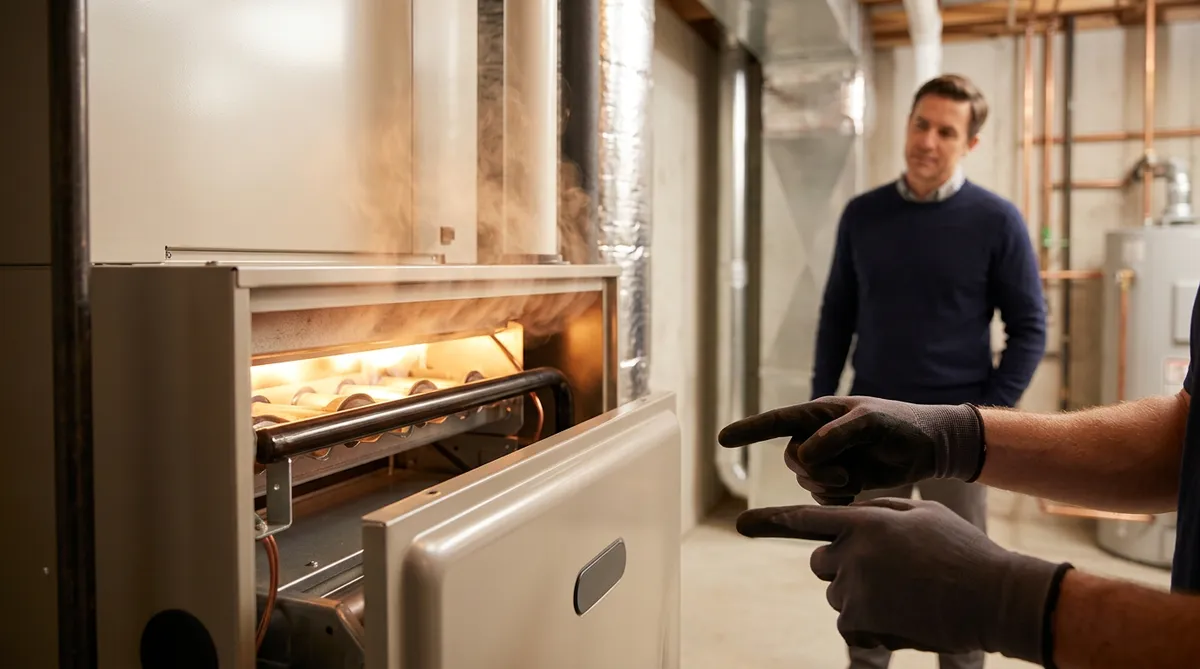
Let's start with the most common reason you'll smell burning when you first turn on the heat – dust burn-off. Picture this: Over the summer months, while your heating system has been dormant, dust, pet hair, pollen, and other tiny particles accumulate on the heater's components. This buildup happens inside the furnace, on blower fans, heating elements, or ductwork. When you flip the switch and warm air starts flowing, those particles heat up and essentially 'burn off' as the system reaches operating temperature.
It's not an actual fire; it's more like a quick scorch. The smell is often described as a dusty, toasty, or slightly acrid odor, similar to what you might notice when using an old toaster. This phenomenon is especially noticeable in forced-air systems like gas furnaces, electric heaters, or heat pumps. According to heating experts, it's completely normal and affects up to 80% of homes at the start of the heating season.
How long does it last? Typically, the smell fades within 15-30 minutes as the dust clears out. If you run the system for a full cycle or two, it should dissipate entirely. To test this, turn on your heater and let it run for about an hour in a well-ventilated space. Open windows if needed to air out the house. Pro tip: If you're sensitive to smells or have respiratory issues, consider using an air purifier during this initial run to capture any airborne particles.
One thing to note: This burn-off is more pronounced in older systems or those that haven't been serviced recently. If your heater is over 10 years old, the accumulation might be thicker, leading to a stronger initial scent. But rest assured, as long as it goes away quickly, you're in the clear.
Other Harmless(ish) Causes of That Initial Burn
While dust is the star of the show, a few other benign factors can contribute to a temporary burning smell. For instance, in oil-fired boilers, residual oil from the summer might vaporize slightly when heated, creating a faint burning aroma. Similarly, if you've recently had work done on your HVAC system – like installing new filters or duct cleaning – manufacturing residues on parts could cause a brief odor as they cure under heat.
Another sneaky one: Fabric softener sheets or dryer lint that somehow migrates into vents. We've pulled out more than a few lint traps worth of debris from customer systems that mimicked a burning smell. In these cases, the scent is short-lived and resolves once the foreign material is gone.
If your home uses a wood-burning fireplace or stove as a supplemental heat source, don't forget about creosote buildup. Though not exactly a 'heater,' firing it up for the first time can release a smoky, burning scent from summer dust on the damper or flue. A quick sweep of the chimney usually nixes this issue.
These scenarios are all part of the seasonal wake-up call for your heating system. They're your home's way of saying, 'Hey, I've been on vacation – give me a minute to shake off the cobwebs.'
Red Flags: When a Burning Smell Means Trouble
Okay, now for the part where we flag the serious stuff. Not every burning smell is dust-related, and ignoring the wrong one could lead to costly repairs or, worse, safety hazards. As contractors, we've responded to emergency calls where a simple smell turned into a full-blown electrical fire. So, listen up – here's when to hit pause and call in the pros.
First, if the smell persists beyond the initial 30 minutes or returns after a few days of use, that's a warning sign. Dust burn-off shouldn't linger; ongoing odors point to deeper problems like overheating motors, frayed wiring, or failing components. For example, in electric furnaces, a continuous burning smell could indicate insulation melting on the heating coils – a fire risk that needs immediate attention.
Pay attention to the type of smell, too. A dusty burn is one thing, but if it's sharp and chemical-like (think plastic or rubber melting), it might be from deteriorating belts in your blower fan. Gas furnaces with a sulfur or rotten egg scent? That's potentially a gas leak – evacuate and call your utility company right away. Electrical burning, often metallic or ozone-y, suggests wiring issues in the thermostat, control board, or outlets near the unit.
Other red flags include visible smoke, unusual noises (grinding, banging, or humming), or if the smell is accompanied by reduced airflow or uneven heating. In ductless mini-split systems, a burning odor could mean refrigerant issues or dirty evaporator coils. And for baseboard heaters, check for dust bunnies directly on the elements, but persistent smells might indicate corroded fins.
Bottom line: If you're unsure or the smell feels 'off,' err on the side of caution. Better to have a licensed technician inspect it than risk your family's safety. In our experience, early intervention often uncovers small fixes that prevent major breakdowns mid-winter.
What to Do If You Notice a Burning Smell
So, you've turned on the heat and – yep, there's the smell. Step one: Stay calm. Turn off the system immediately to assess. Open windows and doors to ventilate the space, and avoid using the heater until you've investigated.
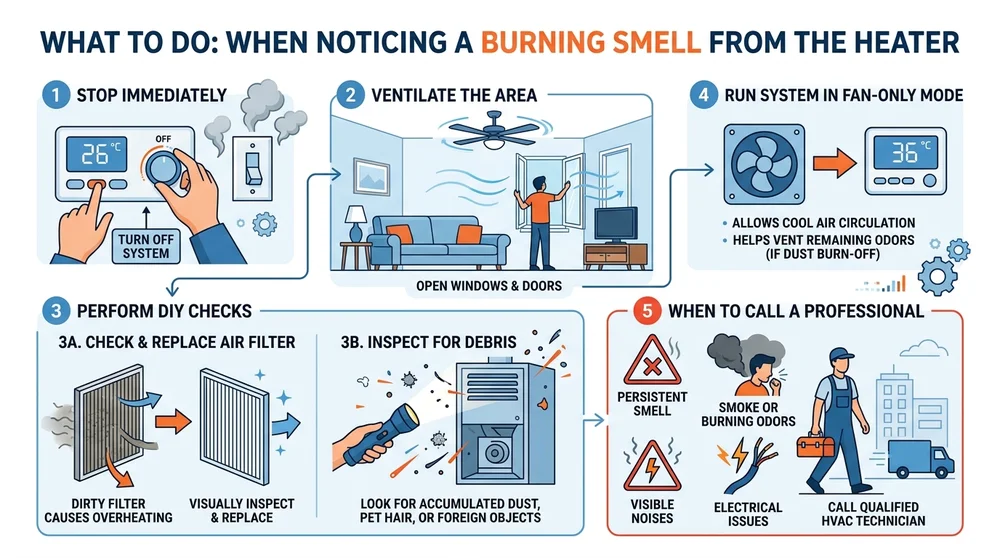
Next, perform some basic DIY checks. Start with the air filter – a clogged one can cause overheating and odd smells. Replace it if it's dirty; we recommend doing this monthly during heating season. Inspect visible vents and registers for dust buildup; a vacuum with a brush attachment works wonders here. For furnaces, peek at the blower compartment (with power off!) for obvious debris.
If it's a gas system, ensure the pilot light is blue and steady, not yellow or flickering, which could indicate incomplete combustion. Electric heaters? Wipe down the exterior and coils gently with a damp cloth once cool.
Run the fan-only mode for 10-15 minutes to circulate air and burn off any residual dust without full heat. Monitor the smell during this – if it strengthens, shut it down and call a pro.
Safety first: Never ignore smoke or if the smell intensifies. Install or check carbon monoxide detectors near the heater, and have a fire extinguisher handy. If you're in a multi-unit building, notify your landlord or super.
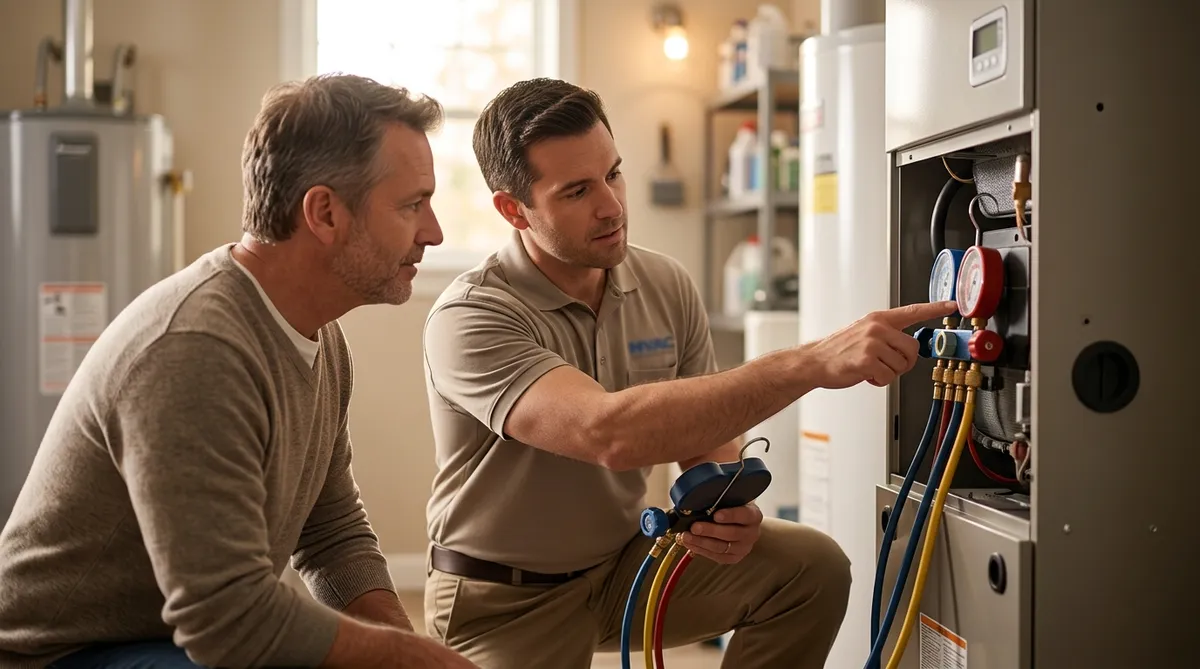
For peace of mind, schedule an annual HVAC tune-up. Pros use specialized tools to clean internals, check for wear, and ensure everything's up to code. It's like a check-up for your home's lungs – prevents issues before they start.
Prevention Tips to Keep Burning Smells at Bay
The best way to handle that first-turn-on smell? Prevent it from being a surprise. Start with regular maintenance: Change filters every 1-3 months, depending on your home's dust levels. Vacuum around the unit and ducts quarterly to minimize buildup.
Invest in a whole-home air filtration system or high-MERV filters to trap more particles year-round. Keep the area around your heater clear – no storage boxes or laundry piles that could contribute to dust or block airflow.
For seasonal prep, run your system briefly at the end of spring to burn off any early accumulation. And don't skip professional servicing: Aim for once a year, ideally before winter hits. Technicians can deep-clean coils, lubricate moving parts, and spot potential problems like worn belts or loose wires.
If you're handy, learn to spot common issues. For instance, in hydronic systems (hot water radiators), bleed air from lines annually to ensure efficient operation and reduce strain that could cause overheating smells.
By staying proactive, you'll not only dodge unwanted odors but also extend your heater's life and cut energy bills. We've seen systems last 20+ years with proper care – yours can too.
In wrapping up, that burning smell when you first turn on the heat is usually just your system shaking off summer dust. It's a rite of passage for most homes, and with a little ventilation, it'll be gone before you know it. But trust your nose: If it lingers, changes character, or comes with other symptoms, don't hesitate to call a licensed contractor. At ContractorLink.pro, we're all about empowering you with pro knowledge so you can keep your home running smoothly. Stay warm this season!