Why DIY Pest Sprays Fail Against Real Infestations: Lifecycles, Resistance, and Hidden Dangers
The Allure and Pitfalls of DIY Pest Control
As homeowners, we're all about tackling projects ourselves—saving money, feeling empowered, and avoiding the hassle of scheduling pros. When it comes to pests, grabbing a can of over-the-counter spray seems like a quick fix. But here's the hard truth from us contractors at ContractorLink.pro: DIY pest sprays often fail miserably against real infestations. They might zap a few visible bugs, but they rarely address the root cause, leading to bigger problems down the line.
In this post, we'll break down why these sprays fall short. We'll explore pest lifecycles, the sneaky issue of resistance, and scenarios where OTC products make things worse. By the end, you'll have practical insights to spot when it's time to wave the white flag and call in licensed pest control experts. Let's dive in.
Understanding Pest Lifecycles: Why Sprays Miss the Mark
Pests aren't just the adults you see scurrying across your kitchen floor. They have complex lifecycles that DIY sprays simply can't handle comprehensively. Take ants, for example. What starts as a few foragers can quickly turn into a colony of thousands hidden in walls or under slabs.
Most pests go through stages: egg, larva (or nymph), pupa, and adult. Over-the-counter sprays are designed to target adult insects with contact-killing chemicals like pyrethroids. But they do little to nothing against eggs or larvae tucked away in cracks, soil, or behind baseboards. Spraying might kill the visible ants raiding your pantry, but the queen and her brood remain untouched, ready to repopulate in weeks.
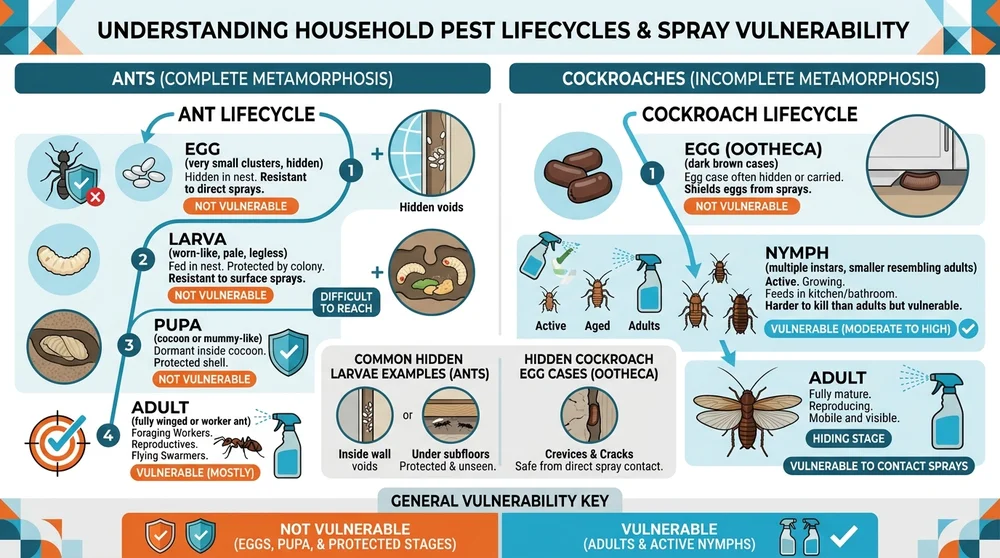
Consider cockroaches, notorious for thriving in homes. Their eggs are encased in protective oothecae that resist sprays. A single female can produce up to 40 eggs at a time, and those hatch into resilient nymphs that scatter at the first sign of danger. DIYers often apply sprays sporadically, missing these hidden phases and allowing the population to rebound stronger.
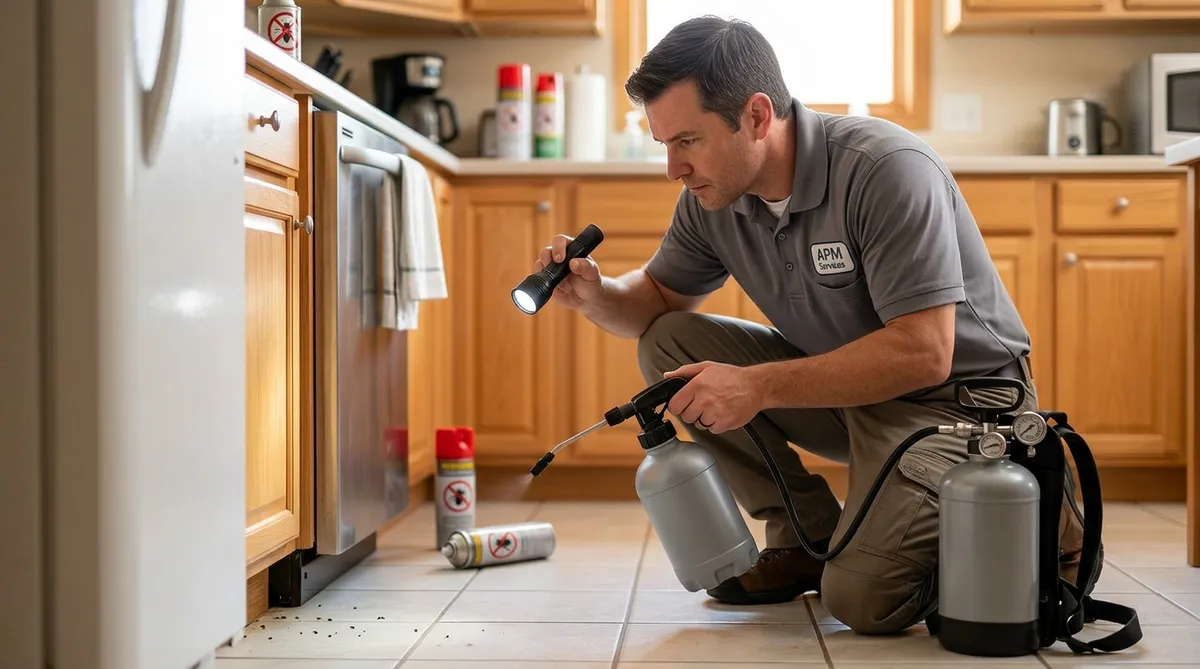
Pro Tip: If you're set on DIY, inspect thoroughly first. Use a flashlight to check for egg clusters or trails. But remember, without professional-grade tools like bait stations that target all lifecycle stages, you're playing whack-a-mole with nature's timeline.
The Growing Problem of Pest Resistance
Here's a frustrating reality: pests are evolving faster than product formulas. Over decades of exposure to common household pesticides, many insects have developed resistance. It's like antibiotics for bacteria—overuse breeds superbugs, and the same happens with pests.
Pyrethroids, the active ingredient in many OTC sprays, were once a game-changer in the 1970s. But today, species like bed bugs, mosquitoes, and German cockroaches show high resistance levels. Studies from the Entomological Society of America indicate that some cockroach populations are up to 100 times more tolerant to these chemicals than their ancestors.
Why does this happen? DIY users often under- or over-apply sprays, creating sub-lethal doses that don't kill but stress the pests, triggering genetic mutations in survivors. These resistant bugs pass on their traits, turning your living room into a breeding ground for invincible invaders.
In real infestations, resistance means your spray might knock down 20-30% of the adults, but the rest adapt and multiply. We've seen it time and again: homeowners empty cans of Raid, only to call us months later with a full-blown crisis.
Practical Advice: Rotate products if you must DIY, but check labels for resistance notes. Better yet, opt for integrated pest management (IPM) basics like sealing entry points with caulk or diatomaceous earth, which physically disrupts pests without relying on chemicals.
When Over-the-Counter Products Make the Problem Worse
It's counterintuitive, but sometimes DIY sprays don't just fail—they amplify the infestation. How? Let's count the ways.
First, improper application. OTC cans instruct 'spray directly on insects,' but in a real infestation, pests hide in voids where sprays can't reach. You end up coating surfaces with residue that repels bugs into more visible (and problematic) areas, like your bedroom or food storage.
Second, the repellent effect. Many sprays don't kill on contact; they scatter pests. For termites or carpenter ants, this drives them deeper into wood structures, accelerating hidden damage before you notice. We've repaired floors ruined by displaced colonies that DIYers unwittingly herded.
Third, environmental backlash. Sprays can harm beneficial insects like ladybugs that naturally control aphids. Worse, chemical runoff contaminates soil or water, attracting more pests indirectly. And let's not forget health risks: inhaling fumes or ingesting residues on countertops can irritate lungs or skin, especially for kids and pets.
A classic case? Flea sprays. Treating your carpet might kill surface adults, but larvae in the soil or upholstery survive, emerging hungrier. Overuse also fosters resistance, turning a minor itch into a persistent nightmare.
Homeowner Hack: Always ventilate after spraying and clean surfaces thoroughly. But if you're seeing eggs, resistance signs (pests surviving direct hits), or worsening numbers, stop. Continuing DIY can turn a $200 pro job into a $2,000 structural repair.
Spotting the Signs Your DIY Efforts Are Failing
How do you know when sprays aren't cutting it? Watch for these red flags:
- Persistent Sightings: Bugs return within days, often in greater numbers.
- New Locations: Pests appear in previously clear areas, indicating migration from untreated nests.
- Damage Escalation: Chew marks, droppings, or musty odors increase despite treatments.
- Allergy Symptoms: Unexplained sneezing, bites, or rashes point to hidden colonies.
- Seasonal Surges: Infestations peak in spring or fall, outpacing seasonal DIY kits.
If two or more apply, it's infestation territory. Document with photos—pros love evidence to tailor solutions.
Why Professionals Get It Right (And How to Choose One)
Licensed exterminators use restricted pesticides, advanced tools like thermal imaging for hidden nests, and lifecycle-specific treatments. They employ baits that workers carry back to queens, gels for cracks, and fumigation for severe cases—methods far beyond store shelves.
At ContractorLink.pro, we connect you with vetted pros who follow IPM: minimal chemicals, targeted action, and follow-ups. Expect an initial inspection (often free), customized plans, and guarantees. Cost? $200-500 for most homes, versus thousands in ignored damage.
Selection Tip: Look for certifications from the National Pest Management Association. Ask about eco-friendly options and warranties. A good pro educates you, preventing repeats.
Prevention: Your Best Defense Against Infestations
Don't wait for failure—proactive steps keep pests at bay:
- Seal and Screen: Caulk cracks, install door sweeps, and repair screens. Costs under $50 in supplies.
- Moisture Control: Fix leaks and use dehumidifiers; pests love damp spots.
- Sanitation: Store food in sealed bins, take out trash daily, and vacuum regularly.
- Yard Maintenance: Trim branches from the house, clear debris, and treat mulch with natural repellents like cedar chips.
- Regular Checks: Monthly inspections catch issues early.
These habits reduce reliance on sprays by 80%, per pest control stats. Combine with seasonal pro tune-ups for peace of mind.
Wrapping Up: Don't Let DIY Doom Your Home
DIY pest sprays have their place for minor nuisances, but against real infestations, they often fail due to overlooked lifecycles, resistance, and unintended consequences. As contractors who've seen the aftermath, we urge: assess wisely, act decisively, and know when to seek pros.
Your home deserves protection that lasts. For connections to trusted experts, visit ContractorLink.pro. Stay pest-free, friends!