Mold Behind the Wall: How to Tell Remediation from a Simple Cleanup — and When DIY Bleach Makes It Worse
Recognizing Mold Behind the Walls
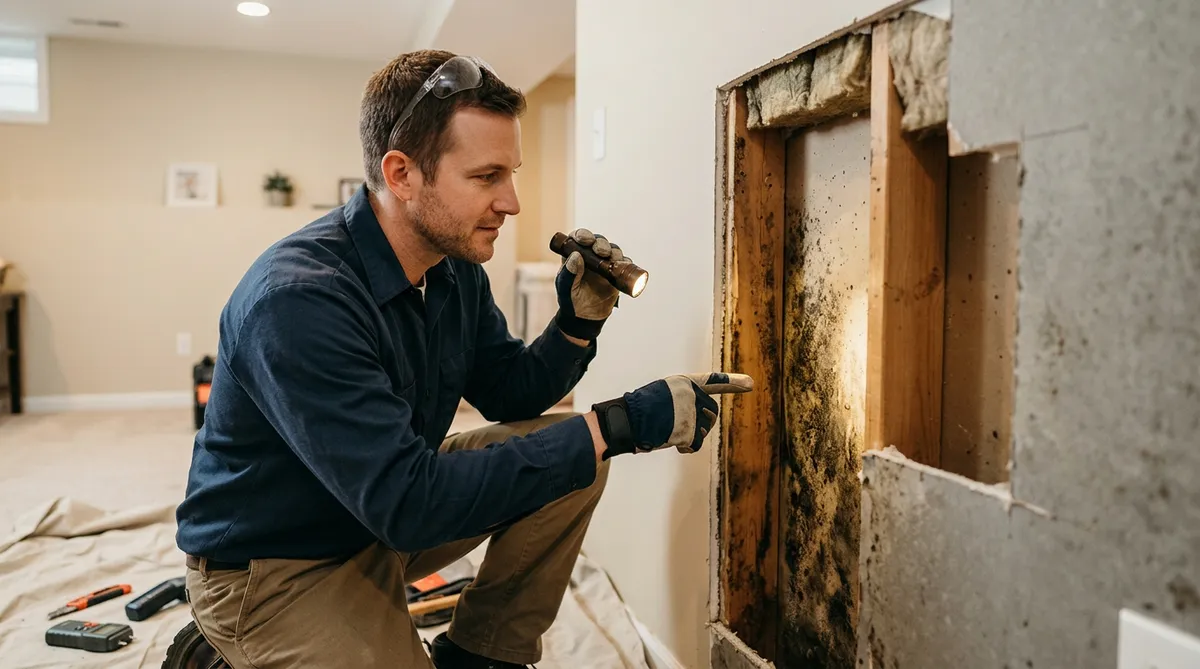
Mold lurking behind walls is a common concern for homeowners, especially in areas prone to moisture like bathrooms, basements, or around leaky pipes. Unlike surface mold, which you can often see and wipe away, hidden mold can cause serious health issues and structural damage if left untreated.
Signs of Hidden Mold:
- Persistent musty odor even after cleaning
- Visible stains or discoloration on walls or ceilings
- Peeling or bubbling paint or wallpaper
- Increased allergy or respiratory symptoms among household members
- Water stains or visible leaks
If you notice these signs, it’s likely that mold is growing behind your walls, and a simple surface cleanup won’t suffice.
When to Consider Professional Mold Remediation
Understanding the difference between a quick cleanup and full remediation is crucial. Here’s what sets them apart:
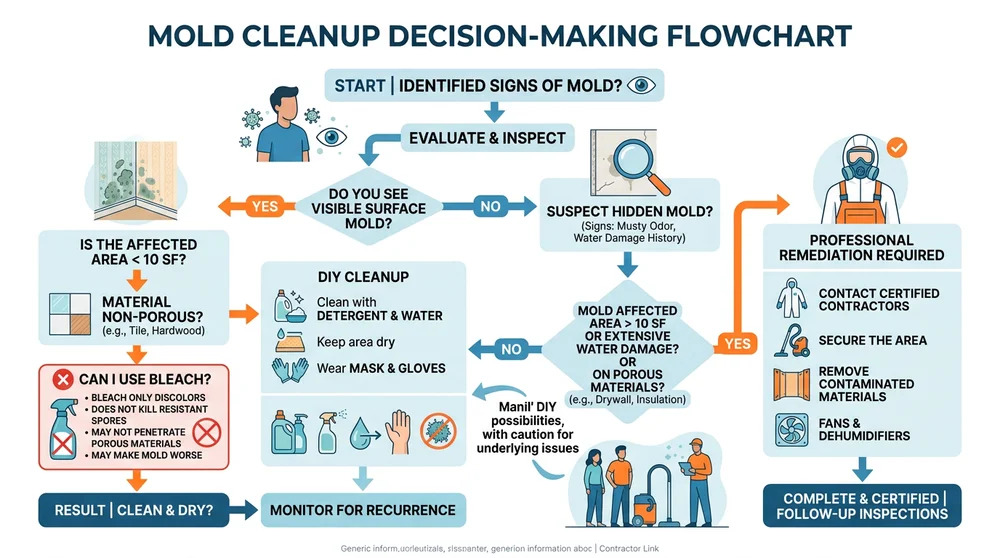
Simple Cleanup:
- Targeted at surface mold or small, isolated spots
- Usually involves scrubbing with soap or mild cleaning agents
- Suitable for minor mold issues in well-ventilated areas
- Does not address underlying moisture problems
Professional Mold Remediation:
- Necessary for extensive or hidden mold growth
- Involves specialized equipment like HEPA vacuums and air scrubbers
- Includes thorough removal of mold-infested materials (drywall, insulation)
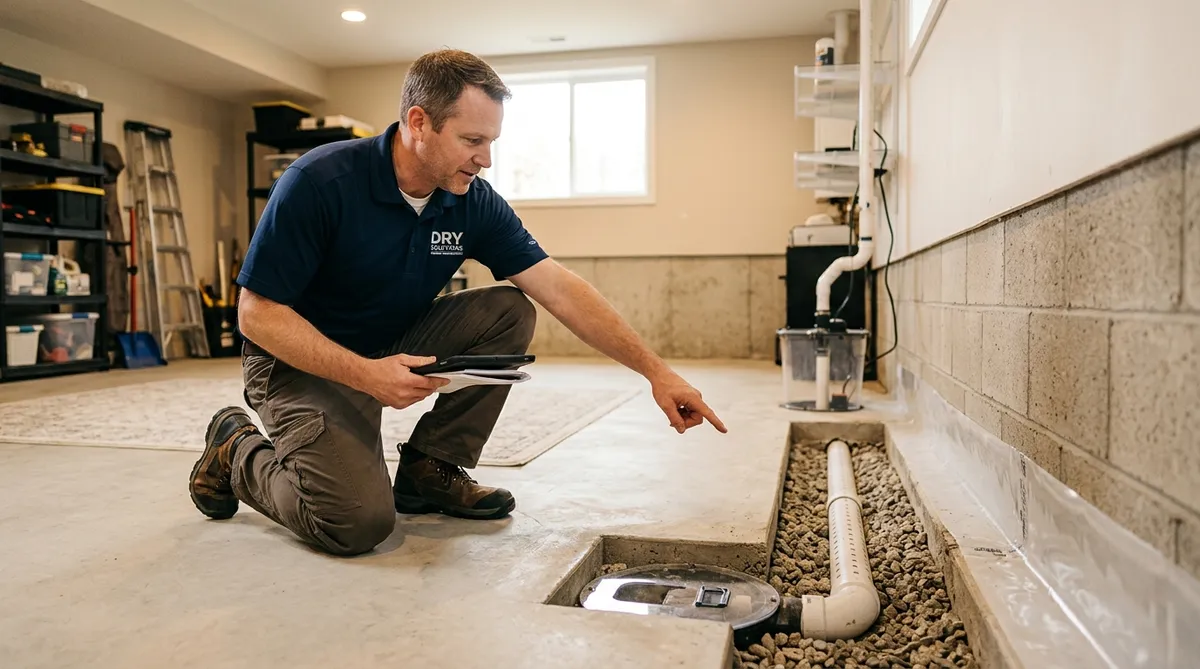
- Addresses underlying moisture sources to prevent recurrence
- Ensures safe containment and disposal of contaminated materials
Why DIY May Fall Short: Attempting to handle significant mold problems yourself can be ineffective and dangerous. Without proper containment and protective gear, mold spores can spread throughout your home, exacerbating health issues and making the problem worse.
Why Bleach Isn’t the Magic Solution
Many homeowners turn to bleach because it’s inexpensive and readily available. However, using bleach for mold cleanup is often a mistake, especially behind walls.
Limitations of Bleach:
- Only effective on non-porous surfaces like tile or glass
- Cannot penetrate porous materials like drywall, wood, or insulation where mold often resides
- Can actually feed mold in some cases by providing moisture
- Produces strong fumes that can irritate your respiratory system
- Doesn’t eliminate mold spores; it just kills surface mold temporarily
When DIY Bleach Makes It Worse: Applying bleach to mold behind walls can trap moisture and mold spores inside, creating a perfect environment for mold to thrive. It can also damage the materials, leading to more extensive repairs down the line.
Practical Steps for Homeowners
If you suspect mold behind your walls, here’s what you should do:
- Assess the Situation Carefully: Look for signs of extensive mold growth or water damage.
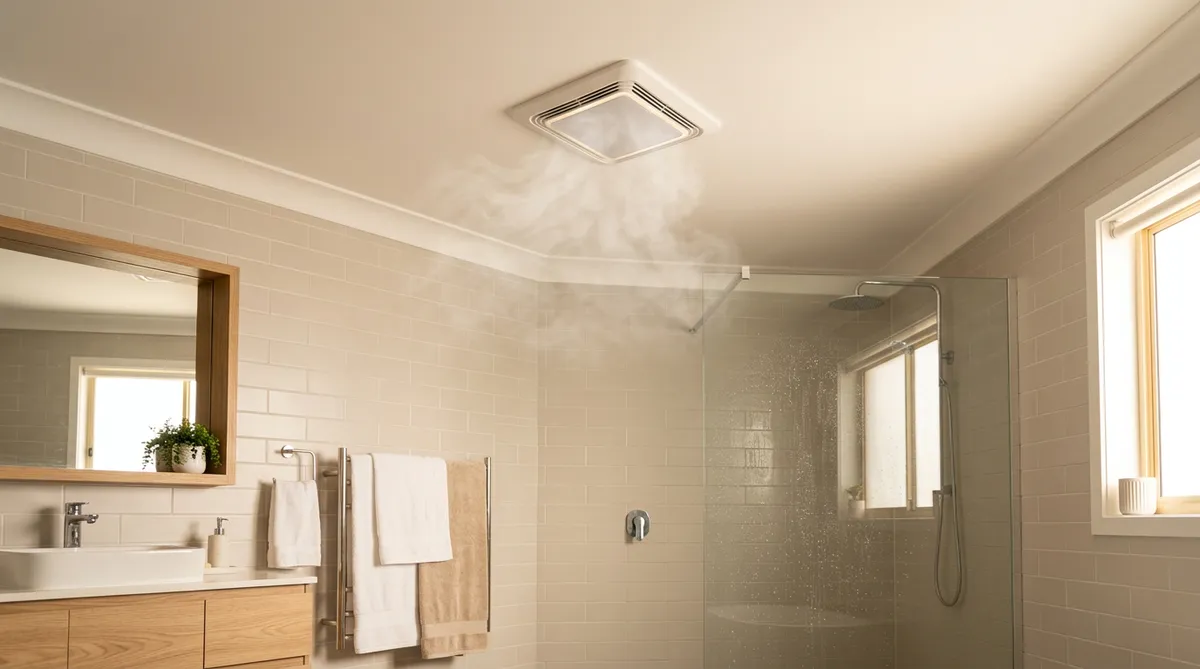
- Control Moisture: Fix leaks, improve ventilation, and use dehumidifiers to reduce humidity levels.
- Avoid DIY Bleach on Hidden Mold: Instead, focus on controlling moisture and call in professionals.
- Hire a Certified Mold Remediation Expert: They will perform a thorough inspection, testing if necessary, and safely remove mold.
- Prevent Future Problems: Keep humidity below 60%, use exhaust fans, and promptly repair leaks.
Final Thoughts
Mold behind walls is a serious issue that requires careful attention. While small, surface mold can sometimes be managed with DIY cleaning, extensive or hidden mold growth demands professional intervention. Remember, using bleach as a quick fix can often do more harm than good by trapping moisture and spores inside your walls.
When in doubt, consult a licensed mold remediation specialist who can ensure the problem is properly addressed, safeguarding your home and health for years to come.