How Long Should Your Furnace Last? Insider Tips from HVAC Pros
As winter approaches, many homeowners start thinking about their heating systems. If you're like most folks, you might wonder: how long should a furnace really last? The answer isn't a simple number—it's influenced by factors like maintenance, usage, and the type of furnace you have. At Contractor Link's The Pipeline, we're all about sharing pro tips from licensed contractors who see it all. In this post, we'll dive into the realities of furnace lifespans, what you can do to maximize yours, and when it's time to consider a replacement. Let's keep your home cozy without breaking the bank.
Understanding Furnace Lifespan Basics
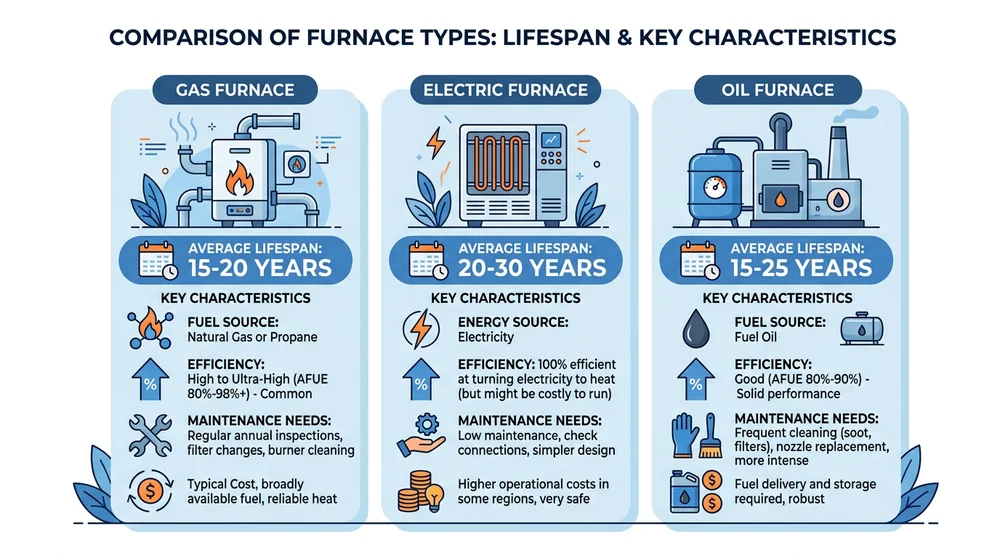
Furnaces are the heart of your home's heating system, especially in colder climates. On average, a well-maintained furnace lasts between 15 and 30 years, but that's a broad range. Gas furnaces, the most common type, typically hit the 15-20 year mark, while electric models can push closer to 20-30 years due to fewer moving parts and less wear from combustion.
Why the variation? It boils down to the furnace's build quality, how often it's used, and—most importantly—regular upkeep. Think of it like a car engine: neglect the oil changes, and it'll sputter out early. According to the U.S. Department of Energy, proper maintenance can extend a furnace's life by up to 50%. As contractors, we've replaced countless furnaces that could have lasted longer with basic care. If your unit is over 10 years old, it's worth paying attention to its performance.
Factors That Influence How Long Your Furnace Lasts
Not all furnaces age the same way. Here are the key factors that determine longevity:
Type of Furnace
- Gas Furnaces: These are efficient and popular, but they rely on burners and heat exchangers that can corrode over time. Expect 15-20 years if maintained well. High-efficiency models (AFUE ratings above 90%) might last longer thanks to better engineering.
- Electric Furnaces: Simpler design means fewer breakdowns. They often reach 20-30 years, but they're less common in very cold areas because they can be pricier to operate.
- Oil Furnaces: If you're in a rural spot, these might be your go-to. They last 15-25 years but require more frequent cleaning due to soot buildup from oil combustion.
Installation Quality
A poorly installed furnace is a ticking time bomb. If ducts aren't sealed properly or the unit isn't sized right for your home (too small, it overworks; too big, it short cycles), lifespan drops fast. Pro tip: Always hire a licensed contractor for installation. We've seen units fail in under 10 years due to DIY mishaps or shady installs.
Usage Patterns
Homes in extreme climates (think Midwest winters) put more stress on furnaces, shortening life to the lower end of the spectrum. Constant use without breaks leads to wear on components like the blower motor. If you run your furnace non-stop, consider zoning systems to reduce strain in unused areas.
Maintenance Habits
This is the big one. Dirty filters, neglected tune-ups, and ignored leaks can cut years off your furnace's life. The Air Conditioning, Heating, and Refrigeration Institute (AHRI) recommends annual professional inspections. Homeowners who skip these often face costly repairs—or full replacements—earlier than necessary.
Signs Your Furnace Is Nearing the End
Don't wait for a total breakdown in the dead of winter. Watch for these red flags that signal your furnace has outlived its prime:
- Strange Noises: Rattling, banging, or squealing could mean loose parts or a failing blower. Early intervention might save it, but persistent sounds often precede bigger issues.
- Uneven Heating: If some rooms are toasty while others feel like the Arctic, your furnace might be struggling. This inefficiency ramps up energy bills too.
- Rising Energy Costs: A drop in efficiency (check your AFUE rating) means it's working harder for less heat. If bills spike 20-30% without explanation, it's time to investigate.
- Frequent Repairs: If you're calling pros more than once a year, the repair costs might exceed the value of keeping an old unit.
- Age and Visible Wear: Cracks in the heat exchanger (a safety hazard) or rust are deal-breakers. For gas furnaces, carbon monoxide risks make immediate replacement essential.
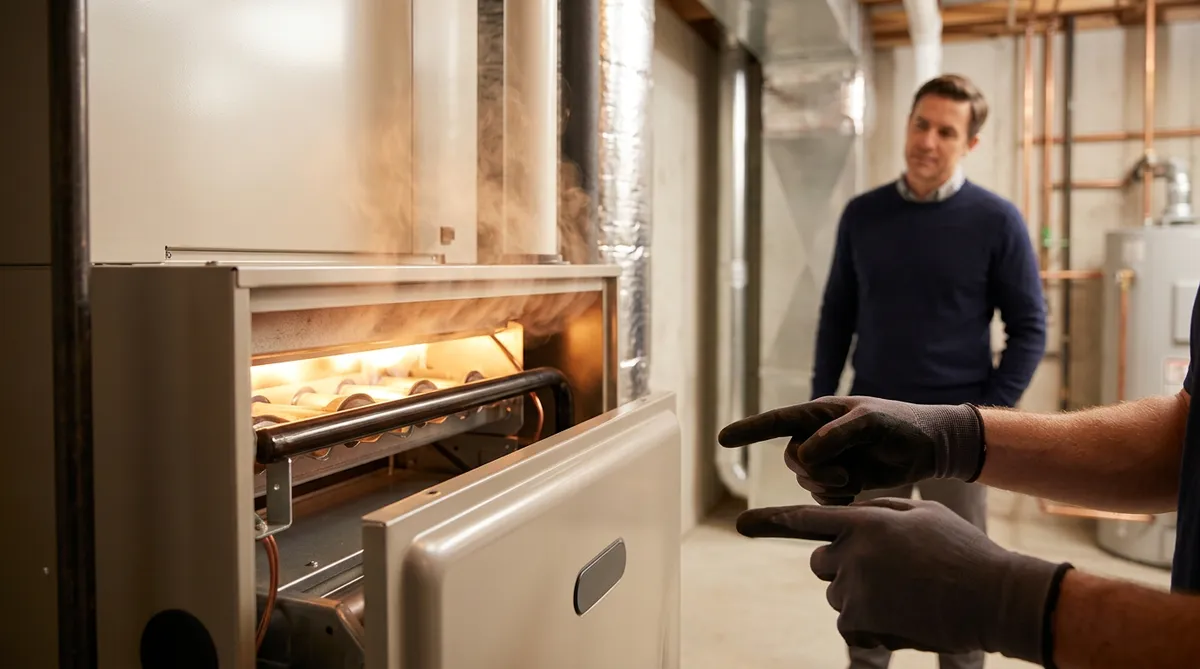
As HVAC contractors, we advise getting a professional assessment if your furnace is 15+ years old. A simple diagnostic can reveal if it's worth salvaging.
Essential Maintenance Tips to Extend Your Furnace's Life
The good news? You can take proactive steps to hit that upper lifespan limit. Here's a homeowner's guide to furnace care:
Change Filters Regularly
Dirty air filters restrict airflow, forcing your furnace to overheat and strain. Swap them every 1-3 months, depending on your home's dust levels and pet situation. Use high-MERV rated filters for better efficiency, but not so high they clog the system—aim for MERV 8-13.
Schedule Annual Tune-Ups
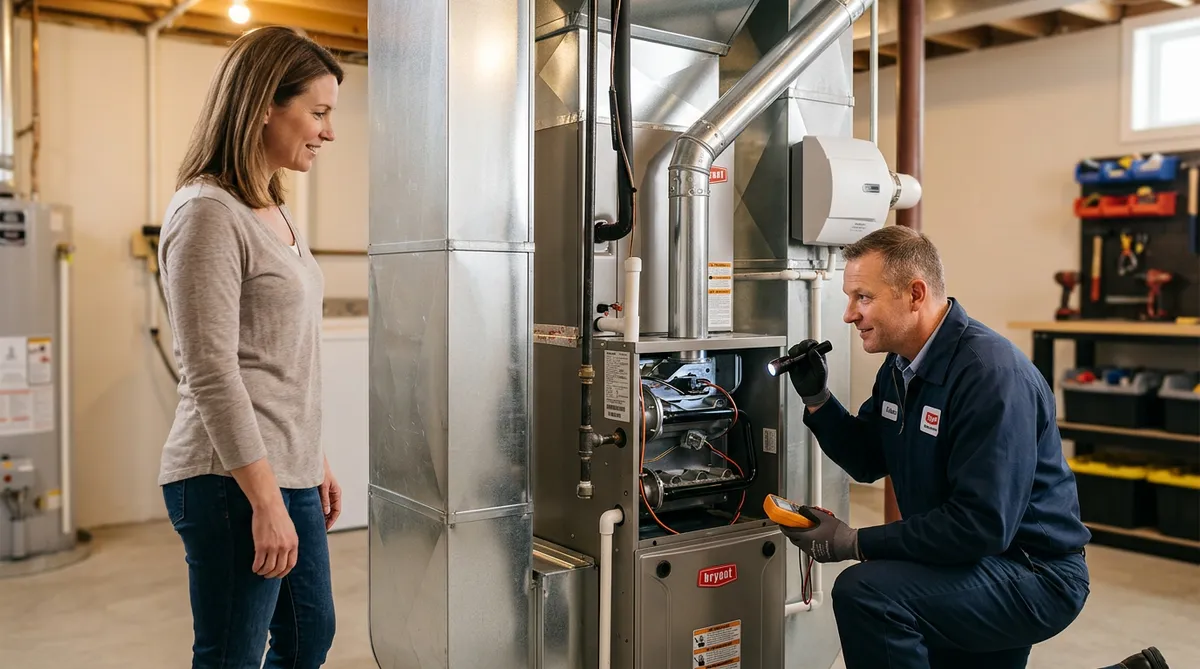
Book a professional inspection each fall before peak season. Techs will clean the burner, check electrical connections, and test safety controls. This prevents 80% of common failures, per industry stats. Cost? Around $100-200, a small price for peace of mind.
Keep It Clean and Clear
Dust around the unit? Wipe it down. Ensure vents are unobstructed—no furniture blocking registers. For outdoor components (like air intake), clear debris to avoid efficiency loss.
Monitor Thermostat Settings
Programmable or smart thermostats prevent unnecessary cycling. Set it to 68°F when home, 55-60°F when away. Avoid cranking it up high after being gone; gradual warm-up is gentler on the system.
Address Issues Promptly
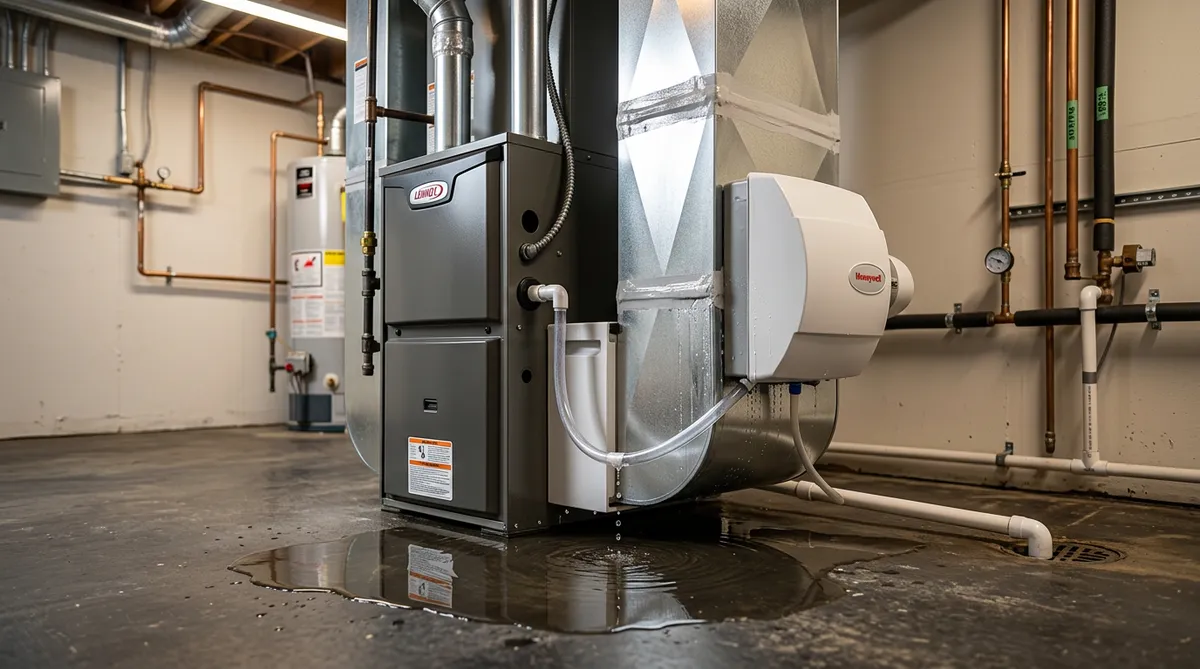
A small leak or odd smell? Call a contractor immediately. Ignoring it can lead to major damage, like water corrosion or gas hazards.
Following these tips, we've helped clients stretch 15-year furnaces to 25+ years. It's all about consistency.
When to Replace vs. Repair Your Furnace
Deciding between repair and replacement? Consider the 'rule of thumb': If repairs exceed 50% of a new unit's cost, replace it. For a $5,000 furnace, that's $2,500 in fixes.
Also factor in efficiency. Old furnaces (pre-1990s) might have AFUE ratings under 70%, wasting energy. New models hit 95%+, slashing bills by 20-40%. Government rebates via ENERGY STAR can offset costs—up to $600 federally, plus state incentives.
Replacement timing: Plan during off-season (spring/summer) for better deals and less disruption. Expect to pay $3,000-7,000 installed, depending on size and type. Get multiple quotes from licensed pros via Contractor Link to ensure fair pricing.
Cost-Saving Strategies for Furnace Longevity
Investing in maintenance pays off. Beyond basics, consider:
- Upgrading to High-Efficiency: Longer life plus lower bills.
- Whole-Home Air Sealing: Reduces workload on the furnace.
- Duct Cleaning: Every 5-7 years, removes buildup that shortens life.
Homeowners who've followed our advice often report 10-15% energy savings annually. It's not just about lifespan—it's about smarter homeownership.
Final Thoughts: Keep Your Home Warm and Your Wallet Happy
So, how long should a furnace really last? With proper care, 20-30 years is achievable, but it starts with you. Regular maintenance, prompt repairs, and knowing when to upgrade keep your system reliable and efficient. If you're unsure about your furnace's health, connect with a local contractor through Contractor Link. We're here to help you navigate home improvement like a pro.
Stay tuned to The Pipeline for more tips from the pros who fix it.