Heat Pumps in 2026: How They Work, Climate Compatibility, and Real Rebates
Understanding Heat Pumps in 2026
Heat pumps have become a cornerstone of modern, energy-efficient home heating and cooling. As we step into 2026, these systems are more advanced, versatile, and accessible than ever before. But how exactly do they work, and are they a good fit for your home?
How Do Heat Pumps Work?
At their core, heat pumps are clever devices that transfer heat from one place to another, rather than generating heat through combustion or resistance. They operate on a principle similar to a refrigerator, but in reverse for heating.
The Basic Components
- Evaporator Coil: Absorbs heat from the outside air, ground, or water.
- Compressor: Pressurizes the refrigerant, increasing its temperature.
- Condenser Coil: Releases heat into your home’s ductwork or radiant system.
- Expansion Valve: Lowers refrigerant pressure, preparing it to absorb heat again.
How They Work in Different Seasons
- Heating Mode: The heat pump extracts heat from the cold outside air (even at low temperatures) and brings it inside.
- Cooling Mode: It reverses the process, removing heat from your home and releasing it outside.
Advances in 2026
Modern heat pumps now incorporate inverter technology, variable-speed compressors, and enhanced refrigerants, making them more efficient and capable of operating effectively in colder climates than earlier models.
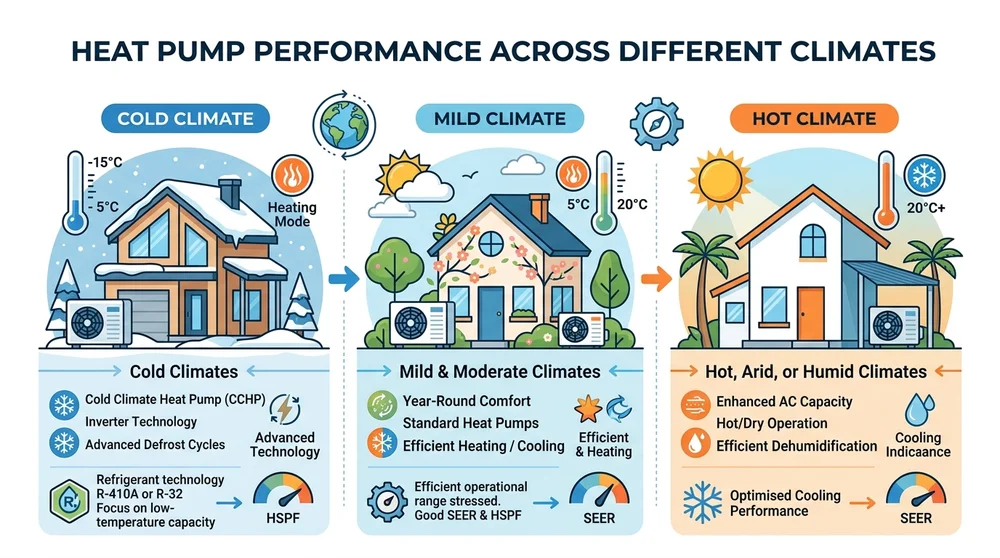
Are Heat Pumps Suitable for Your Climate?
One common concern is whether heat pumps can handle your local weather. The good news is that technology has come a long way.
Cold Climates
In 2026, many heat pumps are rated for temperatures as low as -15°F or even -20°F. These models use advanced refrigerants and compressor technology to maintain efficiency in colder weather. If you live in a northern climate, look for units labeled as "cold climate" heat pumps.
Mild to Moderate Climates
For areas with milder winters, almost any modern heat pump will perform efficiently, providing both heating and cooling with lower energy bills.
Hot and Humid Climates
In regions with high humidity and hot summers, heat pumps excel at cooling. Many models also include dehumidification features, improving indoor comfort.
Consider Your Home’s Insulation and Ductwork
Efficiency isn’t just about climate. Proper insulation, sealing leaks, and well-maintained ductwork can maximize your heat pump’s performance regardless of where you live.
Which Rebates and Incentives Are Available in 2026?
Financial incentives make upgrading to a heat pump more attractive. Here’s what you should know about rebates and tax credits in 2026.
Federal Incentives
The Inflation Reduction Act of 2022 introduced significant federal tax credits for energy-efficient home upgrades, including heat pumps. In 2026, these credits often cover up to 30% of installation costs, with caps depending on the system.
State and Local Rebates
Many states and municipalities offer additional rebates or incentives. Check with your local energy authority or utility provider for programs specific to your area.
Manufacturer Promotions
Some manufacturers run promotional rebates or financing options, especially when new models are launched. Always ask your contractor about current deals.
How to Maximize Your Savings
- Combine Incentives: Use federal, state, and manufacturer rebates together.
- Choose ENERGY STAR® Certified Models: These qualify for the highest rebates and are the most efficient.
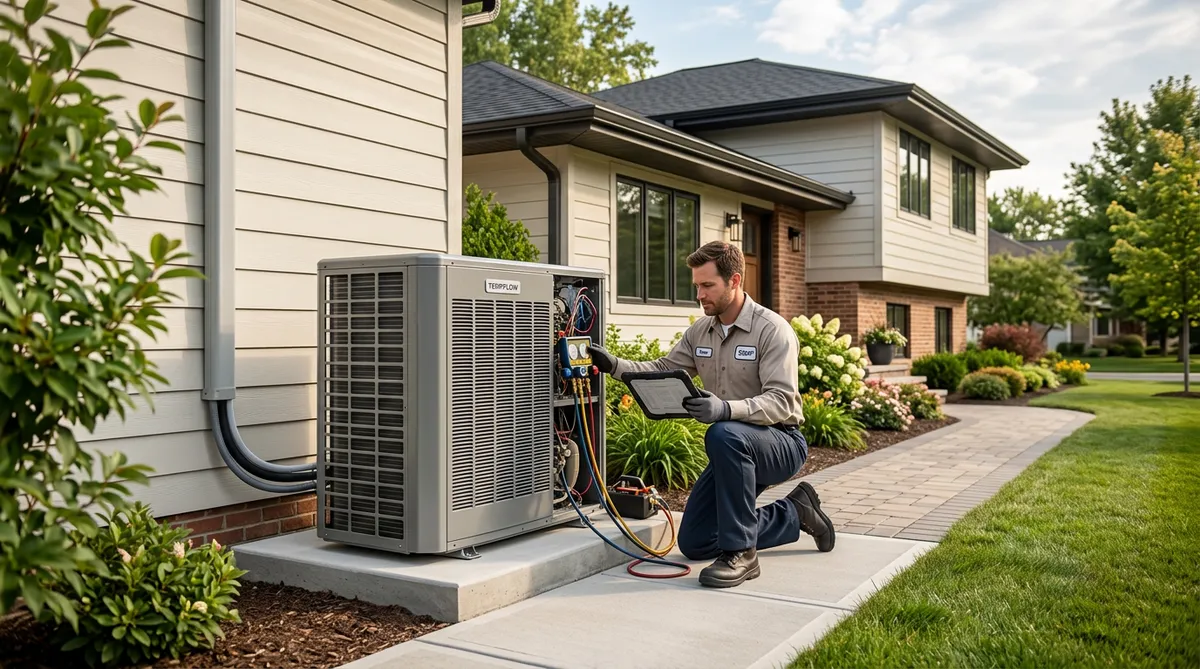
- Work with Licensed Contractors: Proper installation is crucial for maximizing efficiency and rebate eligibility.
Final Thoughts
In 2026, heat pumps are more capable, efficient, and versatile than ever. Whether you live in a cold, mild, or hot climate, there’s likely a model suited for your home. Plus, with generous rebates and incentives still available, upgrading your HVAC system can be a smart financial move.
By understanding how heat pumps work, assessing their suitability for your climate, and navigating available rebates, you can make an informed decision that enhances your home’s comfort and reduces your energy bills for years to come.