Spring Home Maintenance Checklist: Room-by-Room Guide to Prep for Summer
As the days lengthen and flowers start to bloom, it's a signal from Mother Nature that your home needs some TLC too. At The Pipeline, we've seen countless homeowners skip spring maintenance only to face costly repairs when summer hits. That's why we're sharing this room-by-room checklist—straight from the pros who fix it. Whether you're a DIY enthusiast or know when to call in reinforcements, these steps will help you inspect, clean, and service key areas. Aim to tackle this over a weekend or two, and you'll enter summer with peace of mind.
Kitchen: Tackle Grease, Leaks, and Fire Hazards
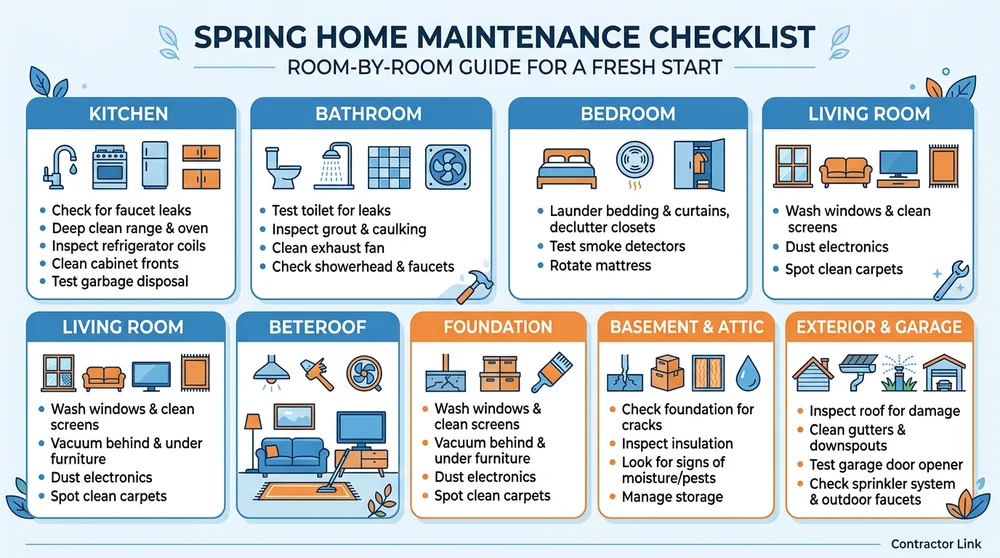
The kitchen is the heart of the home, but it's also prone to buildup from winter cooking. Start by deep-cleaning your appliances. Empty the fridge and freezer, wiping down shelves with a mild vinegar solution to remove odors and spills. Check the seals on doors—if they're cracked or loose, they'll make your unit work harder, spiking energy bills. For the oven and stovetop, use a degreaser to scrub away baked-on residue; if it's a gas stove, inspect the burners for even flames and no gas leaks (a soapy water test on connections will bubble if there's an issue).
Don't forget the sink and plumbing. Run hot water down the drain to flush out winter gunk, then pour a half-cup of baking soda followed by vinegar for a natural clean. Inspect under the sink for leaks or corrosion on pipes—tighten connections if needed, but if you spot rust or drips, it's time for a pro plumber. Cabinets and drawers should be organized; wipe down interiors to prevent mold from any spills. Finally, test your fire extinguisher (press the pin to check pressure) and replace the battery in your smoke detector. A well-maintained kitchen not only looks great but reduces fire risks during summer barbecues.
Bathroom: Prevent Mold and Ensure Safe Water Flow
Bathrooms can turn into moisture traps after winter humidity shifts. Begin with the shower or tub: scrub grout lines with a baking soda paste to kill mold spores, and check caulking around edges—if it's peeling, reseal it with silicone to stop water seepage. For toilets, add a few drops of food coloring to the tank; if color appears in the bowl after an hour, you have a leaky flapper that wastes water and money.
Inspect faucets and showerheads for drips or low pressure. Clean aerators by soaking in vinegar to remove mineral buildup, which improves flow and saves on water bills. If your bathroom has a fan, run it during a shower and ensure it vents outside—not into the attic—to avoid moisture buildup. Check the water heater too; flush the tank to remove sediment (turn off power first and attach a hose to the drain valve). If it's over 10 years old or shows signs of rust, consider a professional inspection. These steps keep your bathroom fresh and functional, warding off the mildew that thrives in summer humidity.
Bedroom: Freshen Air and Check for Pests
Bedrooms are sanctuaries, so spring is ideal for refreshing them. Wash all bedding in hot water to eliminate dust mites, and vacuum mattresses thoroughly—flip them if it's time for rotation. Inspect windows and screens for cracks or tears; repair with clear tape temporarily or replace for better insulation against summer heat. Clean window tracks with a vacuum and soapy water to prevent dust accumulation.
Check electrical outlets and cords for fraying, especially near beds where chargers gather. Plug in a nightlight or use a tester to ensure outlets work safely. For closets, declutter and wipe shelves; look for signs of pests like droppings or chew marks. If you spot any, seal entry points with caulk. Adjust or clean baseboard heaters if you have them, and ensure ceiling fans spin freely—lubricate blades if squeaky. A clean, pest-free bedroom promotes better sleep as temperatures rise.
Living Room: Dust Deep and Inspect Furniture
The living room sees heavy traffic, so dust bunnies multiply fast. Start high: use a microfiber duster on ceiling fans, light fixtures, and crown molding to capture allergens before they stir up in summer breezes. Vacuum upholstery and carpets thoroughly, including under furniture—lift cushions to shake out crumbs that attract bugs.
Inspect your entertainment center: clean vents on TVs and electronics to prevent overheating, and check cables for wear. For fireplaces, if you use one, have the chimney swept professionally to remove creosote buildup, reducing fire risks. Windows here are key—clean both sides for natural light, and test locks for security. If you have area rugs, beat them outside or steam clean to refresh. These maintenance habits keep your living space inviting and safe for family gatherings.
Basement and Attic: Hunt for Moisture and Insulation Issues
Often overlooked, basements and attics are critical for temperature control. In the basement, check for water stains on walls or floors from winter thaws—use a dehumidifier if humidity exceeds 50%. Inspect sump pumps: pour water into the pit to ensure it activates and drains properly. Clean gutters outside to direct water away, preventing foundation issues.
For the attic, look for insulation gaps; add more if it's thin, focusing on edges to block summer heat. Check vents for blockages from debris or nests—clear them to maintain airflow. Inspect roof from inside for leaks (soft spots or discoloration) and rafters for rot. If you store items here, organize to improve air circulation and spot pest signs early. Proper basement and attic care saves energy and prevents structural headaches down the line.
Exterior and Garage: Protect from Sun and Storms
Step outside to assess your home's skin. Walk the perimeter, checking siding or brick for cracks—seal with caulk to stop water intrusion. Clean gutters and downspouts fully; ensure they're clear to handle summer rains. Trim overgrown bushes away from the house to deter pests and improve airflow.
For the garage, lubricate door tracks and hinges with a silicone spray for smooth operation—test the auto-reverse safety feature by placing a broomstick in the path. Inspect the roof for missing shingles or loose flashing; a quick pro check can catch issues early. Power wash the driveway and sidewalks to remove winter salt residue, preventing cracks. Hose down outdoor furniture and store patio items if not in use. These exterior tasks shield your home from summer's UV rays and storms.
Whole-Home Systems: HVAC, Plumbing, and Electrical Tune-Ups
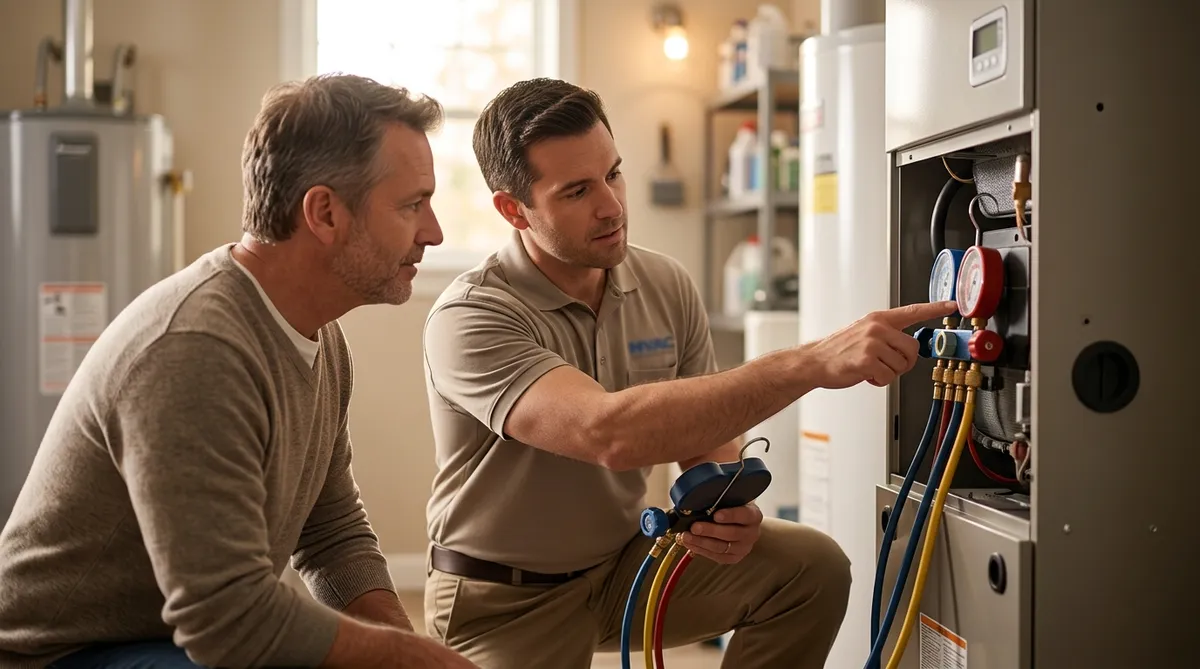
Beyond rooms, focus on systems that keep everything running. Schedule an HVAC tune-up: change air filters, clean coils, and have ducts inspected for leaks— this boosts efficiency before AC season. Test your water pressure throughout the house; low flow might mean clogged pipes needing a pro flush.
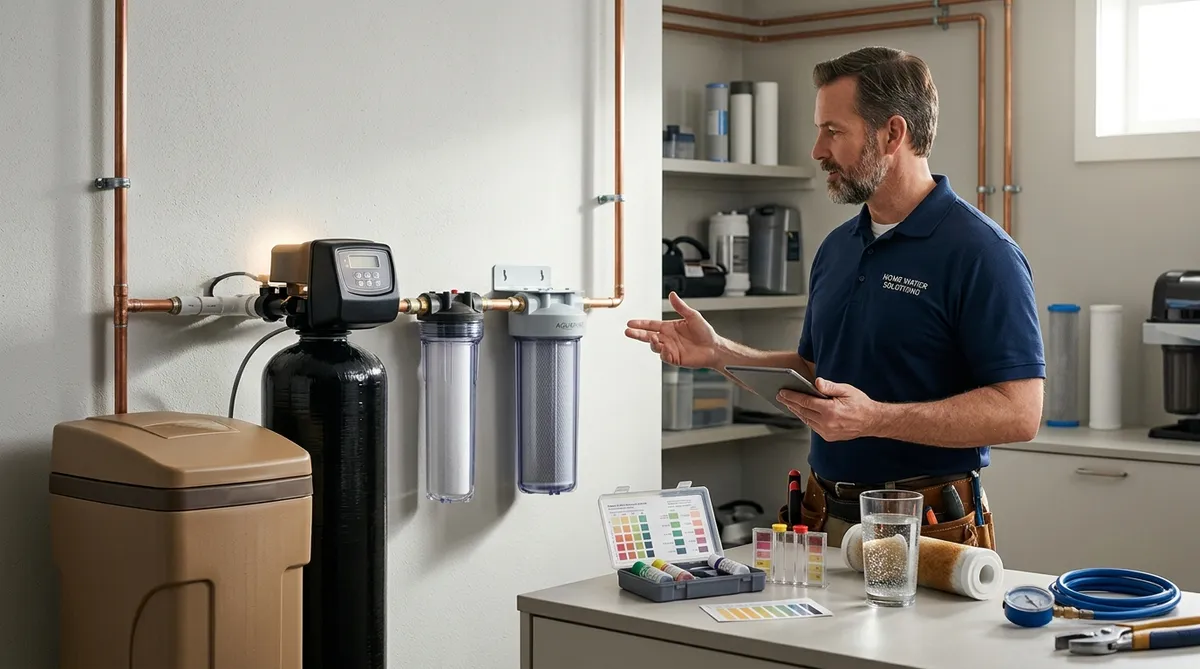
For electrical, flip breakers off and on to ensure they trip correctly, and check the main panel for corrosion. Smoke and CO detectors need fresh batteries—test monthly. If you're on well water, test for contaminants. These system checks, ideally with a licensed contractor, ensure reliability when summer demands peak performance.
Wrapping up your spring checklist doesn't have to be overwhelming—break it into rooms and enlist help where needed. By investing time now, you'll avoid surprises later, keeping your home in top shape for sunny days ahead. From the team at The Pipeline, happy maintaining!