7 Clear Signs Your Air Conditioner Needs Replacement (Not Just a Recharge)
As the temperatures climb and your home starts feeling more like a sauna than a sanctuary, it's natural to turn to your air conditioner for relief. But what happens when that trusty unit just isn't cutting it anymore? Many homeowners jump straight to recharging the refrigerant, thinking that's the fix-all solution. However, as experienced contractors at ContractorLink.pro, we've seen countless cases where a recharge is just a band-aid on a deeper problem. If your AC is showing certain red flags, it could be signaling the end of its lifespan and the need for a complete replacement.
In this post, we'll walk you through seven telltale signs that your air conditioner is ready for retirement. These insights come straight from the pros who install, repair, and replace HVAC systems every day. Spotting these issues early can save you from skyrocketing energy bills, uncomfortable summers, and even bigger repair headaches down the line. Let's dive in.
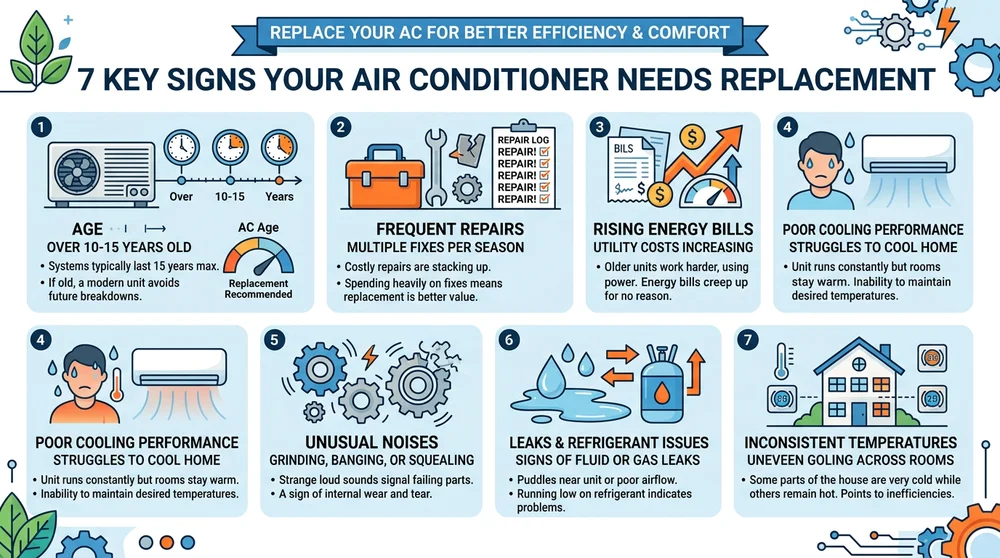
1. It's Over 10-15 Years Old
One of the most straightforward indicators that your air conditioner needs replacing is its age. Most central AC units have a lifespan of about 10 to 15 years, depending on maintenance, usage, and environmental factors. If your system is pushing past this milestone, it's likely operating at reduced efficiency, even if it's still running.
Why does age matter so much? Over time, components like the compressor, coils, and fan motor wear down. Refrigerant lines can develop leaks, and the overall efficiency drops, meaning your unit works harder to cool your home. According to the U.S. Department of Energy, older units can lose up to 5% efficiency every year after the 10-year mark.
Pro Tip: Check your AC's manufacture date—it's usually on the unit's label outside your home. If it's older than 12 years and showing any other symptoms, start budgeting for a replacement. Modern units are far more energy-efficient, often qualifying for rebates that can offset costs. Don't wait for a total breakdown; proactive replacement keeps your home comfortable without the surprise expenses.
2. Frequent and Costly Repairs
If your AC seems to be in the shop more often than it's cooling your home, that's a big red flag. When repairs start piling up—say, fixing the same issue multiple times or dealing with new problems every season—it's a sign the unit is on its last legs.
Repairs for older ACs can get expensive quickly. A simple capacitor replacement might cost $150-$300, but if you're looking at compressor issues, you're talking $1,000 or more. At that point, the cost of repairs often approaches or exceeds half the price of a new system. As contractors, we always advise homeowners: if annual repair bills exceed 50% of a new unit's cost, replacement makes more financial sense.
What to Watch For: Track your repair history. If you've spent more than $500 in the last year on fixes, or if the technician mentions 'band-aid' solutions, it's time to consider upgrading. A new AC will run smoother, quieter, and with fewer interruptions, giving you peace of mind during those sweltering months.
3. Skyrocketing Energy Bills
Your utility bills are a direct window into your AC's health. If you've noticed a sudden spike in energy costs without changing your habits—like running the thermostat higher or adding square footage—your air conditioner might be the culprit.
Inefficient units guzzle electricity because they're constantly straining to maintain temperature. Dirty coils, low refrigerant, or a failing compressor all contribute to this. The average homeowner spends about $300-$400 annually on AC cooling, but an old unit can push that 20-30% higher.
Practical Advice: Compare your bills from the same period last year. A 15-20% increase without explanation warrants a professional inspection. While a recharge might help temporarily if refrigerant is low, it won't fix underlying inefficiency. Opting for a high-SEER (Seasonal Energy Efficiency Ratio) rated new unit—aim for 16 or higher—can cut your bills by up to 40%. It's an investment that pays off quickly.
4. Inadequate Cooling Performance
Nothing is more frustrating than cranking the thermostat to 72°F only to feel warm air blowing from the vents. If your AC isn't cooling your home effectively, even after a tune-up or recharge, it could indicate major internal issues.
This often stems from a clogged condenser, damaged evaporator coils, or insufficient refrigerant circulation—problems that worsen over time. A recharge might boost cooling short-term, but if the system has leaks or compressor failure, the refrigerant will escape again soon.
Homeowner Hack: Test your system by setting it to cool and checking vents in different rooms. If some areas stay stuffy while others are chilly, or if it takes hours to lower the temperature, call in a pro. They'll perform a load calculation to ensure the unit's size matches your home. Replacing with a properly sized, modern AC ensures even cooling and better humidity control, especially in humid climates.
5. Unusual Noises or Vibrations
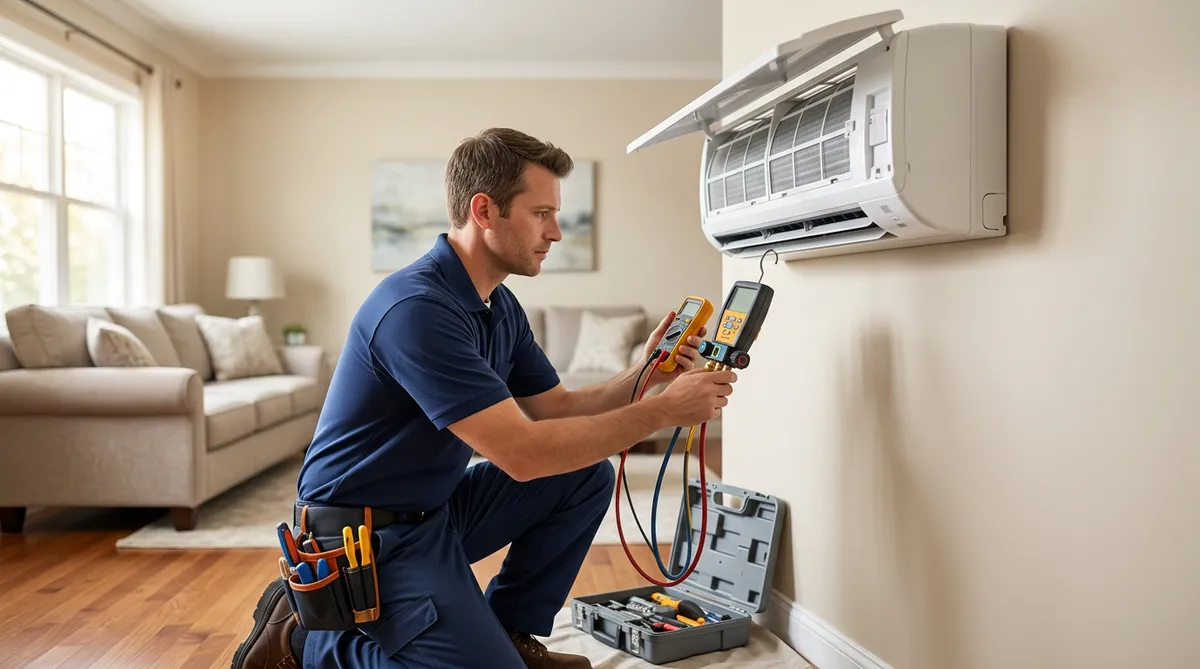
A well-maintained AC should hum quietly, not rattle, bang, or screech. Strange noises are often the first audible warning that parts are failing. Grinding sounds might mean worn bearings in the fan motor, while banging could signal loose parts or a failing compressor.
Vibrations, too, aren't normal—they can indicate an unbalanced fan or mounting issues that stress the entire system. Ignoring these can lead to complete breakdowns mid-summer.
What to Do: Don't DIY noisy ACs; the risks are high for electrical shocks or further damage. Have a technician listen in—they can pinpoint issues like a dying blower motor. If repairs involve multiple components, replacement is usually wiser. Newer models are designed for minimal noise, often under 70 decibels, so you'll enjoy a quieter home environment.
6. Leaks, Either Water or Refrigerant
Spotting puddles around your indoor unit or oily residue near the outdoor condenser? Leaks are a serious sign your AC needs more than a recharge.
Water leaks often come from a frozen evaporator coil (due to low refrigerant or airflow issues), leading to drainage problems. Refrigerant leaks, on the other hand, are environmental hazards and illegal to ignore under EPA regulations. A recharge without fixing the leak is pointless—it'll just leak out again.
Safety First: Refrigerant like R-410A is toxic and can harm your health or the ozone layer. If you smell a sweet, chemical odor or see ice on coils, shut off the unit and call a licensed HVAC tech immediately. They’ll use leak detectors and pressure tests to diagnose. Replacement is ideal for units with chronic leaks, as patching them is temporary and costly.
7. Inconsistent Temperatures Room to Room
Your AC should distribute cool air evenly throughout your home. If one room feels like an icebox while the hallway is a hot zone, the system is struggling—possibly due to duct issues, a weak blower, or zoning problems in an aging unit.
This inconsistency often worsens with age as the thermostat struggles to communicate with the system. A recharge won't address airflow or distribution flaws.
Fix It Right: Start with simple checks like cleaning vents and filters, but if that doesn't help, a pro can assess ductwork and system balance. Upgrading to a variable-speed AC with smart zoning can transform your home's comfort, eliminating hot spots and cold drafts for good.
In wrapping up, these signs aren't just annoyances—they're your AC's way of saying it's time for an upgrade. While a refrigerant recharge can revive a mildly underperforming unit, it's no match for the wear and tear of time. As pros, we recommend annual maintenance to extend life, but when replacement beckons, the benefits are clear: lower bills, better comfort, and fewer headaches.
If you're unsure, get a free consultation from a licensed contractor through ContractorLink.pro. They'll evaluate your system and help you choose the right replacement for your home and budget. Stay cool out there!