Your Dryer Vent Is a Fire Hazard You're Ignoring — Warning Signs, Cleaning Frequency, and Why Longer Vent Runs Are Riskier
The Hidden Danger of Dryer Vents
Many homeowners overlook their dryer vents, assuming they’re just a simple exhaust system. However, a neglected or clogged dryer vent is one of the leading causes of household fires. According to the National Fire Protection Association, nearly 3,000 home fires each year are caused by lint buildup in dryer vents. Understanding the risks and maintenance tips can help you protect your home and family.
Warning Signs Your Dryer Vent Needs Attention
Being aware of the signs that your dryer vent is clogged or unsafe is crucial. Here are common indicators:
- Longer Drying Times: If your clothes are taking significantly longer to dry, it’s a sign that air isn’t flowing freely.
- Overheating Dryer: An unusually hot dryer or a burning smell during operation can indicate vent blockage.
- Excess Lint Accumulation: Visible lint around the dryer or on the vent opening suggests buildup inside.
- Vent Hood Doesn’t Open Properly: If the outdoor vent flap doesn’t open fully or stays closed, airflow is restricted.
- Increased Energy Bills: Inefficient drying means your dryer is working harder, consuming more electricity.
How Often Should You Clean Your Dryer Vent?
Routine maintenance is key to preventing fire hazards. The general recommendation is:
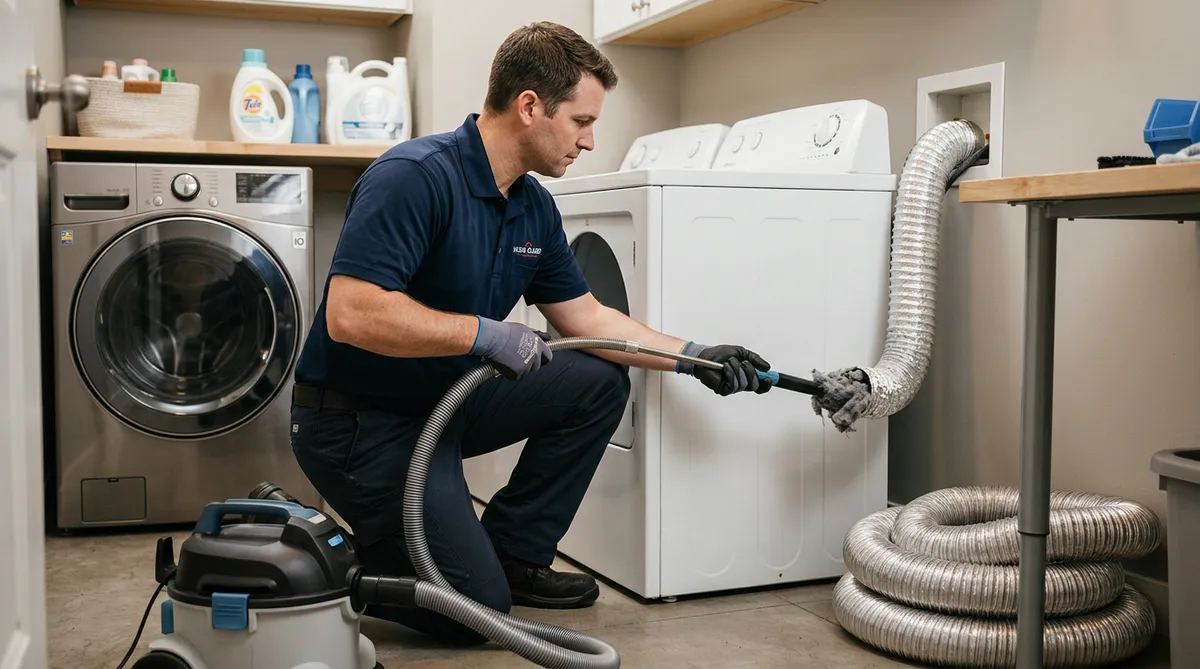
- Professional Cleaning: At least once a year for most households.
- DIY Inspection and Cleaning: Every 3 to 6 months, check the vent for lint buildup and clean as needed.
Keep in mind, the frequency may vary based on usage. If you have a large family or do multiple loads daily, more frequent cleaning is advisable.
Why Longer Vent Runs Are Riskier
Many homeowners opt for longer vent runs to accommodate their home layout, but this can significantly increase fire risk. Here’s why:
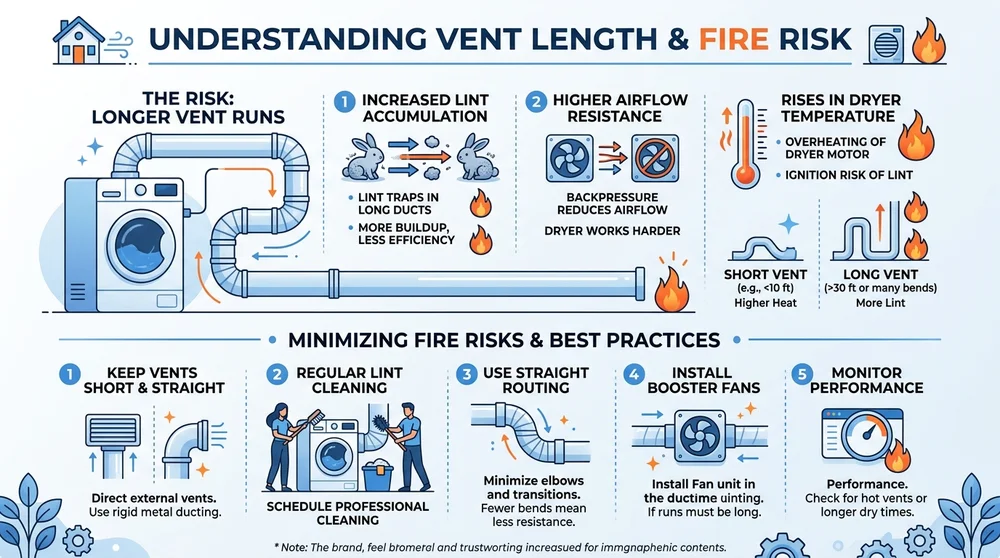
- Increased Lint Accumulation: Longer ducts provide more surface area for lint to settle and cling.
- Reduced Airflow: The longer the vent, the more resistance to airflow, making it harder for lint and hot air to escape.
- Higher Temperatures: Longer runs can cause the dryer to overheat, especially if airflow is restricted.
- Greater Detachment of Lint: The more bends and length, the more lint can break off and accumulate in hidden areas.
To mitigate these risks, consider:
- Using the shortest, most direct vent route possible.
- Installing a high-quality, smooth-walled vent pipe to reduce resistance.
- Regularly inspecting and cleaning the entire length of the duct.
Best Practices for Safe Dryer Vent Maintenance
To keep your dryer vent safe and efficient:
- Schedule Annual Professional Cleanings: Experts have specialized tools to thoroughly clean your vent system.
- Perform Regular DIY Checks: Remove the vent cover and inspect for lint buildup.
- Use the Right Venting Materials: Rigid or semi-rigid metal ducts are safer than flexible plastic or foil hoses.
- Keep the Outdoor Vent Clear: Ensure the outdoor vent flap opens freely and isn’t blocked by debris or snow.
- Avoid Overloading Your Dryer: Overloading can cause excess lint and strain the vent system.
Final Thoughts
Your dryer vent plays a vital role in home safety. Ignoring warning signs or neglecting regular cleaning can turn a simple appliance into a fire hazard. By understanding the risks associated with longer vent runs and maintaining your system properly, you can keep your home safe and your dryer running efficiently.
Remember, when in doubt, consult a licensed professional to inspect and clean your dryer vent system. A small investment in maintenance can prevent a devastating fire and save you money and stress in the long run.