Signs Your Siding Is Hiding a Bigger Problem: Buckling, Soft Spots, and Warping Revealed
Your home's siding does more than just make your house look good—it's the first line of defense against the elements. But when you notice buckling, soft spots, or warping, it's not always just about age or weather exposure. These issues often point to a stealthier culprit: moisture infiltration behind the walls. As contractors who've seen it all, we've repaired countless homes where what started as a minor siding glitch turned into a major structural headache. In this post, we'll break down these warning signs, explain why they happen, and share practical steps you can take to address them before they escalate.
Understanding Healthy Siding
Before diving into the problems, let's talk about what good siding looks like. Whether it's vinyl, wood, fiber cement, or aluminum, properly installed siding should lie flat against your home's exterior, with even seams and no unusual movements. It expands and contracts slightly with temperature changes, but nothing dramatic. Colors stay vibrant, and there are no mysterious dents or bubbles.
Healthy siding also means a dry house. Water should bead up and roll off, not seep in. If your siding was installed with proper flashing, house wrap, and ventilation, it should handle rain, snow, and humidity without issue. But over time, or due to poor installation, wear and tear can invite trouble. Spotting the difference early can save you thousands in repairs.
Spotting Buckling Siding: The Push and Pull of Trouble
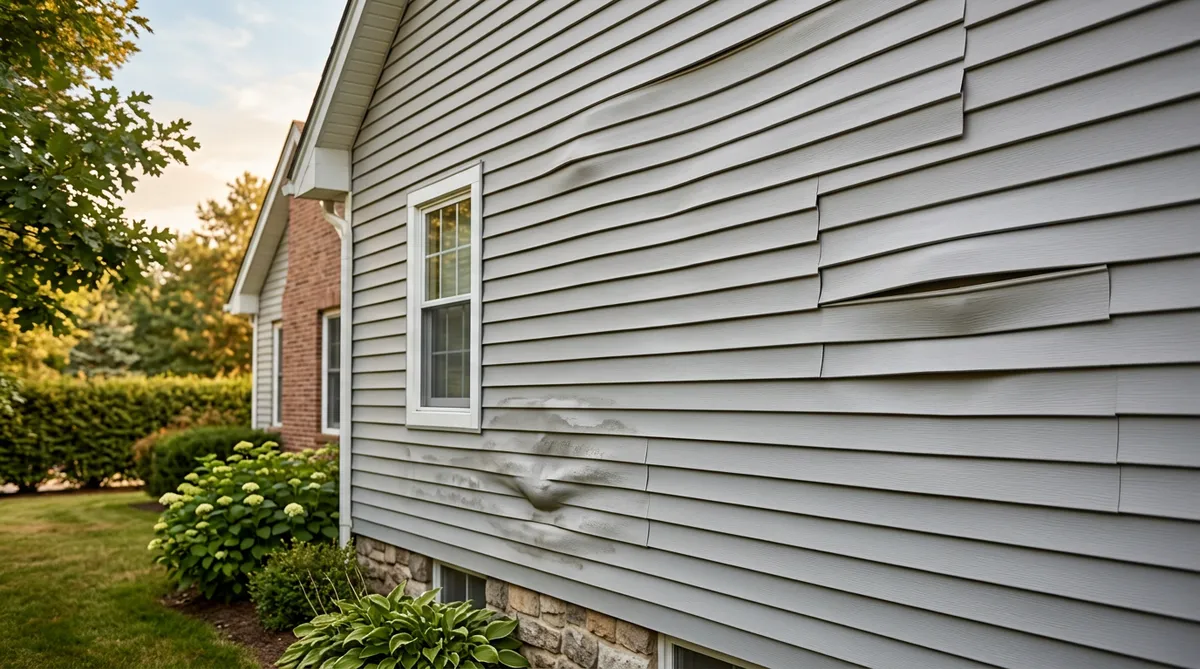
Buckling is one of those eye-catching signs that something's off. You'll see sections of siding popping out or waving like a flag in the wind—except there's no breeze. This usually happens with vinyl or aluminum siding, which can expand when heated but gets stuck if moisture or poor installation is involved.
Why does it buckle? Often, it's trapped moisture. Water gets behind the siding through cracks, gaps around windows, or faulty seams. As it heats up, the moisture turns to steam, pushing the siding outward. We've torn off buckled panels to find rotted sheathing underneath, a sure sign of long-term water damage.
What can you do? Start with a visual inspection. Walk around your home on a sunny day and look for any protruding areas, especially near the roofline or foundation where water pools. Gently press on suspect spots—if it gives way or feels unstable, don't ignore it. For a quick DIY check, use a putty knife to probe edges; if it slips in easily, moisture might be at play. But here's our pro tip: Don't try to hammer it back yourself. That can crack the material and worsen the leak. Call a licensed contractor for a full assessment—they'll use tools like moisture meters to confirm without guesswork.
Soft Spots: The Silent Rot Indicator
Soft spots are sneakier than buckling because they're not always visible from afar. You might walk by a section of siding daily without noticing until you touch it. Press your fingers against the surface; if it sinks in like a soggy sponge, you've got a problem. This is common in wood or fiber cement siding exposed to prolonged dampness.
These soft areas form when water repeatedly wets the substrate behind the siding—think OSB sheathing or plywood. Mold and rot set in, weakening the structure. In humid climates or after heavy storms, this can happen fast. One client we worked with thought it was just fading paint, but peeling back the siding revealed black mold and crumbling wood that could have compromised the entire wall.
Practical advice for homeowners: Perform regular touch tests during your seasonal inspections. Focus on north-facing walls or areas shaded by trees, as they dry slower. If you find a soft spot, mark it with tape and avoid poking holes that could let more water in. Document it with photos and note any musty smells inside nearby—that's another clue. Immediate action? Seal any obvious entry points like cracked caulk around windows with a high-quality exterior sealant. Then, get a pro to remove and replace the affected siding. Delaying can lead to interior damage, like warped drywall or electrical issues.
Warping Siding: Twisting Out of Shape
Warping takes buckling and soft spots to the next level—your siding literally twists or bows, creating uneven lines that throw off your home's curb appeal. Wood siding is especially prone to this, as it absorbs moisture unevenly, swelling on one side while drying on the other.
The root cause? Again, moisture imbalance. Poor drainage from gutters, clogged downspouts, or even sprinklers hitting the walls can cause this. We've seen warping accelerate in freeze-thaw cycles, where water expands as ice, prying the material apart. Left unchecked, it leads to gaps that invite pests or more water.
To check for warping, sight down the wall from a distance—look for waves or curves that shouldn't be there. Up close, measure gaps between panels; anything over 1/8 inch is suspect. Our recommendation: Clean your gutters twice a year to prevent overflow, and ensure soil slopes away from the foundation by at least 6 inches over 10 feet. If warping is evident, a contractor can assess if it's surface-level (sanding and repainting might suffice for wood) or deeper (requiring full replacement). In severe cases, they might need to inspect the framing for rot.
Why Moisture Is the Common Culprit
Buckling, soft spots, and warping aren't isolated cosmetic flaws—they're symptoms of water getting where it shouldn't. Siding acts as a shield, but without proper barriers like house wrap or weep holes, moisture sneaks in. Once behind the wall, it creates a perfect environment for rot, mold, and even termites.
In our experience, 80% of siding issues trace back to installation errors or neglected maintenance. For instance, missing kick-out flashing at roof-to-wall junctions lets water cascade behind. Or, in older homes, deteriorating caulk fails, opening pathways. The result? Not just ugly siding, but potential health hazards from mold spores and structural weakness that could cost $10,000+ to fix if it spreads to the interior.
Additional Red Flags to Monitor
Don't stop at the big three—keep an eye out for these other signs of hidden moisture:
Fading or Bubbling Paint: Paint lifts when moisture pushes from below.
Stains or Discoloration: Dark streaks often mean water trails.
Interior Clues: Peeling wallpaper, damp smells, or condensation inside walls.
Pest Activity: Termites love damp wood; look for mud tubes or frass.
A full exterior audit every spring and fall can catch these early. Use binoculars for hard-to-reach spots and a flashlight for shadows.
Steps to Take When You Suspect a Problem
Found a sign? Here's your action plan:
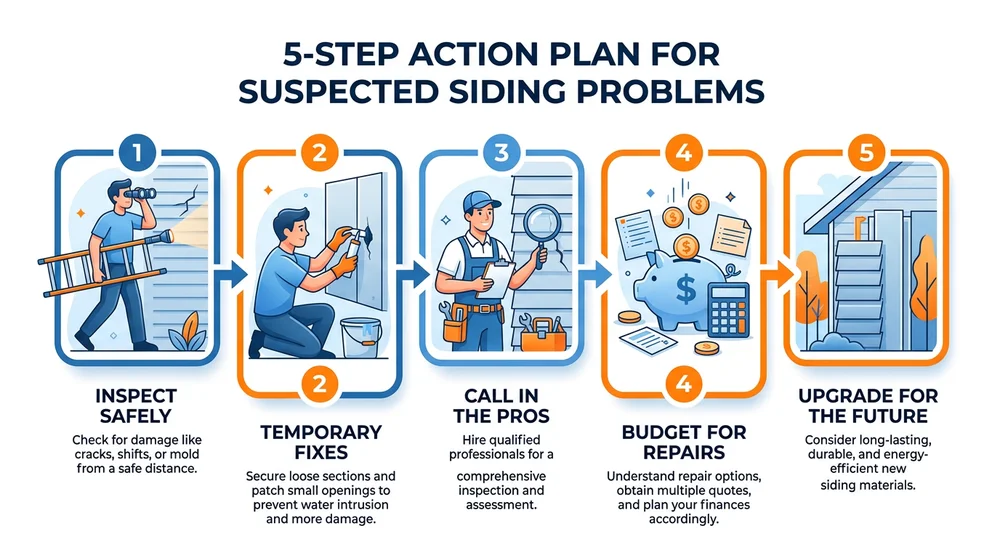
Inspect Safely: Use a sturdy ladder and work with a buddy. Avoid wet conditions.
Temporary Fixes: Apply caulk to small cracks and trim vegetation away from walls to improve airflow.
Call in the Pros: Search for licensed contractors via platforms like ContractorLink.pro. They'll perform a diagnostic, possibly using infrared cameras to detect moisture without demolition.
Budget for Repairs: Minor fixes might run $500–$2,000; full wall replacement, $5,000+. Insurance may cover if storm-related.
Upgrade for the Future: Consider impact-resistant siding or adding ventilation systems during repairs.
Preventing Siding Issues Before They Start
Prevention is your best tool. Maintain a 2-inch gap between siding and ground, ensure proper flashing on all penetrations, and repaint or reseal every 5–7 years. In wet areas, opt for moisture-resistant materials like fiber cement. Regular cleaning with a gentle hose (no pressure washers, which can force water behind) keeps buildup at bay.
We've helped hundreds of homeowners avoid disasters by staying proactive. A little vigilance goes a long way in keeping your siding—and your home—solid.
Spotting these signs early means catching problems when they're manageable. Your home deserves that protection, and with these tips, you're equipped to act like a pro.